A stylist can have an excellent portfolio and still lose someone’s attention because the Instagram account attached to their name looks abandoned.
The same problem can hit photographers, personal trainers, chefs and plenty of other people working in lifestyle businesses. Before a potential client sends an email, there is a good chance they have already searched the person’s name, personal branding, and looked through their social media.
Personal branding sounds much grander than it really is. It is simply the impression people pick up from your work and the way you present it. In an industry where taste and personality carry so much weight, that impression can affect who follows you and who eventually wants to work with you.
Instagram Is Often the First Place People Look
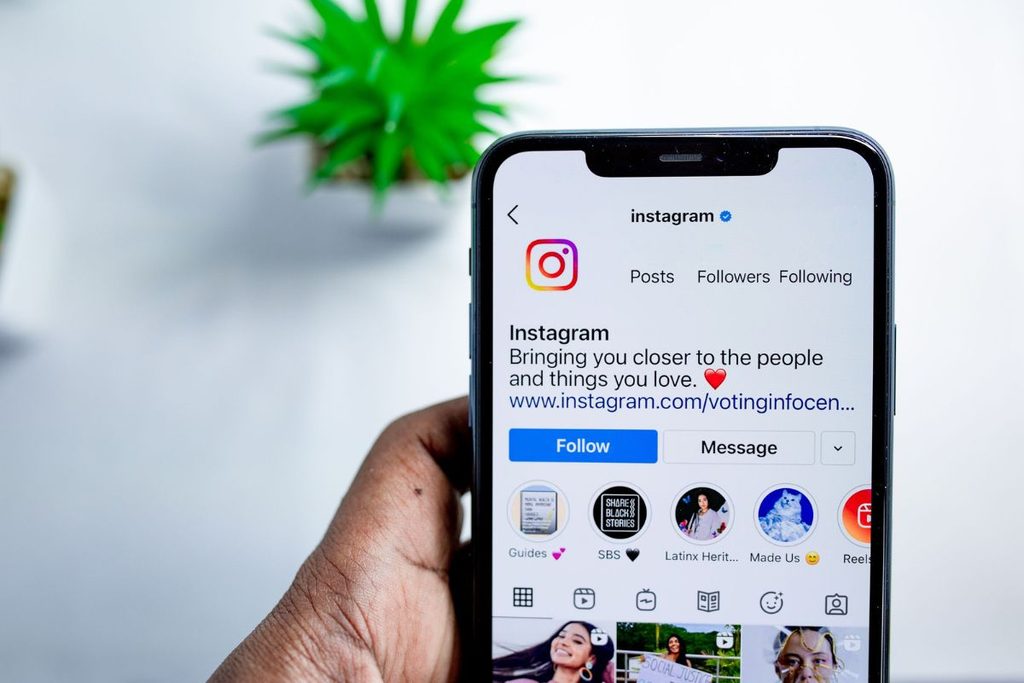
Most people don’t study an Instagram profile carefully. They skim it, glance at recent posts, check the bio and move on.
That makes the first few seconds surprisingly important.
The awkward part for a new creator or business owner is that good work can sit on a small account without getting much attention. Some people use advertising to get past that early stage, while others choose to buy Instagram followers to increase the size of a new or growing audience.
Still, a bigger number beside the profile picture can only do so much. A page with thousands of followers and forgettable posts still feels thin. A smaller account can make a better impression if the work is strong and the profile gives people a reason to stay.
A Perfect Instagram Grid Is Overrated
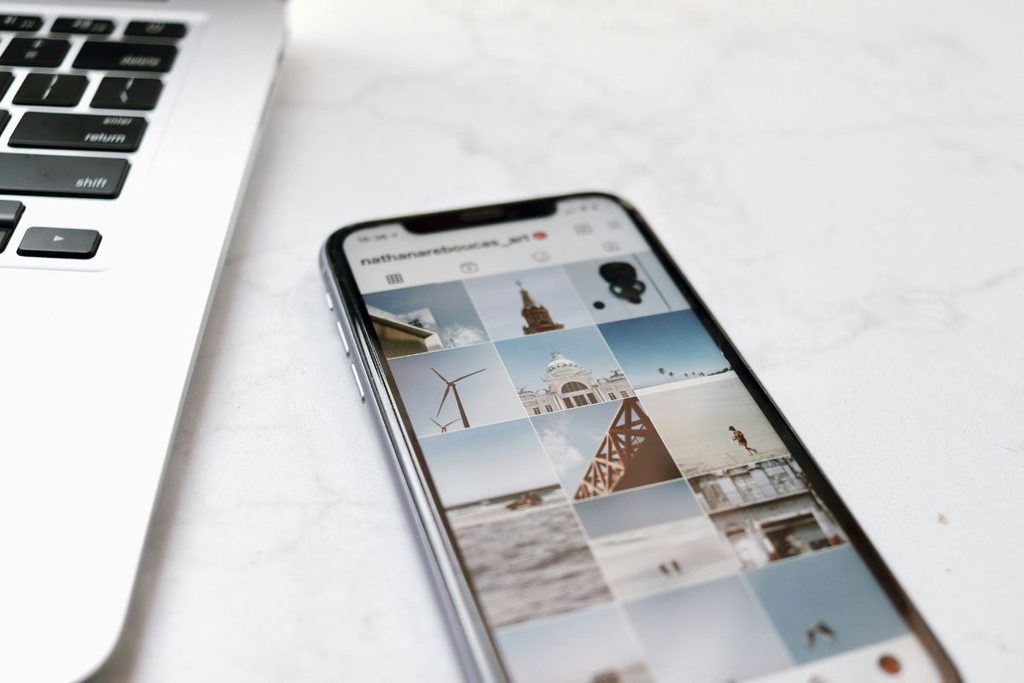
There was a period when personal branding advice seemed obsessed with matching presets, planned grids and making every photo look as though it belonged in the same catalogue.
That approach can look nice, but it can also become dull.
People are often easier to remember because of their taste. A travel creator might have a weakness for strange roadside attractions, while a stylist may keep bringing vintage sportswear into polished outfits. Those details give someone an identity that another beige Instagram template never will.
There should be enough consistency for the account to feel like it belongs to the same person. It doesn’t need to look like every post was approved by a brand manager.
Make It Obvious What You Actually Do
One common problem with lifestyle accounts is that the owner spends so much time trying to look interesting that they forget to explain what they offer.
You can scroll through a beautiful photography account and have no idea whether the photographer takes bookings. A stylist might have great outfit posts without mentioning that they work with private clients.
A clear bio helps. So does showing recent work and mentioning the kind of projects you actually take on.
None of this needs clever branding language. “London-based food photographer, available for restaurant and editorial work” tells a potential client far more than a vague line about storytelling and creativity.
Your Personality Is Part of the Service
Lifestyle work can be unusually personal.
Someone hiring a wedding photographer may spend most of a day with that person. A client paying for regular sessions with a personal trainer will see them every week. In situations like these, technical ability matters, but people also want some idea of who they are dealing with.
A photographer who comes across as relaxed and funny will attract different clients from someone whose style feels very formal. Neither approach is wrong. Problems usually start when someone tries to copy whatever personality appears to be working for somebody else.
There is also no requirement to put your entire private life online. You can show humour, opinions and personality while keeping clear boundaries.
Followers Are More Useful When They Lead Somewhere
Social media advice has a habit of treating audience growth as the finish line. For most people in lifestyle industries, it makes more sense to see it as a starting point.
A creator who becomes known for styling second-hand clothes could eventually attract paid styling work or collaborations with vintage retailers. The Instagram account helped people find them, but the interesting part happened afterwards.
The same applies to small businesses. A restaurant owner may become known locally because of the food they post and the personality behind the account. That recognition can make a new opening or event much easier to promote.
This is why chasing the largest possible audience can be a waste of time. A smaller group of people who genuinely care about your work can be far more useful.
Your Reputation Starts Once Someone Works With You
A polished profile can get someone’s attention. Then real life takes over.
Miss deadlines regularly and people remember. Make every collaboration difficult and they remember that too. Someone who is pleasant to work with, on the other hand, often gets recommended without having to ask.
Repeat clients are a good example. If a brand hires the same photographer again, or a customer keeps returning to the same stylist, there is a reason behind it. The Instagram account may have made the introduction, but the actual experience gave them a reason to return.
That reputation also travels. Lifestyle industries can be surprisingly small once people start working in the same cities and circles.
Leave Some Room to Change

A personal brand can become restrictive if every decision has to fit an identity created years earlier. People get bored, interests move on and careers rarely follow the exact route someone imagined when they opened an Instagram account.
A travel creator might start doing more photography work. A fitness professional may eventually care more about coaching than posting workouts. There is no reason the brand cannot move with them.
The useful part is having enough of an identity that people remember your name without becoming trapped by it.
Personal branding works best when it feels like an honest record of what someone does and how they approach their work. For anyone building a career in the lifestyle industry, that is far more useful than trying to look perfectly “on brand” all the time.
Images courtesy of unsplash.com, pexels.com and Freepix.com