Scent marketing is a burgeoning trend in the world of business and marketing. It harnesses the power of scent to create memorable and immersive brand experiences.
In this article, we will explore how scent marketing works and its impact on consumers and businesses.
1. The Science of Scent Perception

Before diving into scent marketing, it’s essential to understand how humans perceive and react to scents. The olfactory system, or sense of smell, is deeply connected to memory and emotion. When we encounter a particular scent, it can trigger powerful feelings and memories. Scent marketing leverages this connection to influence consumer behaviour and emotions.
2. Scent Selection and Creation

Scent marketing begins with the careful selection or creation of a signature scent. This scent should align with the brand’s identity, values, and target audience. It’s essential to choose a fragrance that resonates with the brand’s image and evokes the desired emotional response in customers.
3. Diffusion Methods
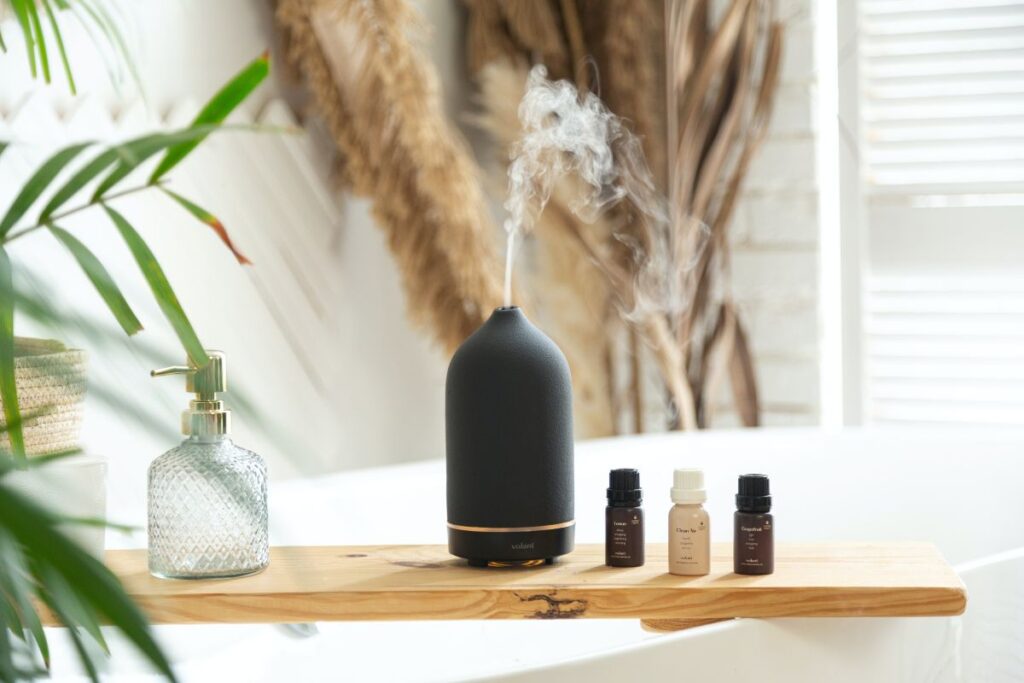
Once the scent is chosen, businesses deploy various diffusion methods to disperse it in their physical spaces. Common diffusion methods include:
- Aerosol sprays: These automated systems release bursts of fragrance at regular intervals.
- Scented candles or diffusers: These are manually placed around the space and emit a constant, subtle fragrance.
- HVAC systems: Scent can be added to heating, ventilation, and air conditioning systems to distribute it evenly throughout a building.
- Scented marketing materials: Fragranced marketing materials, like brochures or product packaging, can introduce customers to the scent before they even enter the space.
4. Creating Branded Environments
Scent marketing aims to create a cohesive and immersive brand environment. When customers encounter a carefully selected scent, they connect it to the brand and the emotions it represents. Over time, the scent becomes a distinctive part of the brand’s identity, enhancing brand recognition and loyalty.
5. Impact on Consumer Behaviour
Scent marketing can influence consumer behaviour in several ways:
- Enhancing Customer Experience: A pleasant and fitting scent can enhance the overall customer experience, making the environment more inviting and enjoyable.
- Increasing Dwell Time: Customers tend to stay longer in scented spaces, which can lead to increased sales or engagement.
- Triggering Emotional Responses: Specific scents can evoke emotions that align with the brand’s message. For example, a calming lavender scent can be used in a spa, while a warm, comforting aroma may be employed in a bakery.
- Enhancing Brand Recall: The connection between scent and memory leads to better brand recall. Customers are more likely to remember a brand with a unique and pleasing scent.
Images courtesy of unsplash.com and pexels.com