The need for skilled drone pilots is growing fast, opening up exciting opportunities in all kinds of industries. Whether you’re shooting stunning aerial videos for real estate or inspecting industrial sites, being a professional drone pilot can be a rewarding and well-paying career.
Many pilots love the mix of creative work and the satisfaction of knowing their skills make a real difference, from boosting marketing efforts to helping maintain important structures. If you’re ready to put in the work, you can turn a love of flying and tech into a great career. In this article, we will go over several steps to take to become a drone pilot.
1 – Research legal requirements
If you want to be a professional drone pilot like in https://www.part107.com/drone_pilots, getting the right certifications is a must. Most countries have rules to keep everyone safe, and in the U.S., you’ll need a Remote Pilot Certificate from the FAA. To get it, you’ll have to pass a test that covers things like airspace rules, weather, and how drones work. You’ll also need to register your drone and follow laws about where and how you can fly, like staying out of restricted airspace and respecting people’s privacy.


If studying for the certification feels like a lot, don’t worry. Programs like the ones from Coptrz can help you prepare. They’ll teach you everything you need to know to pass the test and operate your drone safely.
Getting certified shows that you’re serious about being a pro. It also helps build trust with clients and sets you up for success every time you fly.
2 – Choose the right equipment
Picking the right drone is an important part of starting your career as a professional pilot. The kind of drone you need depends on what you’ll be using it for. If you’re shooting videos or photos, look for one with a good camera and smooth stabilization. For jobs like mapping or inspections, you might need something with special sensors or longer flight times.
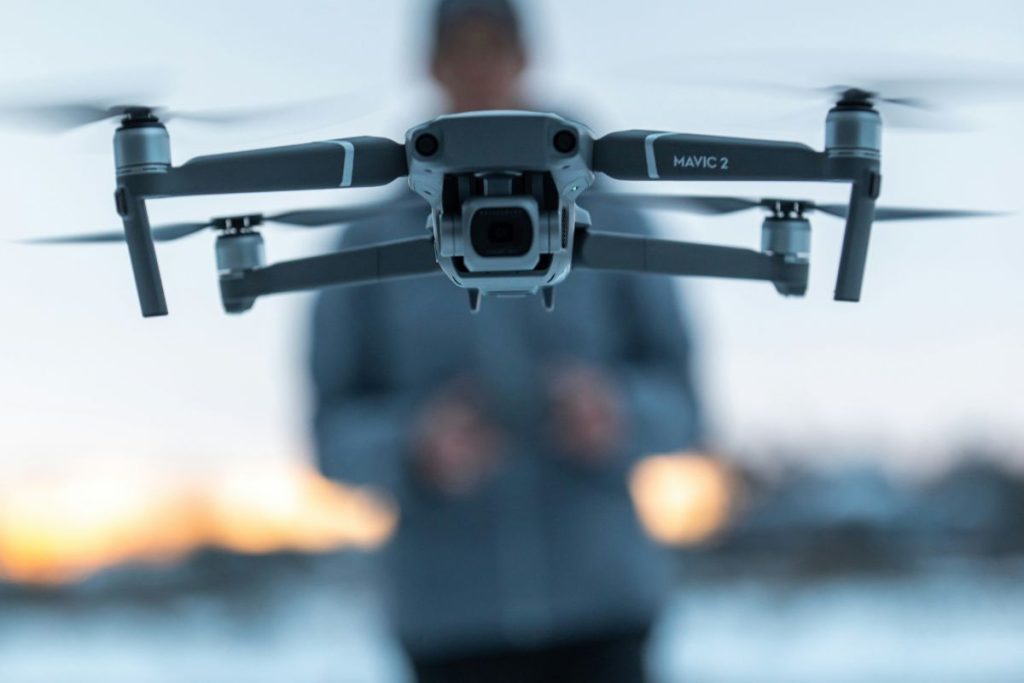
If you’re new to flying, there are plenty of drones that are simple to use but still deliver great results. As you get more experience, you can move up to advanced models with better cameras, longer battery life, and extras like obstacle avoidance. For bigger projects, professional drones built for specific tasks might be worth considering.
3 – Build a strong portfolio
If you want to attract clients, a great portfolio is a must. Start by showing off your best work with high-quality photos and videos. These could be beautiful shots of a property, a smooth fly-through video, or footage from an inspection job. If you’ve already worked on projects it shows you’ve got real experience and can deliver results.
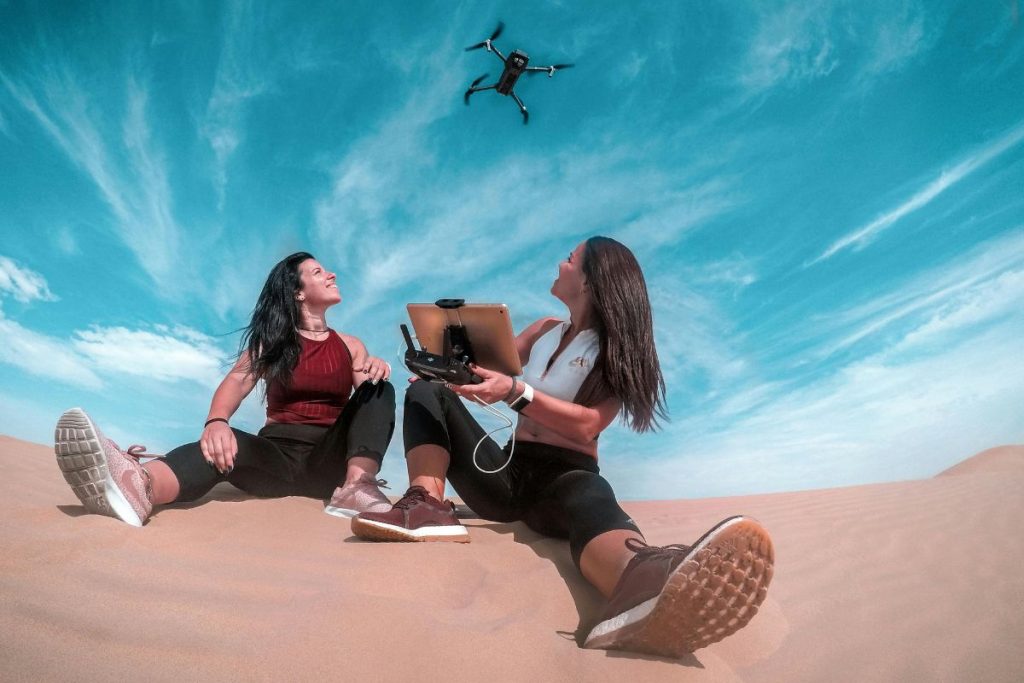

Make sure your portfolio has variety. Different industries look for different things. Real estate clients might love impressive property shots, while construction companies might care more about detailed site surveys. Showing you can handle a range of jobs makes it easier to connect with more clients.
Images courtesy of unsplash.com and pexels.com