

Many people in the UK are feeling pressure on their finances. Although inflation has fallen from the highs of recent years, the Consumer Prices Index (CPI) still stood at 3.1% in August 2026, while energy price hikes are on the horizon.
These bigger picture issues fluctuate and are out of most people’s control. But there are smaller, practical financial actions which can build self-assurance and put you back in the driver’s seat.
Budgeting
Without a budget, you might feel like you don’t know where your money goes each month.
Start by reviewing three months of bank statements and grouping your spending into categories such as housing, utilities, transport, food and leisure. Next, compare them against your income and check for areas where you regularly overspend.
From here, you can create a budget that reflects how you really live and builds trust in your everyday decisions.
Building an emergency fund

Without savings, unexpected costs like a broken boiler, car repair or sudden loss of income can create stress and force you into borrowing. The FCA reports that one in ten UK adults are in this position.
Saving even £25 or £50 each month may not seem significant, but regular contributions build momentum over time. And keeping this money in an easy-access savings account separates it from your everyday spending.
Set up an automatic transfer for the day after you receive your income to remove the need to make a decision each month.
Setting savings goals

A clear goal provides motivation to save and helps you measure progress. Think about an objective that matters to you, like a holiday or house deposit. With an ideal timeframe in mind, you can calculate how much you need to save each month.
For £1,200 over a year, for example, a monthly target of £100 feels more manageable than focusing on the full amount. Every milestone you reach provides evidence that your habits are improving, encouraging you to keep going.
Checking your credit score
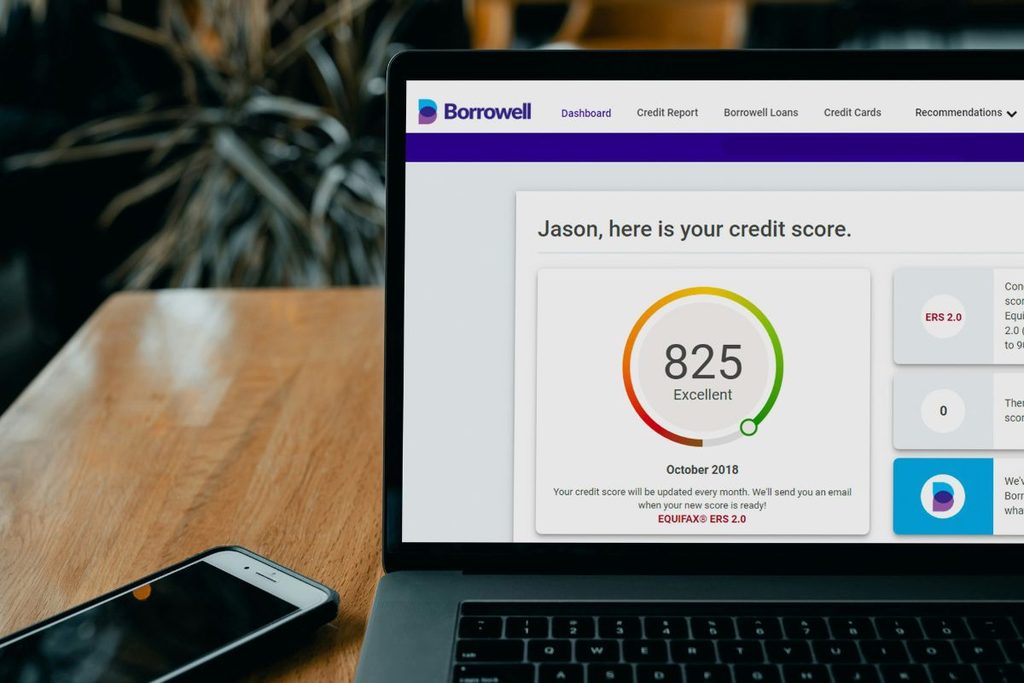
Your credit score influences your ability to access borrowing, and the interest rates lenders offer. Checking it regularly helps you understand how lenders see your financial history and allows you to spot errors that could affect future applications.
Making payments on time and keeping credit utilisation low will improve your score. For people with a limited credit history, tools like a credit builder card, when used carefully and repaid in full each month, can help demonstrate responsible borrowing.
Getting debt advice

If debt worries keep you awake at night, you’re not alone. A qualified debt adviser can help you understand your situation and explore solutions that fit your circumstances.
Organisations such as StepChange offer free support. As soon as you realise you may be struggling, taking that first step can reduce uncertainty and give you greater optimism about the future.
Financial confidence doesn’t appear overnight but grows through consistent action and visible progress. Even one or more of these small improvements can help you feel more secure and in control of your money over time.
Images courtesy of unsplash.com and pexels.com










1 thought on “Small Steps That Can Build Your Financial Confidence”
Comments are closed.