A business normally begins with an idea. A product that the entrepreneur believes people will purchase and a service that the entrepreneur knows can be delivered better.
A solution to a problem spotted in the market could be the starting point. Turning that idea into a business requires more than choosing a name and registering a company.
The entrepreneur must think about the business structure, the name, the legal identity, brand protection, finances and the practical steps that will get the business ready to operate. The good news is that you do not have to figure everything out.

BusinAssist helps UK businesses manage their filings and compliance requirements, making it easier for directors to stay up to date. However,
Here is a practical guide, to turning a business idea into a UK brand.
Step 1: Start With the Business Idea
Before worrying about logos, websites or company registration make sure the business idea is solid.
Ask yourself:
- What problem does the business idea solve?
- Who is likely to pay for the product or service the business idea offers?
- What makes the business idea different?
- Are people already searching for something that the business can provide?
- How will the business make money?

You do not need a 50‑page business plan to answer these questions.
Even a simple outline can reveal whether you have a business opportunity or merely a business idea that sounds good on paper.
A good exercise is to describe your business in one sentence. If you can’t clearly say what you sell and who you sell it to. You might need to improve the idea before getting started.
Step 2: Choose the Right Business Structure
After the business idea begins to look like it can make money, think about how you want to run the business. In the UK common structures include traders and limited companies. A limited company is a legal entity from its owners, which can provide a different level of legal and financial separation from operating as an individual.
However forming a company also brings responsibilities, including keeping company information up to date and meeting ongoing filing and compliance requirements. The right structure depends on the nature of the business, your circumstances and your plans for growth.
If you are planning to build something that may eventually have employees, investors, partners or significant commercial activities. It is worth looking at the structure before picking one just because it’s quick to set up.
Step 3: Choose a Business Name Carefully

Choosing a name can be one of the exciting parts of starting a business. It can also be one of the places where you can make a mistake. A company name being available at Companies House does not automatically mean that you have rights to use that name as a brand.
Before settling on a name consider:
- Companies House name availability
- Existing businesses using similar names
- Trade marks
- Relevant domain names
- Social media handles
- Whether the name could cause confusion with an existing brand
This is where thinking beyond company registration becomes important.
A name may be available for incorporation but still create branding or trade mark problems later.
Step 4: Register the Company
If you decide that a limited company is the right structure, the next step is incorporation with Companies House.
You will generally need information such as:
- Proposed company name
- Registered office address
- Director details
- Shareholder information
- Share structure
- People with significant control (PSC)
- Articles of association
Once incorporated, the company receives its Companies House registration details and becomes a legal entity.
But incorporation should be viewed as the beginning of the business journey, not the finish line.
There are still financial, tax, branding and compliance matters to deal with.
Step 5: Build the Brand Around the Business
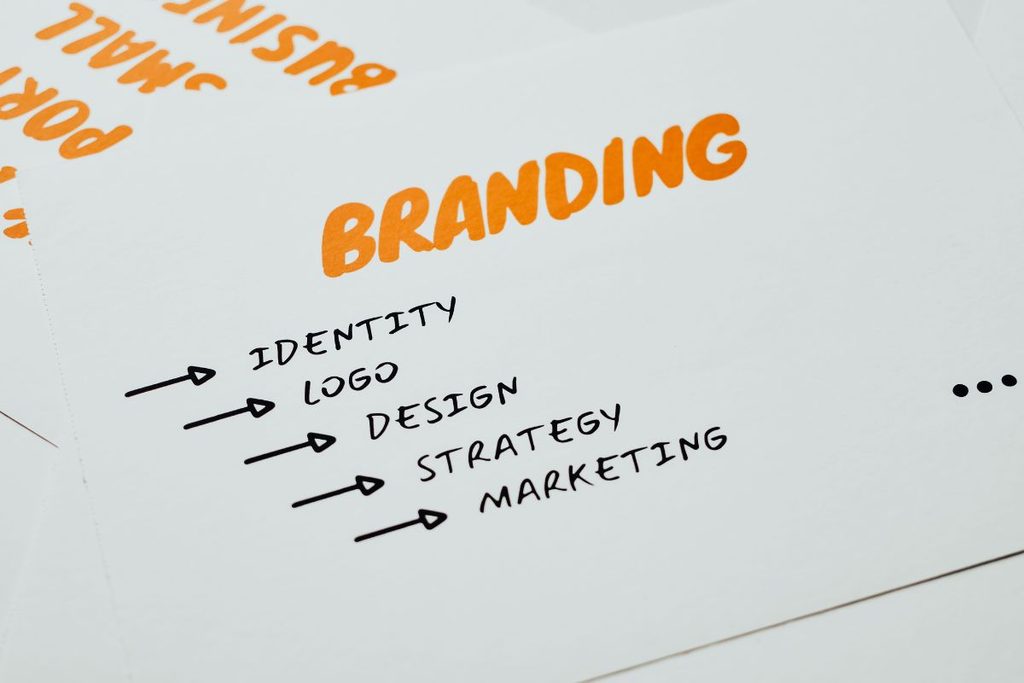
This is where a company starts becoming more than a registered name.
Your brand may include:
- Business name
- Logo
- Colours and visual identity
- Website
- Packaging
- Marketing materials
- Social media presence
- Customer experience
Try to make these elements work together by treating each one on its own. For example if your business is positioned as a B2B service then the tone of your website, the tone of your emails and your visual identity should all support that positioning.
A strong brand is not a good-looking logo. It is the feeling customers get after every interaction with your business. It’s what they remember, what they trust and what makes them choose you over others. Every detail matters. Every word, every color, every response—these all shape the image of your brand. So don’t think of them as parts. Think of them as one experience.
Step 6: Think About Trade Mark Protection
This is one step that new businesses often leave until much later. A company registration protects the company’s legal identity in certain respects, but it does not give you the same protection as registering a trade mark for your brand. Your company might have a business name, a website and social media profiles.
You might still face problems if another person or company already has a trademark for a brand. If you are planning to spend a lot of money on a name, a logo or a product brand it is wise to consider trademark protection.
Don’t wait until your business has built a reputation by doing so could lead to legal trouble, down the line. A trade mark can become an important business asset as the company grows.
Step 7: Set Up the Financial Side
Once the business is ready to operate, make sure its financial arrangements are properly organised.
Depending on the business, this could include:
- Opening a business bank account
- Setting up accounting records
- Creating an invoicing process
- Keeping receipts and expense records
- Understanding tax obligations
- Setting aside money for tax
- Choosing accounting software
It is much easier to keep records organised from the beginning than to reconstruct months of transactions later. Separating business and personal finances is particularly important for a company.
Step 8: Understand Your Ongoing Compliance Duties
Starting a company is one part of running one. A UK limited company may have ongoing responsibilities involving Companies House and HMRC.
These can include filing accounts, submitting confirmation statements, dealing with tax returns and keeping company information up to date.
There are also changes happening around Companies House identity checks and the job that Authorised Corporate Service Providers (ACSPs) do.
The main point is easy to understand: don’t think about compliance when a deadline comes up. Creating a compliance schedule in the first year can make managing the company much easier.
Step 9: Make the Business a Known Brand

Once the legal and paperwork basics are set the attention can move to growing the business.
This might include:
- Launching your website
- Creating useful content
- Building social media channels
- Collecting customer reviews
- Developing partnerships
- Improving your customer experience
- Investing in marketing
- Expanding your products or services
At this stage, consistency matters. A customer should ideally see the business identity whether the customer finds you through Google, social media, the website, an email or a physical product. That consistency is what gradually turns a company into a brand.
Mistakes New UK Businesses Make
The journey from idea, to brand can be exciting yet the journey can also be marred by a few common mistakes that create unnecessary problems.
1. Choosing a name without checking trade marks: I see that Companies House availability is one part of the name-checking process.
2. Spending heavily on branding early: I think a professional identity is valuable but it is smart to learn about your market before spending a lot on designs, packaging and advertising.
3. Mixing business finances: I notice that keeping transactions organised from the start makes accounting much easier.
4. Treating incorporation, as the end of the process: I realise that registering a company creates an entity but running it brings ongoing responsibilities.
5. Ignoring compliance until a deadline arrives: I understand that missed filings and outdated company information can create administrative problems.
6. Building a brand without protecting it: If you are investing time and money into a name, product or identity, consider whether trade mark protection should form part of your strategy.
7. Trying to do everything at once :A business does not need to look like a major company on day one. Start with foundations. Then. Improve as the business moves forward.
Final Thoughts
Turning a business idea into a recognised UK brand is a journey, not a single registration. Start with the idea. Test whether it solves a real problem, choose an appropriate business structure, check your proposed name carefully and establish the company properly.
From there, build the financial, compliance and branding foundations that allow the business to grow. And remember that your company name is not necessarily the same thing as your brand protection. If you plan to invest in building a name in the market, trade mark considerations should form part of the journey too.
Whether you are just starting out with an idea. Already getting ready to launch making sure the basics are correct from the beginning can save a lot of time and avoid problems down the road.
BusinAssist helps UK businesses with company formation, company administration, confirmation statement filing, Trademark Registration and other related services helping entrepreneurs take care of the tasks involved in creating and running their businesses.
Images courtesy of unsplash.com and pexels.com