If you’re looking at long term financial commitments, choosing between Personal Contract Purchase (PCP) and car leasing can be confusing. Both options give drivers the opportunity to take the wheel of a new car without having to pay the upfront cost of outright ownership.
But each has their own advantages and disadvantages regarding ownership, monthly payments, and flexibility. Knowing these differences between PCP and car leasing can help you choose the path that is more appropriate for you and your financial goals.
What Is PCP?
Personal Contract Purchase (PCP) is a way to pay for and eventually own a car, but with a bit more flexibility. Unlike leasing, with PCP, you are not simply renting the vehicle. In fact, you make monthly payments towards the depreciation of the car’s value during the term of the contract, not the car’s full cost. If you want to keep the car after your term, you can either pay a final balloon payment and buy the car outright, or return the vehicle and walk away.
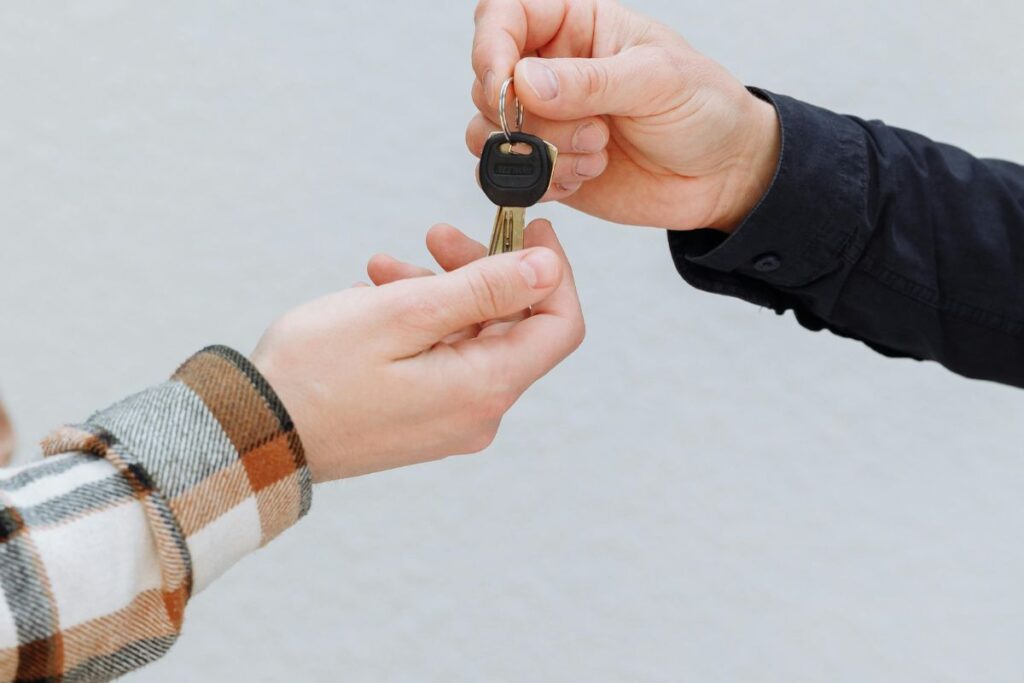
Car Leasing Explained
In contrast, leasing a vehicle involves renting a car for a set period of time, usually two to four years, but without the option of owning the car at the end of the lease. Like PCP, monthly payments cover the cost of the car’s depreciation, but once the contract ends you return the car and you don’t have to pay anything else. PCP can be more expensive than leasing because you’re working towards owning the vehicle.
Ownership: PCP vs. Leasing
The Ownership Option with PCP
The ability to own is one of the biggest differences between PCP and leasing. You can opt at the end of a PCP contract to keep the car by paying off the remaining balance. PCP is attractive for those who want to own their vehicle, but don’t want to commit straight away. PCP provides that pathway towards being able to own a car sometime down the line.

No Ownership with Leasing
On the other hand, leasing provides no such option. After the lease term expires, the car must be returned. That means if you decide to keep leasing over a period of time, you’re stuck in a cycle of continuously renting vehicles. This can be nice for those who want to drive new cars every few years, but it’s important to remember that you’re never building any equity in the vehicle.
Monthly Costs: A Key Consideration
Monthly Payments on PCP
If you’re looking at PCP, you’ll normally pay more a month than if you were to lease, but if you’re looking at a longer contract and a decent deposit, these payments can be manageable. PCP payments also depend on the car’s guaranteed future value (GFV), cars that depreciate more slowly will tend to have cheaper payments. But keep in mind that PCP contracts often include mileage limits and wear and tear conditions that can affect your costs if exceeded.
Leasing’s Lower Payments
Leasing often offers lower monthly payments than PCP. Leasing is more akin to paying rent because you’re just responsible for depreciation. There is no option to buy in the end, therefore your payments are pretty cheap. However, leasing agreements, like PCP, have mileage restrictions and fines for excessive wear.
Flexibility: Which Option Offers More?

PCP Offers Greater Flexibility
Compare this to PCP, which is fairly flexible. At the end of the period, you have the option to buy the vehicle or simply return it without any future obligations. You can also trade in your car for a new one if you want to change your car before your term is up. PCP is flexible as it allows you to keep your options open or, if you decide you do want to own the car, you can do so at a later date.
Leasing is Simple but Inflexible
On the other hand, leasing is a more straight forward but less flexible option. For those who don’t want the hassle of car ownership or a potential sale, the fact that you simply return the car at the end of your lease term may appeal. But for those who want to change their driving habits or might one day want to own their car, leasing doesn’t give you much freedom.
Long-Term Financial Implications
There are significant differences in the financial consequences of both options over the long term. If you think you want to keep the car for a long time, PCP could be a good option, as you might have higher monthly costs, but you can potentially own the car outright. It’s more affordable month to month, but in the long term it can get quite expensive if you’re constantly leasing vehicles and don’t ever own one.
Conclusion: Which is the Better Long-Term Option?
Ultimately, it’s a decision between PCP and car leasing, and it’s based on your long-term plans. PCP may be a better option if you want the flexibility and possibility of ownership. However, if you don’t mind the cycle of leasing without owning and you’re looking for lower monthly payments, leasing may be the better choice for you. Ultimately, though, the best choice is going to depend on your finances, driving habits and future goals.
Images courtesy of unsplash.com and pexels.com