As the nights draw in and the festive season approaches, kitchens across Yorkshire start filling with the smell of spices, roasting and slow-cooked comfort food. But in many parts of the world, winter cooking is about warmth and also luck.
From grapes eaten at the stroke of midnight to coins hidden in cakes, cultures everywhere have their own dishes believed to bring prosperity, health, and happiness in the year ahead. Here are some of our favourite lucky food traditions to try at home this winter, with a few ideas for giving them a Yorkshire twist.
Spain: Twelve Grapes at Midnight
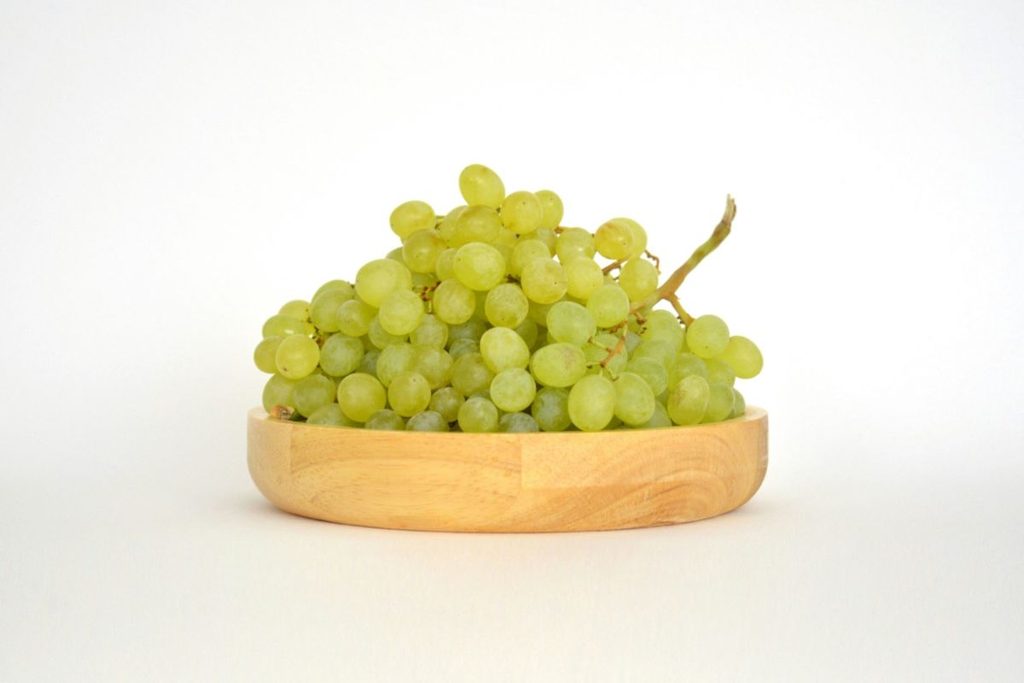
In Spain, the New Year arrives with a mouthful in one of their food traditions. As the clock strikes twelve, revellers eat one grape for each chime, aiming to finish all twelve before the last bell. Each grape represents good luck for one month of the year ahead.
Try it at home: Pick small, seedless grapes (trust us on this) and have them ready in little bowls for each guest. It’s a brilliant icebreaker for a New Year’s Eve party, and the giggling that follows is half the fun.
Italy: Lentils for Prosperity
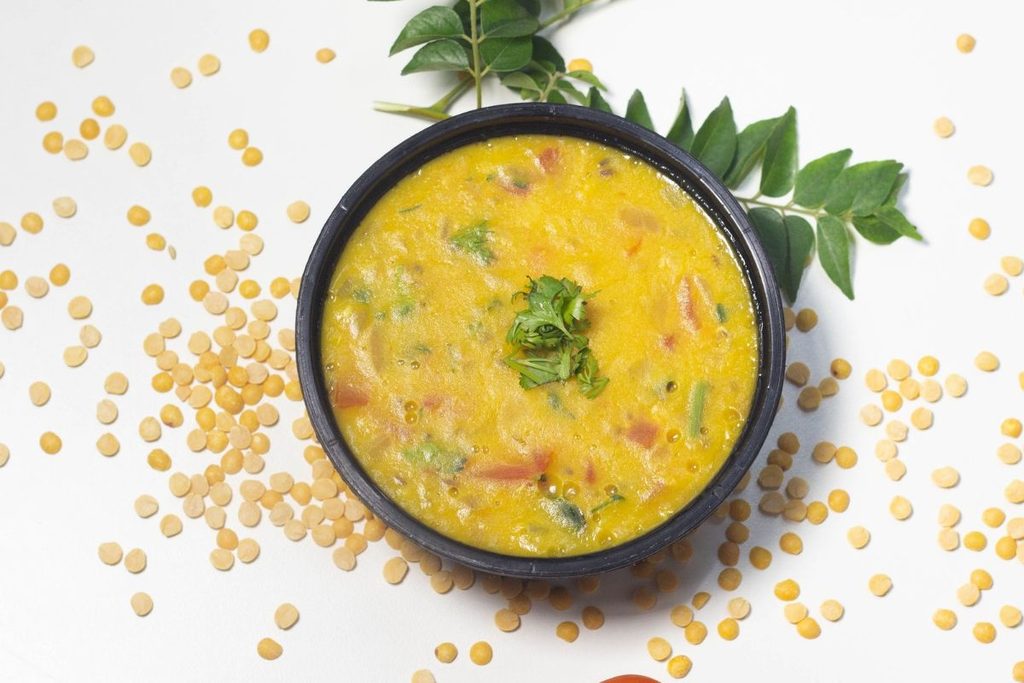
Italians traditionally ring in the New Year with lentils, often served with cotechino or zampone, a rich pork sausage as part of their food traditions. The small, round lentils are said to resemble coins, and eating plenty of them promises a prosperous year.
Try it at home: A warming lentil stew with a good local sausage makes a perfect New Year’s Day lunch, especially after a bracing walk in the Dales.
Japan: Long Noodles for a Long Life
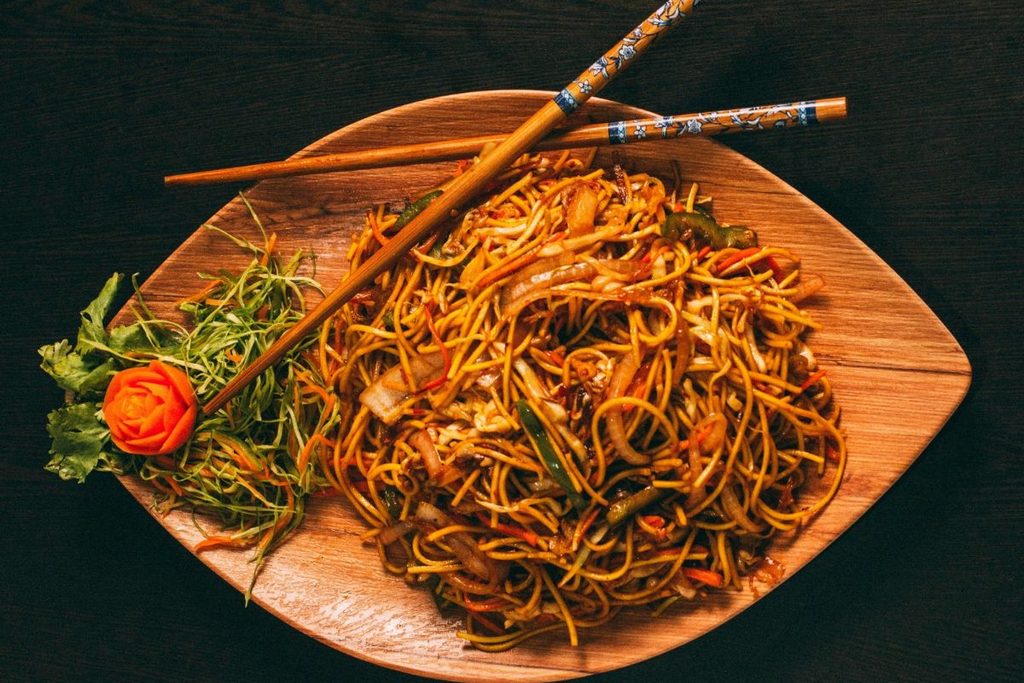
On New Year’s Eve in Japan, many families eat toshikoshi soba, buckwheat noodles in a light broth. The long noodles symbolise a long life, and because soba is easy to bite through, they’re also said to represent letting go of the hardships of the past year.
Try it at home: Soba noodles are easy to find in larger supermarkets. Serve them in a simple dashi broth topped with spring onions. It’s light and restorative after a season of heavy dinners.
China: Dumplings, Fish and Long Noodles
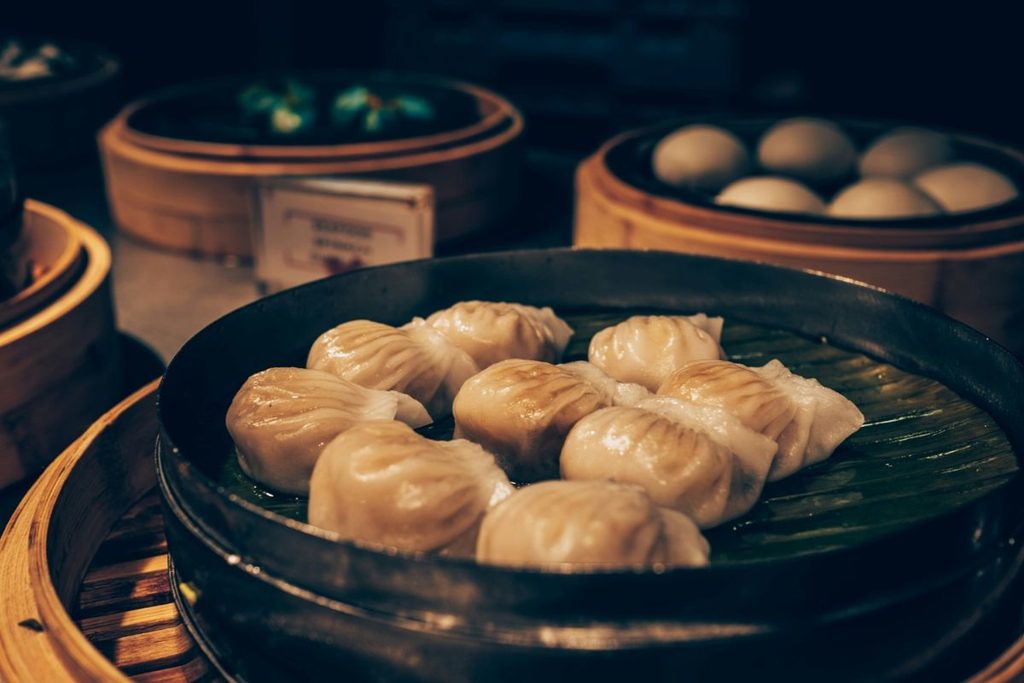
Lunar New Year, which usually falls in late January or February, is rich with lucky foods. Dumplings are often shaped like old gold and silver ingots, symbolising wealth. A whole fish is served because the word for fish sounds like the word for surplus, a wish for abundance in the year ahead. Long noodles, like soba in Japan, represent longevity, so it’s considered bad luck to cut them.
Try it at home: Making dumplings together is a lovely activity for families. Set up a folding station at the kitchen table and see who can create the neatest pleats.
Greece: The Coin in the Cake
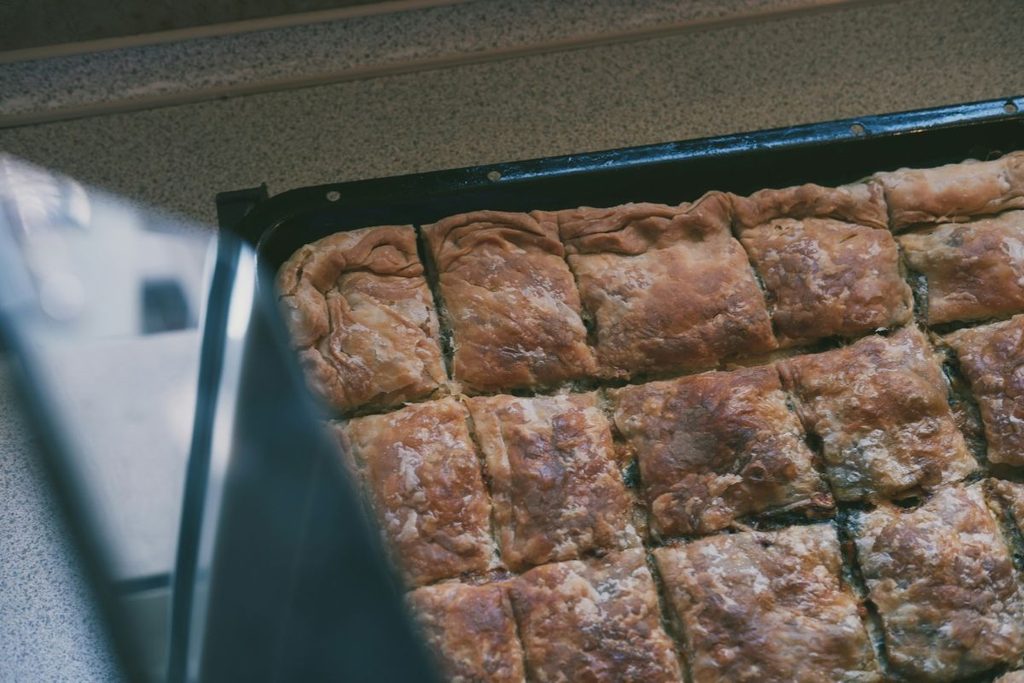
In Greece, New Year’s Day brings the vasilopita, a cake or sweet bread with a coin baked inside. The cake is cut in a set order, often with slices for the household and even for the home itself, and whoever finds the coin is said to enjoy good luck all year. It’s a tradition that turns dessert into the family’s very own lottery draw.
Try it at home: Wrap a clean coin in foil and bake it into an orange-scented sponge or brioche. Just warn everyone to chew carefully.
The American South: Black-Eyed Peas and Greens
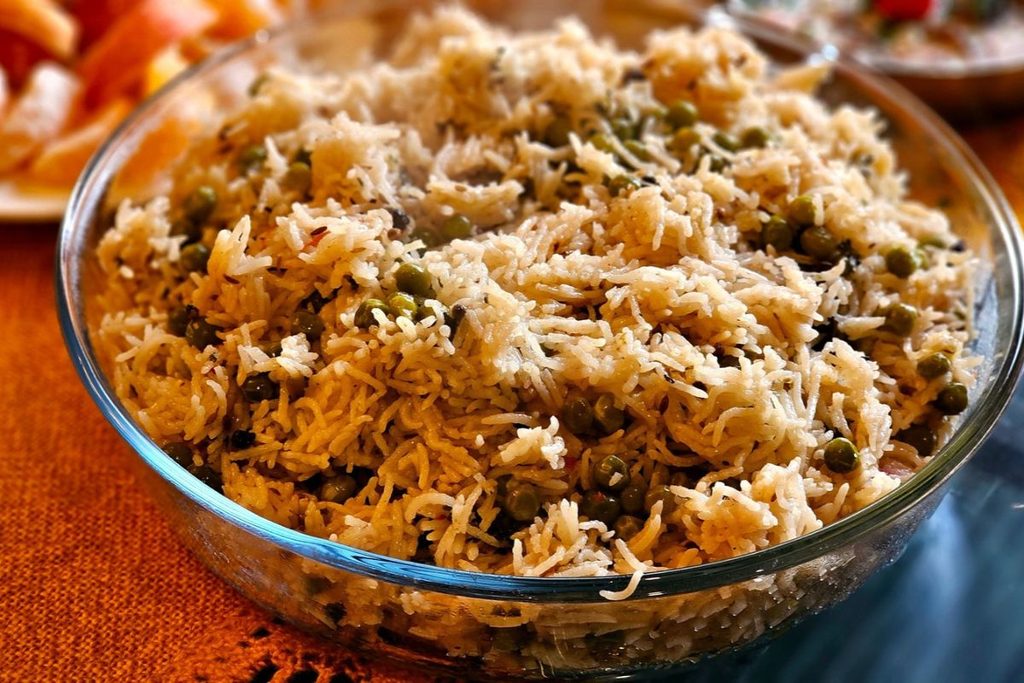
In the southern United States, New Year’s Day food traditions calls for Hoppin’ John, a dish of black-eyed peas and rice, served alongside collard greens and cornbread. The peas represent coins, the greens represent paper money, and the golden cornbread stands for gold. Put together, it’s a plate full of wishes for a wealthy year.
Try it at home: Swap collards for kale or spring greens from a local farm shop. The result is hearty, budget-friendly and surprisingly good with a dollop of chutney.
Closer to Home: Stir-Up Sunday and the Christmas Pudding
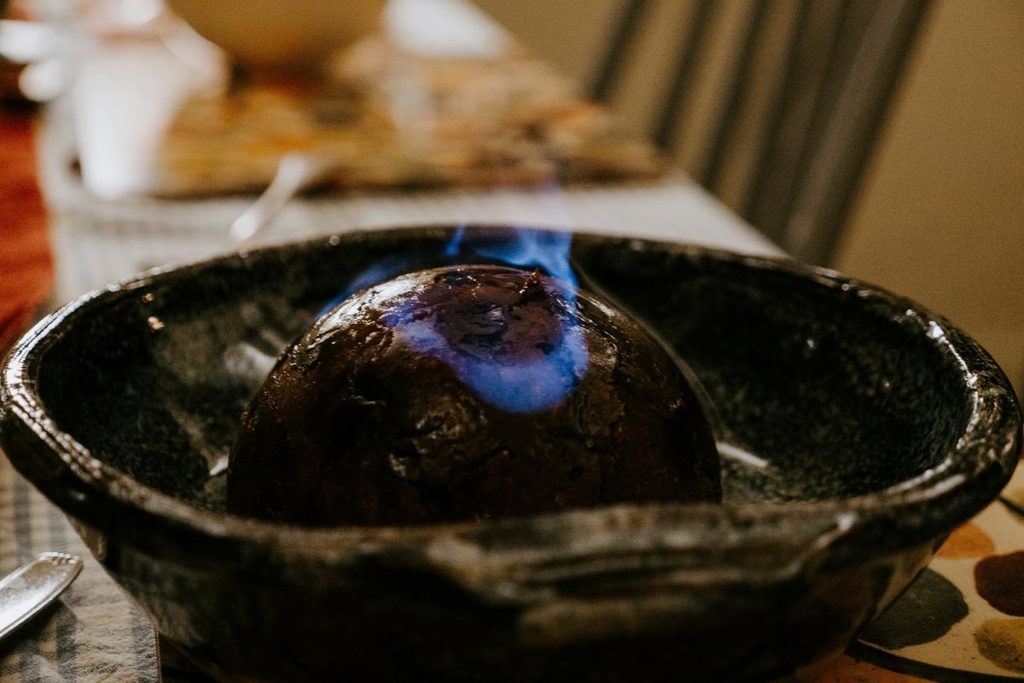
Britain has its own lucky food tradition, and it starts well before Christmas. On Stir-Up Sunday, the last Sunday before Advent, families traditionally gather to make the Christmas pudding. Everyone takes a turn stirring the mixture from east to west, making a wish along the way. This year, there’s an extra reason to make a wish on 22 November.
A silver sixpence or coin was often stirred in too, bringing wealth to whoever found it on Christmas Day. It’s a tradition many Yorkshire families still hold dear, and one that’s well worth reviving if it has slipped out of your household. Some families now keep a special “lucky coin” just for the pudding, passed down each year.
Bringing a Little Luck to Your Table
Whether or not you believe a plate of lentils can change your fortunes, these traditions share something wonderful. They gather people around a table, mark the turning of the year and give everyone something to hope for. They’re also a delicious excuse to try something new.
So this winter, why not borrow a lucky tradition or two? Line up the grapes for midnight, bake a coin into your New Year cake, or get the whole family stirring the pudding. You might not win your fortune, but you’ll almost certainly make a few happy memories.
Images courtesy of unsplash.com and pexels.com