Once confined to underground circles and countercultural niches, cannabis culture has quietly re-emerged – not as rebellion, but as refinement. Today, it touches nearly every facet of contemporary life: fashion, wellness, interiors, and even the way people gather, speak, and design their homes.
As legislation shifts and stigma fades, cannabis is no longer simply a botanical. It is a lifestyle cue, an aesthetic, and increasingly, a philosophy – one that prizes calm, sustainability, and considered living.
From Prohibition to Pop Culture
Over the past decade, cannabis has made a decisive shift from fringe to familiar. According to the UNODC World Drug Report 2024, it remains the most widely used drug worldwide, with an estimated 228 million users. But the numbers tell only part of the story. Its evolving role in mainstream culture reflects a broader softening of attitudes – particularly in countries like Canada, several European nations, and across two dozen U.S. states – where cannabis has become less of a legal battleground and more of a lifestyle marker.

This cultural realignment is evident in how cannabis is depicted. Publications like Vogue, GQ, and Architectural Digest regularly explore cannabis-related themes, while entrepreneurs from Jay-Z to Martha Stewart have launched ventures around the plant. The message is clear: cannabis is no longer subversive – it’s sophisticated.
Fashion’s Green Turn
Fashion, always quick to interpret cultural shifts, has taken up the cannabis aesthetic with surprising ease. Labels such as Pleasures, Vetements, and Jeremy Scott’s eponymous brand have incorporated cannabis iconography into collections, walking the line between playful provocation and design fluency.
More subtly, luxury houses are weaving hemp into their sustainability narratives. Levi’s, for example, introduced a cottonised hemp denim line that offers the durability of hemp with the softness of cotton – a nod to eco-conscious shoppers and the growing appeal of natural materials. In this context, cannabis is less about rebellion than responsibility.
Rituals of Modern Wellness
As wellness routines shift from intensity to intention, cannabis has found its place within rituals designed for restoration. It’s no longer just a substance but part of an experience – one that’s often curated with the same care as skincare or tea.

Even outside of the booming CBD sector, cannabis is informing a new kind of design-forward wellness. Accessories like sculpted grinders, minimalist ashtrays, and ceramic rolling trays borrow from the visual language of high-end home goods. Brands like Houseplant, co-founded by Seth Rogen, exemplify this hybrid approach – treating cannabis not only as a product, but as a design object.
In editorial shoots and social feeds alike, cannabis has become shorthand for ease and modern balance. The plant, even in symbolic form, now signals a slower, softer approach to living.
Interiors with a Botanical Accent
Cannabis is also making a quiet impression on interior design. While full legality is still pending in the UK, a growing number of consumers – especially younger ones – are engaging with home growing as part of a broader return to self-sufficiency. Compact, stylish grow kits have made it easier to experiment indoors, turning cultivation into a form of lifestyle expression.
Seed banks like Herbies Seeds report growing international demand for strains tailored to discreet indoor setups – an indicator of how cannabis is increasingly associated with design-conscious living rather than backroom experimentation.
Even beyond cultivation, cannabis is influencing interior palettes and materials. Earthy greens, raw textures, hemp textiles, and terracotta tones are increasingly prominent – not in a themed or gimmicky way, but as part of a deeper aesthetic current rooted in natural simplicity.
Elevated Entertaining
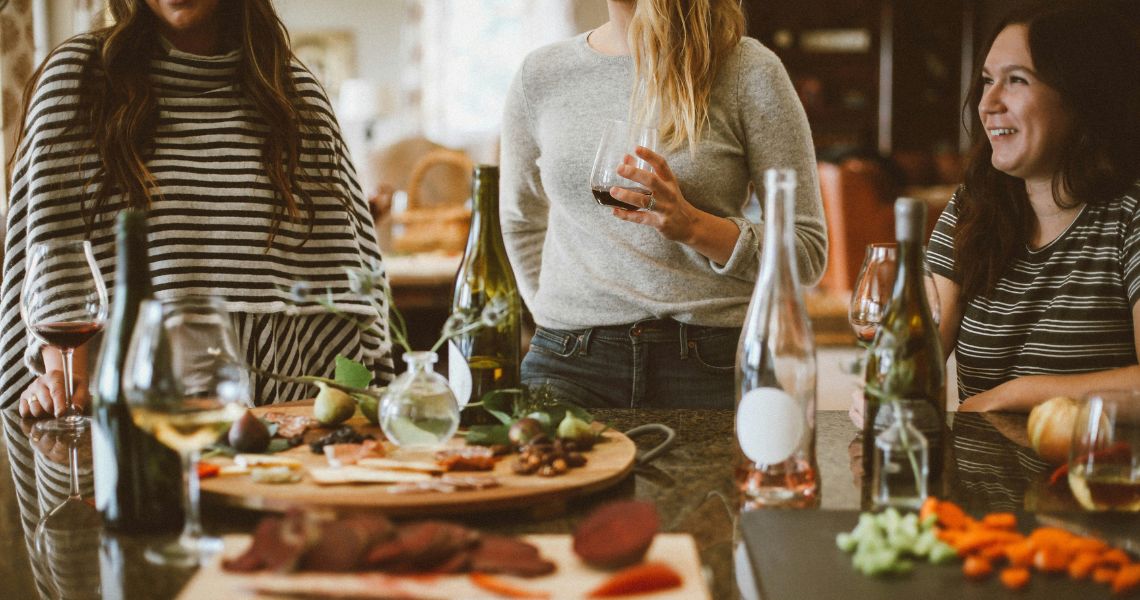
In regions where cannabis is legal, it’s reshaping the culture of entertaining. Cannabis-themed dinners, “high teas,” and sensory pairings have gained traction in cities like Los Angeles, New York, and Barcelona. These events are less about intoxication and more about atmosphere – combining food, scent, and music in a manner akin to a wine tasting or a fragrance salon.
Chefs are particularly drawn to terpenes – the aromatic compounds in cannabis – and how they complement ingredients without involving THC. The result is a new kind of hosting etiquette, where cannabis becomes a thoughtful gesture, offered with the same care as artisanal chocolate or a bottle of natural wine.
While infused food remains restricted in the UK, the idea of cannabis as a social and sensory element is beginning to resonate. It’s no longer out of place in discussions about hospitality, mood-setting, or modern entertaining.
Shifting Language and Cultural Signals

Perhaps most telling is how cannabis has reshaped language and imagery. The term “stoner” is giving way to softer, more nuanced descriptors: elevated, plant-based, relaxed. On social media, “420-friendly” is listed with the same casualness as “vegan” or “pet lover.” In the visual sphere, cannabis is aligned with oat-hued ceramics, houseplants, and incense – a visual language that suggests calm rather than chaos.
What once carried risk now signals intentionality. It’s a subtle but significant change in tone – one that mirrors the cultural repositioning of the plant itself.
A Culture Still Unfolding
Cannabis culture today is far more than consumption – it’s a set of values and aesthetic preferences that resonate across fashion, interiors, food, and wellness. It isn’t entering modern life with spectacle, but through texture, ritual, and meaning.
As legal frameworks evolve and stigma continues to erode, cannabis is likely to deepen its role in shaping lifestyle choices – not only as a product, but as an idea. It represents a future where calm, clarity, and design-forward living are not luxuries but foundations.
The cultural conversation has already begun – and cannabis, once marginalised, is now firmly at the centre of it.
Images courtesy of unsplash.com and pexels.com