Many people use handheld breathalysers to check if it is safe to drive after drinking. These small devices are easy to carry and promise quick results. But how trustworthy are these personal gadgets compared to the ones used by the police?
Police breathalysers are usually much more accurate than handheld models for public use. Studies and tests show that while some personal breathalysers can give a fair estimate, others may over- or underestimate blood alcohol levels.
Knowing the differences in accuracy can help people make better choices and stay safer on the road. By understanding what these devices can and cannot do, readers can make smarter decisions about using them.
Accuracy of Handheld Breathalysers Versus Police Models
The accuracy of handheld breathalysers is often a concern for people who rely on them. Different devices use different technologies, and several factors can change how well they measure blood alcohol content.
Calibration and Maintenance Standards
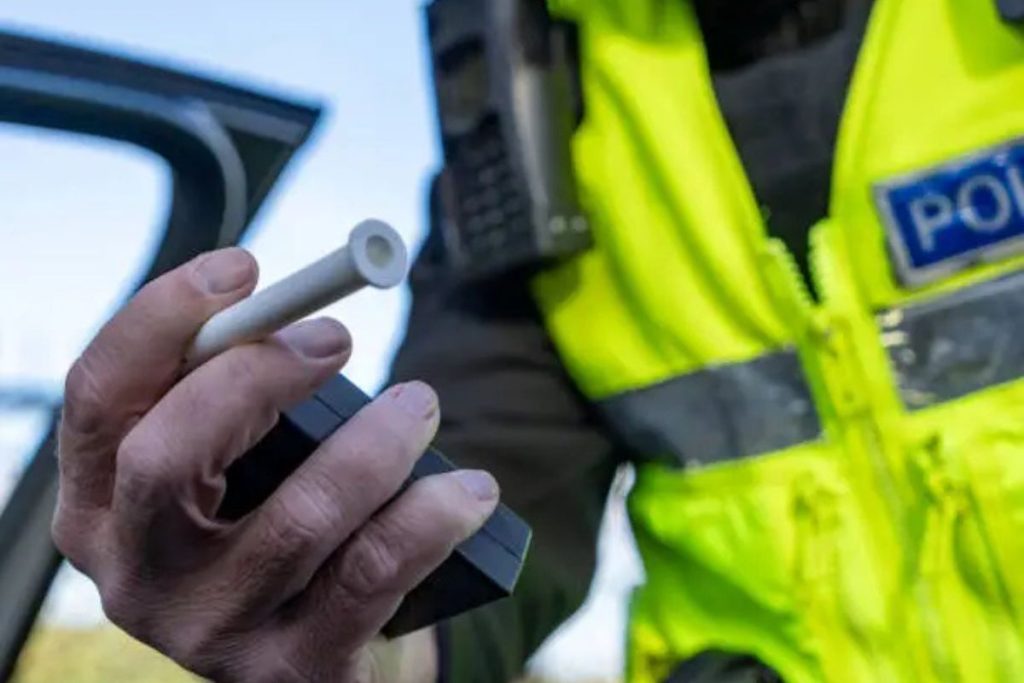
Calibration means adjusting the device to read accurately. Police units must be calibrated regularly, following strict rules and schedules. This keeps the sensors working at their best and reduces errors.
Handheld devices, especially personal ones, often go longer between calibrations. The user may not even know they need to calibrate it. Over time, this can make the device give wrong readings. Regular maintenance is especially important for anyone who wants an accurate breathalyser test device.
Technology Used in Handheld and Police Breathalysers
Handheld breathalysers often use semiconductor sensors. These are smaller, cheaper, but also less precise. Police models typically use fuel cell or infrared spectrometry sensors. These sensors are more reliable and are trusted for use in official testing.
Fuel cell sensors can detect lower levels of alcohol and do not react as much to substances that are not alcohol. This is why police devices usually have higher accuracy compared to many handheld devices. In short, the sensor inside the device is a major reason for accuracy differences.
Factors Affecting Test Results
Environmental factors affect the final outcome. Nearby chemicals such as paint fumes, mouthwash, or even some foods may interfere with the measurements of lower-cost devices. The timing of the test after consuming alcohol also plays a role. Testing too soon after drinking can lead to a false high result.
Handheld devices are also more likely to give mixed results if used in cold or hot weather. Some people exhale differently each time they take a test, which can change the reading. More advanced devices, like police models, are better at avoiding these problems.
Legal Implications of Breathalyser Accuracy
The readings from a police breathalyser can be used in court. These devices are tested for accuracy and must meet national legal standards. If a police test shows a driver is over the limit, it can lead to fines, license loss, or even prison.
Handheld models sold to the general public are not always admissible in legal situations. Their lower level of accuracy means their results are mostly for personal information. Someone who tests themselves with a handheld device should not use this as proof they are safe to drive, since it could be wrong.
Limitations and Best Practices for Handheld Breathalysers
Handheld breathalysers are convenient but have some weaknesses compared to larger police models. The way they are used, the device’s age, and new updates in the technology can all affect the test results.
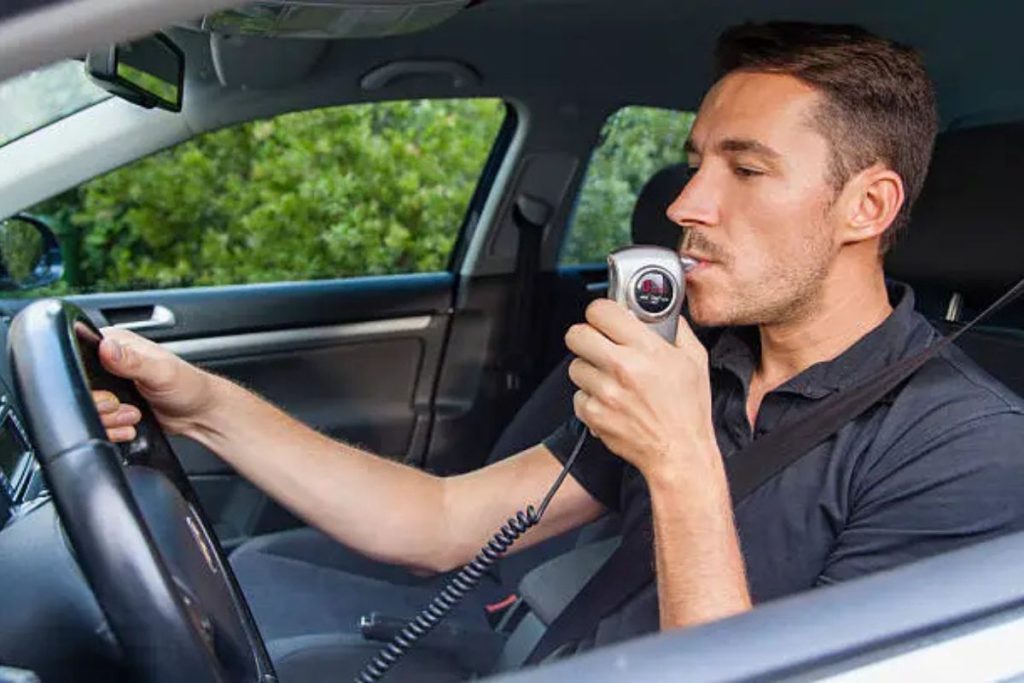
Common Sources of Error in Personal Devices
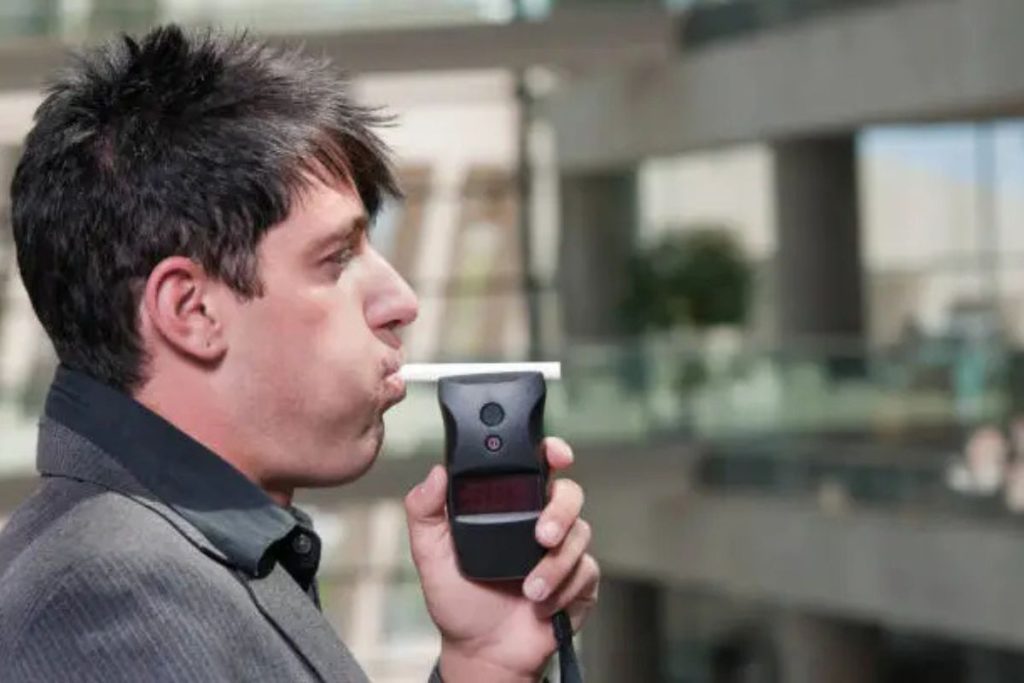
Personal breathalysers can produce different readings because of several factors. One main issue is the way the user blows into the device. Too weak or too strong a breath may give poor results. Food, mouthwash, or even certain medicines can also change the test outcome.
Over time, the sensor inside the device can become less precise, especially if it is not cleaned or calibrated as often as needed. Temperature also plays a part; taking a test in very hot or cold weather may impact accuracy. Another issue is battery power—low batteries can lead to incorrect readings.
Routine maintenance is needed to keep the readings at their best. Not following the instructions closely can lead to numbers that are much higher or lower than the true level.
Recommendations for Reliable Use
For personal units, it is important to use the device according to the instructions every time. Waiting at least 15–20 minutes after eating, drinking, or smoking before taking a reading helps. This practice lets alcohol leave the mouth area, lowering the risk of a false high reading.
Devices should be cleaned and checked often to keep performance steady. Recalibration, which is the process of adjusting the sensor back to its best level, is often suggested every six to twelve months or as advised by the maker.
It is useful to keep track of when the device was last calibrated and to change the batteries early, not only when they are already very low. If a person gets an unexpected result, taking another reading after a short break can help double-check the numbers.
Recent Advances in Breathalyser Technology
Recent improvements have given both police and personal breathalysers better sensors and new ways of looking at test samples. Some newer models use fuel cell sensors, which can give more stable results than older semiconductor types.
Digital displays, smartphone apps, and automatic reminders for recalibration are now available in many devices. Some units keep old test data for review, letting users see any patterns over time.
Automatic error checks are common on newer models. These alerts tell the user if the breath strength is too weak or if the machine finds a fault. Updates in battery technology have also made these devices last longer on a single charge, making tests more dependable in daily situations.
Conclusion
Handheld breathalysers found on the consumer market often measure alcohol levels less precisely than police devices. Differences in technology, sensor quality, and calibration can affect results.
Studies have shown police models tend to provide more accurate readings. Personal units may underestimate blood alcohol content by more than 0.01% and may not always detect when someone is above the legal limit.
Key points:
- The accuracy of consumer breathalysers is usually around ±5%.
- Police models have lower rates of false positive and give more dependable results.
- Handheld breathalysers offer convenience, but users should treat readings with caution.
Choosing the right device and understanding its limits can help people stay safer.
Images courtesy of unsplash.com and pexels.com