Fiscal challenges are emerging that will significantly impact the upcoming budget. With growing national debt, inflationary pressures, and shifting economic priorities, decision-makers face tough choices ahead. These fiscal challenges call for strategic planning and prioritization to ensure financial stability and growth.
Understanding these fiscal challenges is crucial for stakeholders at all levels. They must navigate a landscape that increasingly demands accountability and transparency in budgetary decisions. It is essential to recognize how these factors will shape future policies and expenditures.
As the budget debate unfolds, the implications of these fiscal issues will become evident. Stakeholders should prepare for potential adjustments and consider the broader economic environment as they advocate for their respective interests in the coming budget discussions.
Understanding Fiscal Challenges
Fiscal challenges arise from various constraints and pressures that affect budgetary processes. Identifying these issues is crucial for informed decision-making and effective resource allocation.
Defining Budgetary Constraints

Budgetary constraints refer to the limitations that governments face in allocating financial resources. These constraints stem from laws, regulations, and institutional practices that dictate spending and revenue generation.
Key components include:
- Legal Restrictions: Many jurisdictions have constitutional or statutory requirements that limit deficit spending.
- Political Factors: Elected officials often face pressures from constituents that influence budget priorities.
- Economic Conditions: Fluctuating economic conditions can impact revenue forecasts and necessitate cutbacks in spending.
Understanding these constraints helps policymakers navigate complex financial environments.
Sources of Fiscal Stress
Fiscal stress occurs when expenditures surpass revenues, leading to budget deficits. Various sources contribute to this scenario, including:

- Declining Tax Revenues: Economic downturns can lead to lower income and sales tax revenues.
- Increased Entitlement Spending: Programs like Social Security and Medicaid can lead to rising costs as demographics shift.
- Interest Payments on Debt: High levels of public debt can result in substantial interest obligations that strain budgets.
Identifying these sources enables a deeper comprehension of fiscal health and sustainability.
Economic Indicators and Projections
Economic indicators play a vital role in assessing fiscal challenges. Important metrics include:
- Gross Domestic Product (GDP): GDP growth rates indicate overall economic health and influence tax revenues.
- Unemployment Rates: High unemployment can lead to reduced consumer spending, further decreasing tax revenues.
- Inflation Rates: Rising inflation can increase the cost of government goods and services, impacting budget planning.
Accurate anticipation and response to fiscal challenges often hinge on robust data analysis and modeling capabilities, which dedicated budgeting and forecasting software can significantly enhance. Such platforms can integrate diverse economic indicators and scenarios to stress-test budget assumptions, offering dynamic insights into potential financial vulnerabilities before they materialize.
Projections based on these indicators guide policymakers in anticipating fiscal challenges and preparing appropriate responses. Understanding these metrics is essential for informed budgeting.
Implications for Budget Prioritization
As fiscal challenges arise, decisions regarding budget prioritization will significantly impact various sectors. This section explores how limited resources will shape allocations, affect public services, and influence investment strategies.
Allocating Scarce Resources
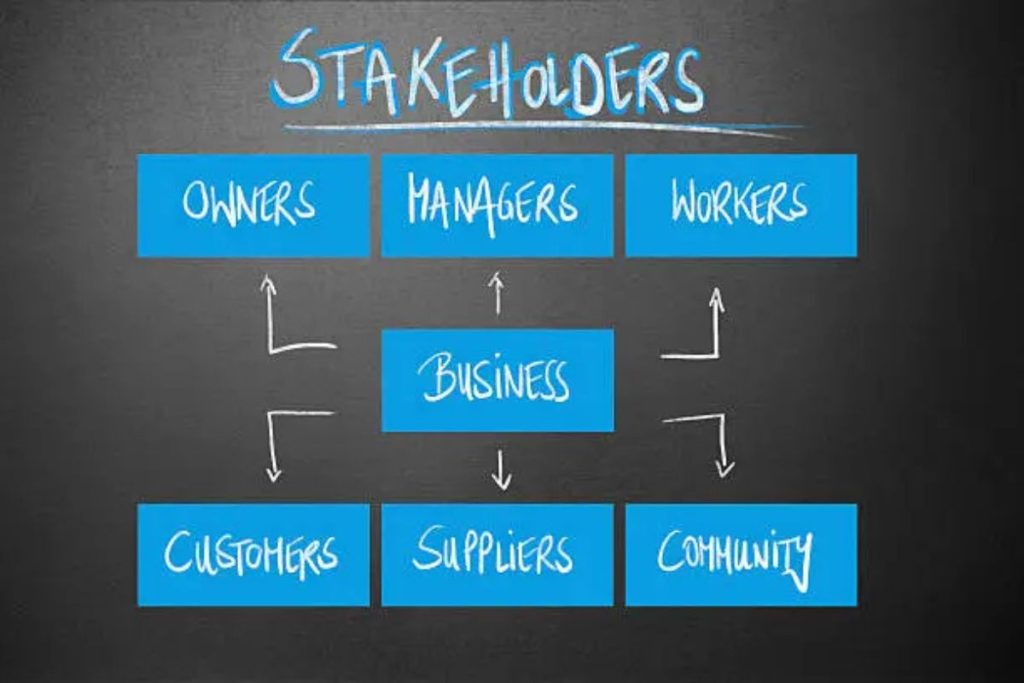
Governments face the critical task of allocating limited financial resources effectively. Priority areas often include health care, education, and infrastructure. Each sector competes for funding, necessitating a clear framework for decisions.
Budget committees must assess priorities based on urgency and potential impact. A rigorous analysis of outcomes can help determine where investments will yield the greatest benefits. For instance, investing in preventive healthcare may reduce long-term costs.
Additionally, transparency in resource allocation fosters public trust. Engaging stakeholders in discussions can provide valuable insights into community needs, ensuring that funding aligns with actual demands.
Impact on Public Services
Public services are directly affected by budgeting decisions in a constrained fiscal environment. A reduction in funding can lead to service cuts, which disproportionately impacts vulnerable populations. Essential services like public safety and transportation may face reductions if priorities shift.
Resource allocation affects the quality of services offered. Staff shortages or decreased operational budgets can hinder effectiveness. Policymakers should monitor service delivery metrics to assess the effects of budget changes on the community.
Moreover, intergovernmental dependencies complicate funding streams. Local services may rely on state and federal contributions, meaning cuts at one level can have widespread ramifications. Understanding these interconnections is essential for strategic planning.
Long-Term Investments vs Short-Term Needs
Balancing long-term investments with immediate demands poses a significant challenge. Current budget pressures may tempt stakeholders to prioritize short-term solutions, often at the expense of sustainability.
Investing in infrastructure projects or educational programs typically requires extended timelines to realize benefits. Nevertheless, these commitments can enhance future economic resilience.
Maintaining a long-term vision involves assessing how immediate budgetary decisions impact future growth. Policymakers should consider not just current needs, but also potential returns on investment from long-term projects. This approach ensures that future fiscal stability is not compromised for short-term gains.
Strategies for Fiscal Sustainability
Addressing fiscal sustainability requires a multifaceted approach. Key methods include enhancing revenue, reducing costs, and managing debt effectively. Each of these strategies contributes to a more stable financial future.
Revenue Enhancement Methods
Enhancing revenue involves identifying new income sources and optimizing existing ones.

- Tax Reforms: Adjusting tax rates and improving compliance can significantly increase revenue. Simplifying the tax code may also encourage more individuals and businesses to pay taxes.
- Broadening the Tax Base: Reducing exemptions and loopholes allows for a larger tax base. This approach can distribute the tax burden more evenly across different groups.
- Fees and Charges: Introducing or increasing fees for public services can generate additional funds. These charges should reflect the true cost of services to promote fairness.
- Grants and Funding: Seeking federal and private grants can supplement income. Awareness and applications for various funding opportunities are essential for this strategy’s success.
Cost Reduction Initiatives
Cost reduction focuses on improving efficiency and eliminating waste. It can yield significant savings over time.
- Operational Efficiency: Implementing technology solutions can streamline processes. Automation of routine tasks reduces labor costs and increases productivity.
- Program Evaluations: Regularly assessing programs ensures funds are spent effectively. Discontinuing underperforming programs can free up valuable resources.
- Shared Services: Collaborating with other organizations can lead to resource sharing. This strategy reduces duplication and lowers overall operational costs.
- Employee Training: Investing in employee skills promotes better performance. Well-trained staff can lead to fewer mistakes and lower costs in the long run.
Debt Management
Effective debt management is crucial for maintaining fiscal sustainability. It involves strategic planning and monitoring.
- Refinancing Existing Debt: Seeking lower interest rates can reduce debt service costs. This approach frees up funds for other priorities.
- Establishing Debt Limits: Setting clear limits on acceptable debt levels prevents excessive borrowing. Fiscal policies should align with these limits to ensure accountability.
- Debt Restructuring: If necessary, restructuring debt can provide relief. This may involve renegotiating terms with creditors.
- Regular Monitoring: Implementing a system for ongoing debt review is essential. Regular assessments ensure that debt levels remain manageable and sustainable over time.
Looking Forward
As fiscal challenges loom, proactive strategies become crucial. Addressing uncertainties while planning for potential scenarios will guide informed decision-making in upcoming budgets.

Scenario Planning
Scenario planning is essential for anticipating various economic conditions. By outlining best-case, worst-case, and moderate scenarios, policymakers can prepare for diverse outcomes.
For example, they might consider factors such as:
- Economic Growth Rates: High, moderate, or recessionary growth affects revenue projections.
- Inflation Rates: Different inflation scenarios impact expenditure on public services.
- Interest Rate Fluctuations: Changes can influence debt servicing costs significantly.
These considerations help in understanding potential implications on budget allocations, allowing for more resilient financial planning.
Policy Recommendations
Implementing targeted policy recommendations can stabilize fiscal health.
Key areas to address include:
- Tax Reforms: Revisiting tax structures to enhance revenue without imposing excessive burdens on citizens.
- Expenditure Controls: Prioritizing essential services while identifying areas for cost reductions.
- Investment in Infrastructure: Focusing funds on infrastructure projects that stimulate economic growth and job creation.
By adopting these measures, governments can effectively navigate fiscal challenges while promoting economic stability.
Preparing for Uncertainty
Uncertainty is inherent in fiscal planning. Preparing for fluctuations requires adaptive strategies.
Governments should prioritize:
- Emergency Reserves: Maintaining surplus funds can buffer against economic shocks.
- Flexible Budgeting: Adopting flexible budgeting processes allows for adjustments as conditions change.
- Stakeholder Engagement: Collaborating with stakeholders ensures diverse perspectives inform strategic decisions.
Such preparedness can enhance resilience, enabling governments to respond swiftly to unforeseen challenges and maintain fiscal integrity.
Images courtesy of unsplash.com, freepix.com and pexels.com