Transforming your garden into a sensory play paradise is a fantastic way to stimulate your child’s senses and imagination. By incorporating various elements that engage touch, sight, sound, smell, and taste, you can create an environment where your child’s creativity and exploration can flourish.
This guide will show you how to design the perfect sensory play garden, focusing on integrating Outdoor Toys and Trampolines to enhance the experience.
Understanding Sensory Play
Sensory play involves activities that stimulate a child’s senses. These activities are crucial for developing motor skills, language, and cognitive growth. A sensory garden provides a safe and stimulating environment where children can explore different textures, colours, sounds, and smells, promoting holistic development and a love for nature.

Planning Your Sensory Garden
1. Space Assessment – Begin by assessing the space available in your garden. Identify areas with ample sunlight, shaded spots, and sections with good drainage. Understanding the layout will help you decide where to place different sensory elements.
2. Choosing Plants – Select various plants that offer diverse sensory experiences. Consider:
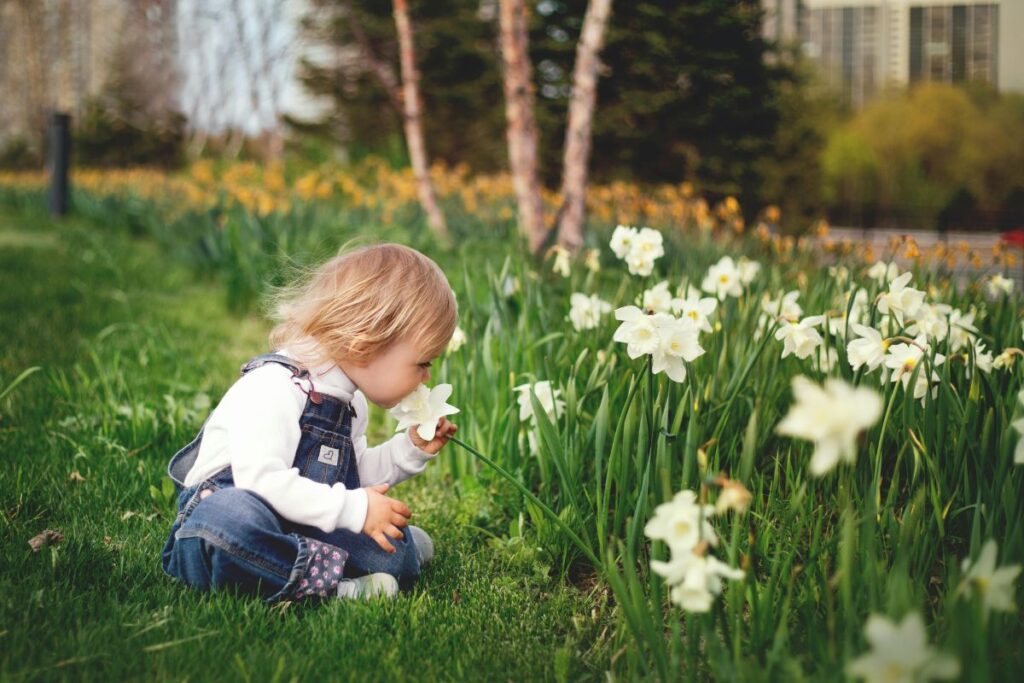
- Touch: Lamb’s ear, snapdragons, and succulents.
- Sight: Bright flowers like marigolds, sunflowers, and colourful foliage.
- Smell: Lavender, mint, rosemary, and jasmine.
- Sound: Grasses like bamboo that rustle in the wind or ornamental grasses with seed heads that create subtle sounds.
- Taste: Edible plants like strawberries, cherry tomatoes, and herbs like basil and thyme.
Incorporating Outdoor Toys

Outdoor toys can significantly enhance the sensory experience. Here are some excellent choices:
1. Sand and Water Play Tables: These tables provide a versatile space for children to explore different textures. Sand offers a gritty feel, while water is smooth and fluid. Add small toys, scoops, and containers to encourage imaginative play.
2. Musical Instruments: Install outdoor musical instruments like chimes, drums, and xylophones. These instruments allow children to create their own music, stimulating auditory senses and fostering creativity.
3. Balance Beams and Stepping Stones: Create a path with balance beams and stepping stones. These elements help develop coordination and balance and offer a tactile experience as children walk on different surfaces.
4. Sensory Bins: Bins filled with materials like rice, beans, or pebbles can provide a hands-on experience. Small toys or natural objects can be hidden within the bins to encourage exploration and discovery.
The Magic of Trampolines
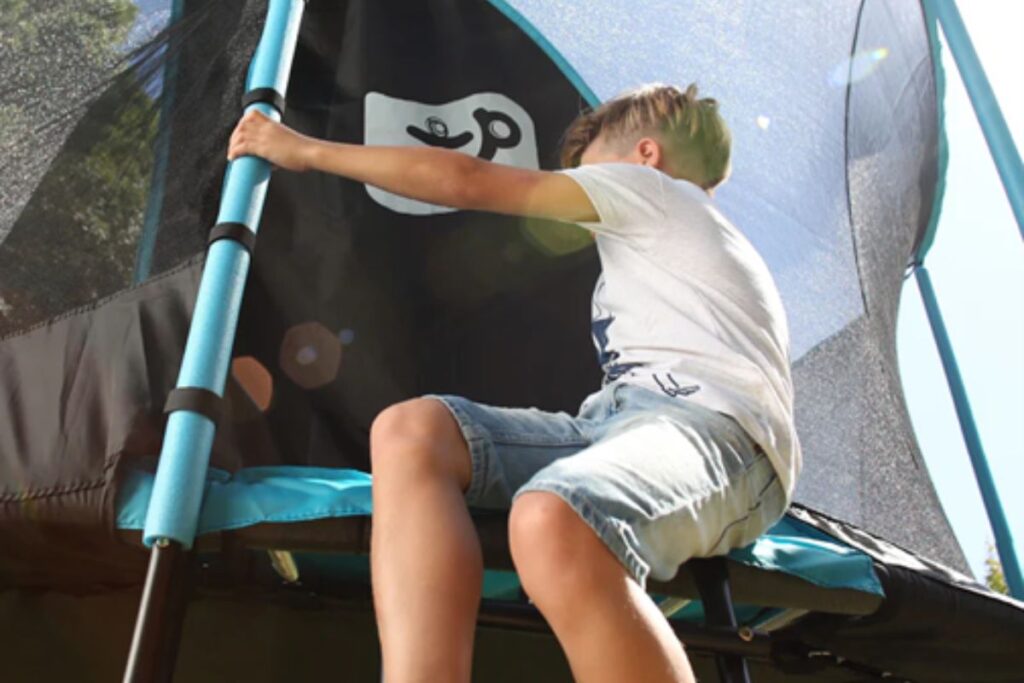
Trampolines are a fantastic addition to any sensory garden. They provide physical activity, which is crucial for sensory integration. Jumping on a trampoline stimulates the vestibular system responsible for balance and spatial orientation.
1. Physical Benefits: Jumping helps improve coordination, balance, and muscle strength. The repetitive motion can also be calming for some children, providing a sense of rhythm and predictability.
2. Cognitive Benefits: Trampolines encourage problem-solving and spatial awareness. Children learn to control their movements, understand cause and effect, and develop a sense of timing and rhythm.
3. Social Benefits: Trampolines can be a social activity, encouraging children to take turns and interact with peers. This interaction promotes communication skills and teamwork.
Creating Zones in Your Sensory Garden
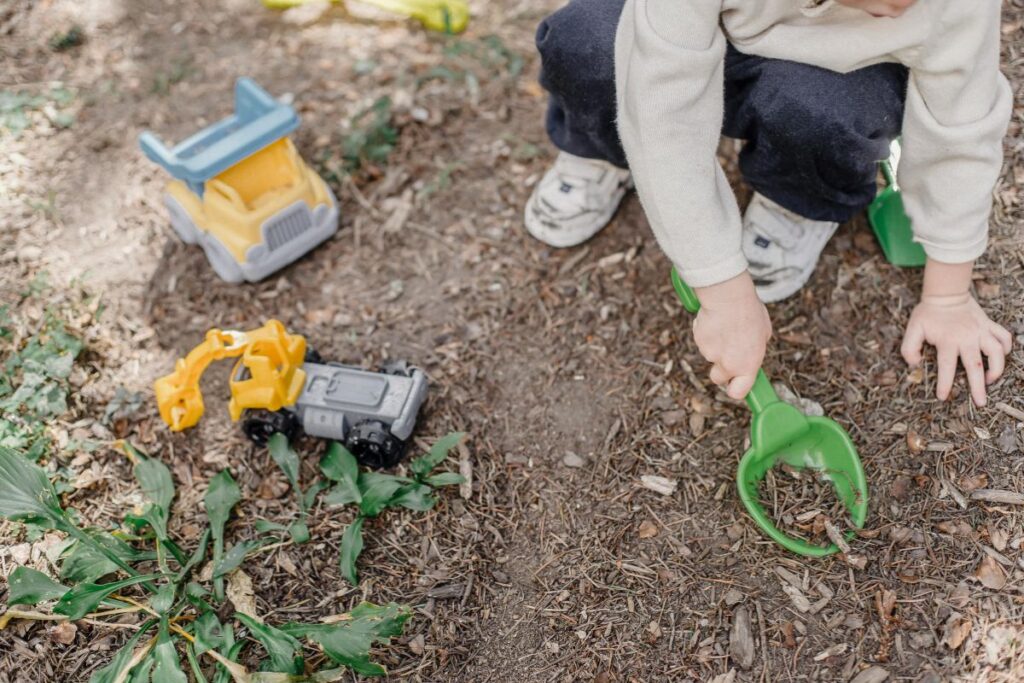
Divide your garden into different sensory zones to create a structured and diverse environment. Each zone can focus on a specific sensory experience, making it easier for children to engage fully with each activity.
1. Touch Zone: Includes various textures such as sandpits, mud kitchens, and sensory bins. Add plants with interesting textures and surfaces to explore.
2. Sight Zone: Design a visually stimulating area with colourful flowers, ornamental grasses, and art installations. Consider adding mirrors or reflective surfaces to enhance visual exploration.
3. Sound Zone: Install outdoor musical instruments and plants that make noise in the wind. Add a small water feature or wind chimes to create soothing sounds.
4. Smell Zone: Create a fragrant area with aromatic plants. Consider adding a small herb garden where children can pick and smell different herbs.
5. Taste Zone: Designate a section for edible plants. Include a variety of fruits, vegetables, and herbs that children can harvest and taste.
Safety Considerations
Safety is paramount when designing a sensory garden. Here are some tips to ensure a safe play environment:
1. Supervision: Always supervise children during playtime. Ensure that all activities are age-appropriate and that children understand how to use the equipment safely.
2. Safe Materials: Use non-toxic, child-friendly materials. Avoid plants that are poisonous or have thorns. Ensure that outdoor toys and trampolines meet safety standards and are in good condition.
3. Soft Surfaces: Install soft surfaces like rubber mulch or grass in areas where children are likely to fall, such as around trampolines and climbing structures.
Encouraging Imagination

A sensory garden is not just about sensory experiences; it’s also about fostering imagination. Here are some ideas to inspire creative play:
1. Storytelling Corner: Create a cosy corner with comfortable seating and a small bookshelf. Encourage children to read or make up their own stories inspired by their surroundings.
2. Art Station: Set up an outdoor art station with easels, paints, and natural materials like leaves and sticks. This area can be used for creative expression and craft projects.
3. Themed Play Areas: Design themed play areas, such as a pirate ship sandbox, a fairy garden, or a dinosaur dig site. These themed areas can transport children into different worlds, sparking their imagination and creativity.
Conclusion
Creating the ultimate sensory play garden is a rewarding project that offers endless benefits for your child’s development. You can design a space where your child’s imagination can run free by incorporating diverse sensory elements, outdoor toys, and trampolines. Remember to consider safety, create distinct sensory zones, and encourage imaginative play. With a little planning and creativity, your garden can become your child’s magical place of exploration and learning.
Some Images supplied. Some images courtesy of unsplash.com and pexels.com