There’s nothing quite like being halfway through a countryside walk when the heavens open and you realise your jacket isn’t nearly as waterproof as you thought. Suddenly, what should have been an enjoyable afternoon becomes a soggy, uncomfortable experience.
Whether you’re heading into the hills, camping for the weekend or simply spending plenty of time outdoors, having a weatherproof jacket that can handle unpredictable British weather makes all the difference. With so many options available, how do you know which jackets are genuinely built for the elements? Here’s what you should look for before making your next purchase.
Understand The Difference Between Waterproof And Water-Resistant
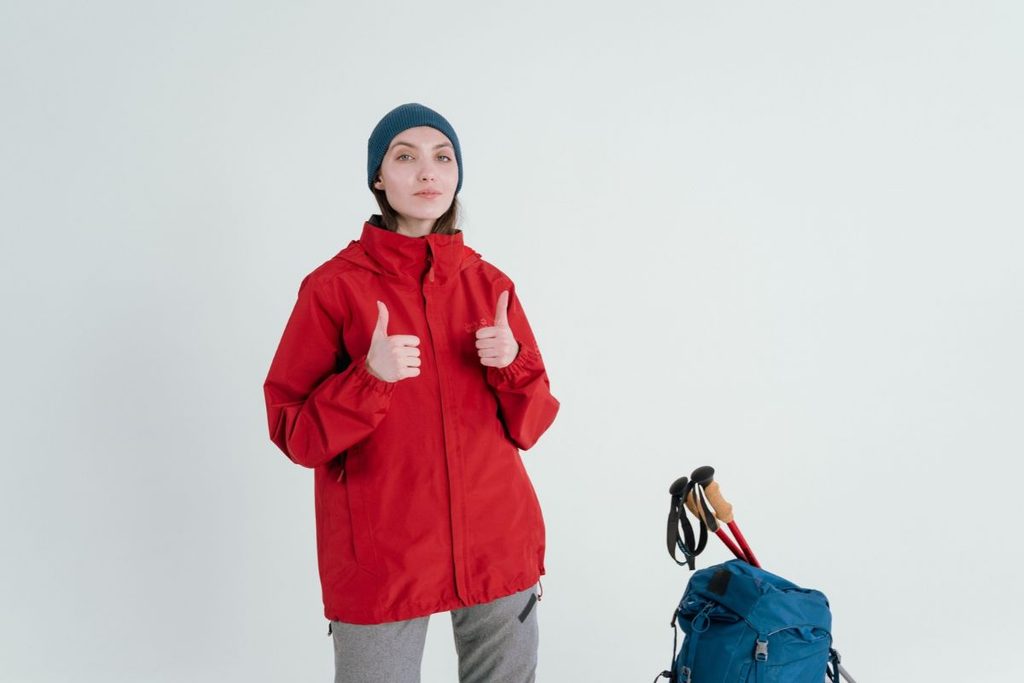
Not all weatherproof jackets offer the same protection, and understanding the difference could save you from getting soaked. Water-resistant jackets can handle light rain and occasional showers, making them suitable for everyday wear. However, prolonged exposure to heavy rainfall can eventually cause moisture to seep through.
Waterproof jackets, on the other hand, use specialised fabrics, membranes and construction techniques to keep rain out. Look for features such as taped seams and waterproof zips, particularly if you’re planning outdoor adventures where shelter isn’t always available.
Choose A Jacket That Can Handle Rough Conditions
If you’re regularly exploring woodland, hiking through rugged terrain or working outdoors, durability should be high on your priority list. A lightweight fashion jacket might look the part, but it won’t necessarily withstand repeated contact with branches, rocks and abrasive surfaces. Instead, look for hard-wearing materials, reinforced stitching and practical designs intended for demanding environments.
For example, a smock jacket can be a practical option for outdoor enthusiasts who want durable coverage and useful storage. Designs with adjustable hoods, protective outer fabrics and spacious pockets are particularly handy when you’re spending extended periods outside.
Don’t Overlook Breathability
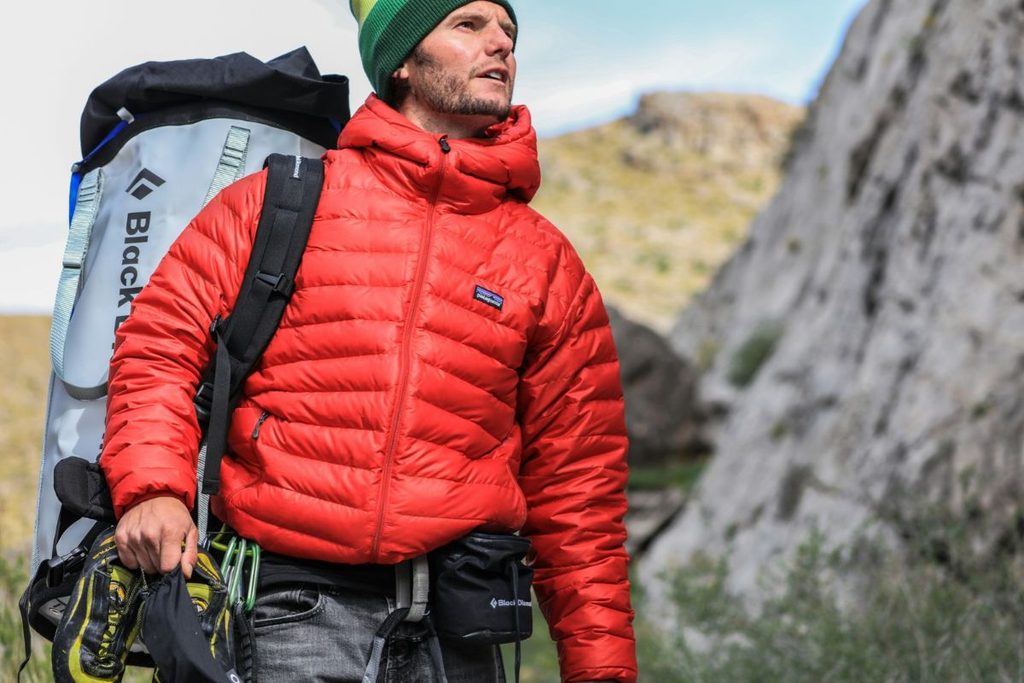
Keeping rain out is important, but so is allowing excess heat and moisture to escape. Without adequate breathability, you could find yourself feeling damp and uncomfortable even when the rain hasn’t penetrated your jacket. If you enjoy hiking, climbing or other physically demanding activities, go for jackets with breathable membranes, ventilation openings or adjustable cuffs. These features help regulate your temperature as your activity level changes throughout the day.
Think About Fit And Layering
A weatherproof jacket should offer enough room for additional clothing without feeling unnecessarily bulky. After all, British weather can change dramatically between seasons, and you might need anything from a lightweight base layer to a thick fleece underneath.
When trying on jackets, move your arms, bend down and check that the hem stays comfortably in place. Adjustable cuffs, waist drawcords and a well-designed hood can also make a noticeable difference to overall comfort.
Pay Attention To The Smaller Details
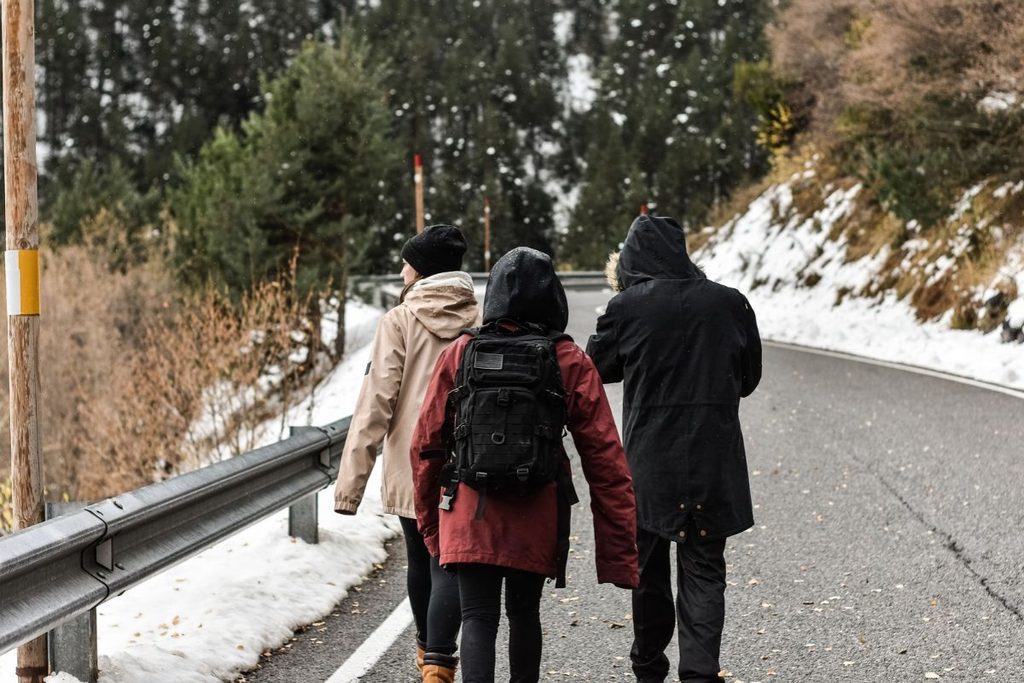
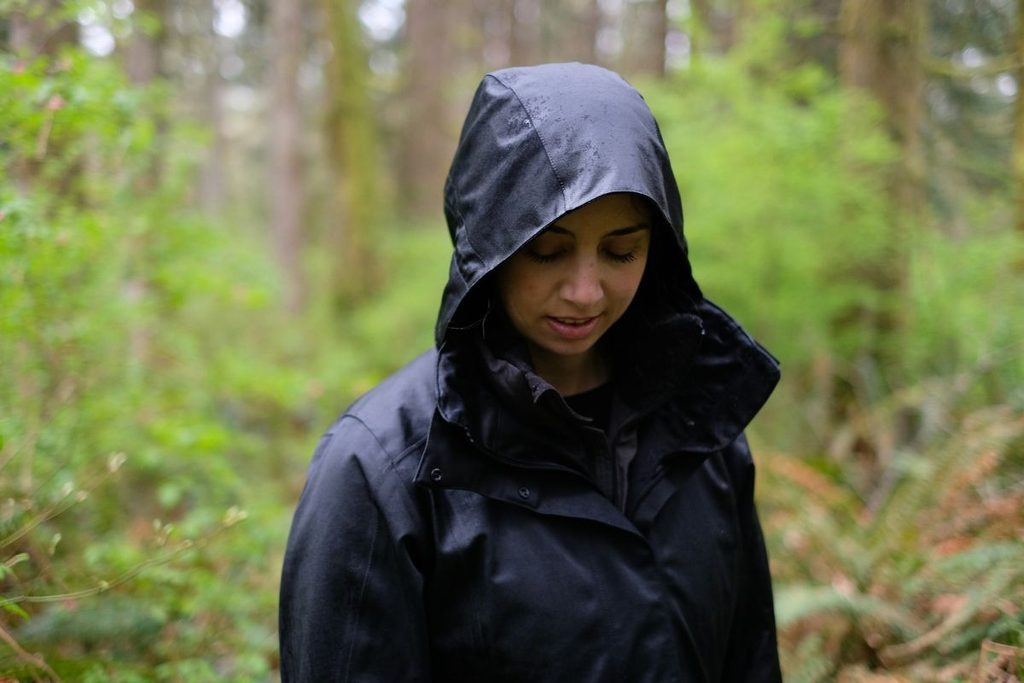
Sometimes, it’s the little features that determine how well a jacket performs outdoors. Storm flaps, secure pockets, reinforced elbows and adjustable hoods can all contribute to better protection and practicality. Think about where and how you’ll wear your jacket most frequently. Someone exploring exposed hillsides will have different requirements from someone walking through local woodland.
Images courtesy of unsplash.com, pexels.com and Freepix.com