Many underestimate the uncertainty of outdoor initiatives. Weather, access, ground conditions, neighbouring traffic, public safety, storage constraints, and changing site schedules can all hinder work progress. Changes in supplies, manpower, and equipment can delay even the best-managed project.
This flexibility makes off-site construction appealing for outdoor projects. Site workers can minimise construction interruptions by fabricating and delivering critical components off-site. Project teams commonly use suppliers of precast concrete solutions, such as JP Concrete (jpconcrete.co.uk), for their ability to save time on site and achieve practical results.
Reduced Weather Exposure
Weather mitigation is difficult in outdoor construction. Rain can soften ground, slow concrete work, affect curing, create unsafe conditions, and slow deliveries. Wind and cold hinder lifting. Controlled production before delivery makes off-site building beneficial. Installation requires favourable conditions, but is less dependent on external factors. Schedules can be managed and delays avoided, especially in colder or wetter months.
Sites Are Cleaner and More Controlled
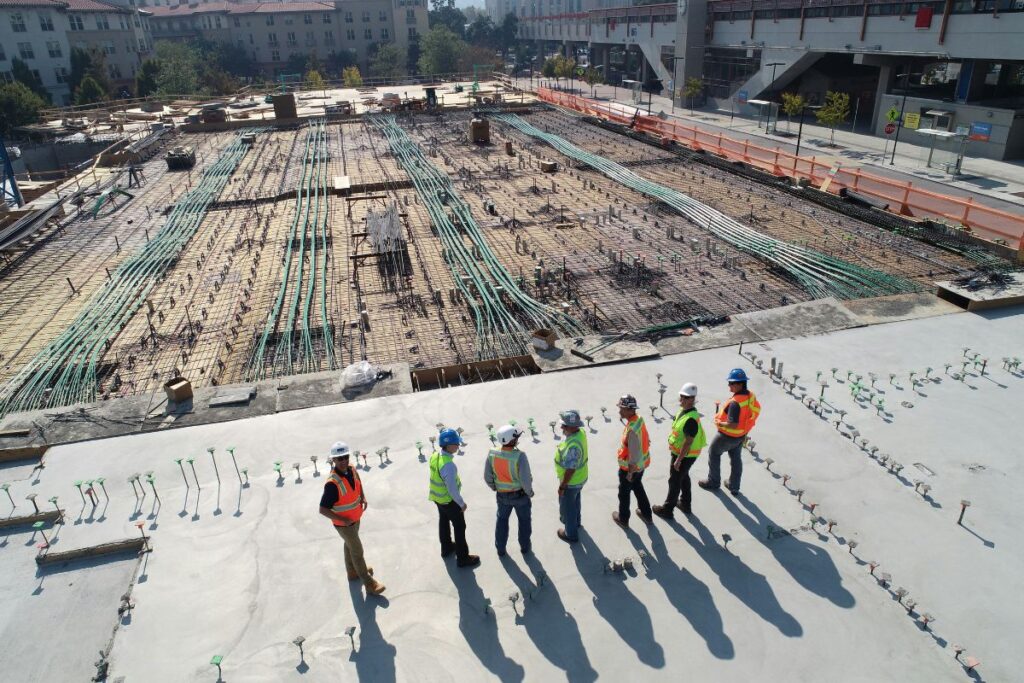
When materials, formwork, tools, debris, cars, and workers compete for space, outdoor projects can quickly become congested. Off-site construction brings finished or partially finished components to the site at the proper time, reducing pressure. This can mean fewer outdoor raw materials, fewer messy public or exposed activities, and a cleaner workplace. A cleaner site is easier to manage, especially near public access, adjoining properties, or live operations. It improves worker safety and helps management regulate everyday activity.
Faster Windows Install
Many outdoor projects cannot afford prolonged disruption. Roads, car parks, industrial yards, public areas, event venues, farms, utilities, and business premises require swift work to sustain normal operations. Off-site construction allows shorter installation windows because crews complete most work before delivery. Instead of starting from scratch, site crews can focus on preparation, placement, connection, and completion. When access is limited to specified dates, working hours, or shutdowns, this approach is useful. Predictable installation processes facilitate coordination of personnel, equipment, and traffic.
Repetition Improves Quality
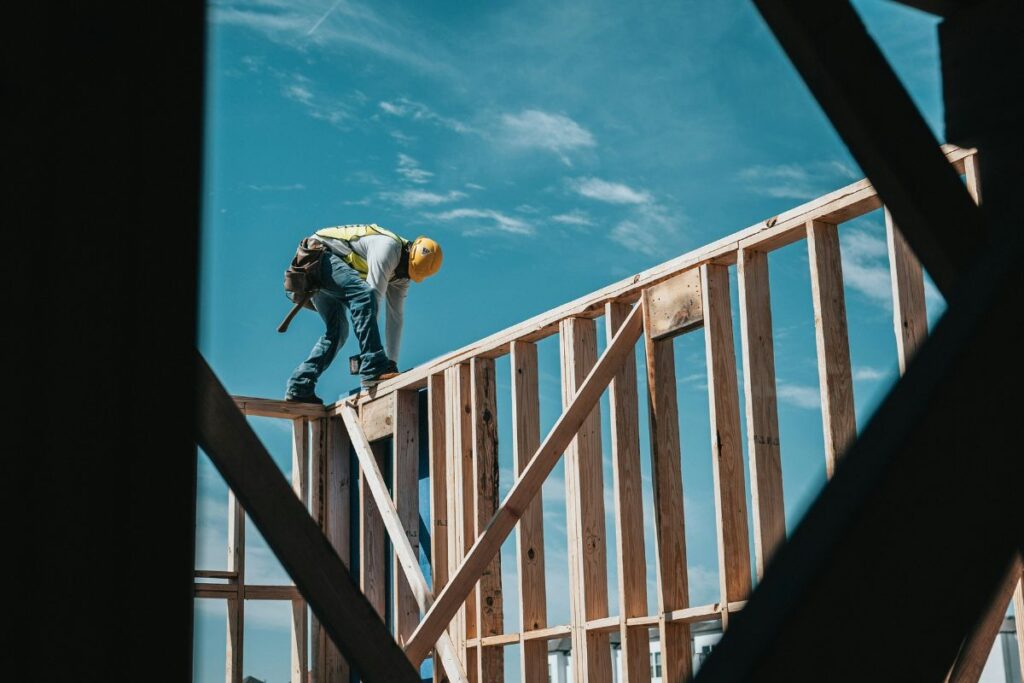
Controlled production helps maintain quality. Off-site component production benefits from dedicated equipment, experienced teams, repeatable techniques, and regular checks. Distractions and shifting conditions make consistency tougher in outdoor venues. Off-site production can strengthen the project’s start, but doesn’t eliminate the need for cautious design, handling, shipping, or installation. Repetition helps maintain project dimensions, quality, and performance when several units are needed. This can benefit infrastructure, retaining systems, storage, obstacles, and other outside applications.
Fewer Project Disruptions
Outdoor construction impacts more than the workplace. Noise, dust, vehicle movements, garbage processing, obstructed roads, and protracted occupation can disturb neighbours, customers, staff, and the public. Off-site construction reduces open-air work, making the project less invasive. Deliveries and lifts require forethought, although site activity may decrease. This approach can help in busy areas where the project needs to advance without drawing notice or causing disturbance. A concise, structured website can enhance communication with nearby users.
Built Elsewhere, Better Outside
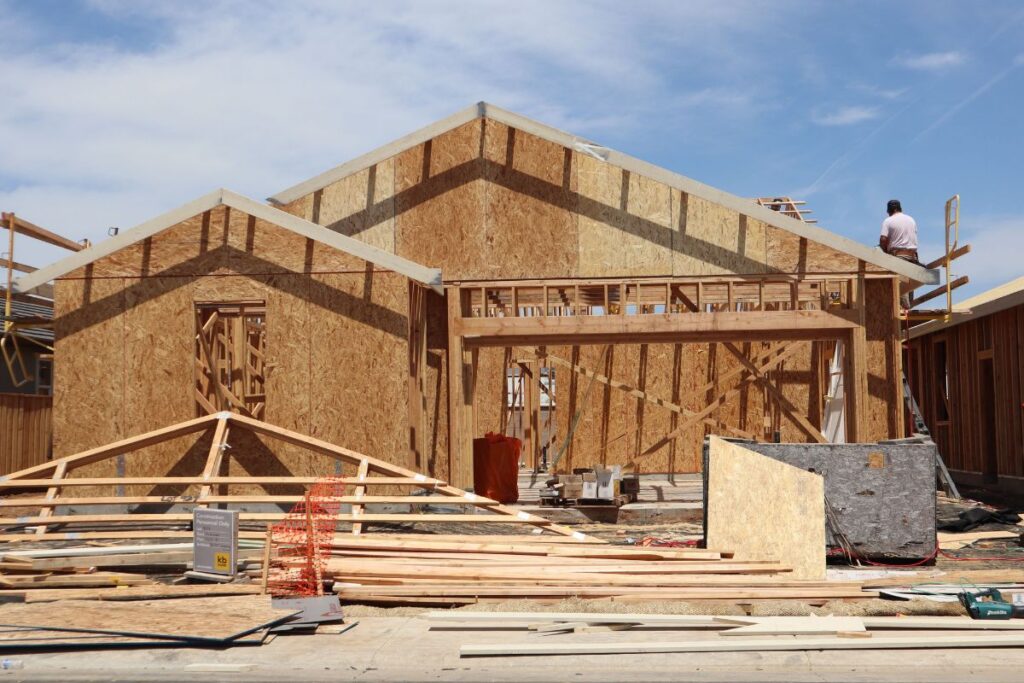
Because off-site construction makes tough conditions easier to manage, outdoor projects prefer it. It promotes cleaner locations, quicker programmes, better quality, and less disruption at work. Planning, site preparation, safe handling, and careful installation still yield the best outcomes. Off-site construction allows outdoor projects to accommodate weather, access, and space when managed properly.
Images courtesy of unsplash.com and pexels.com