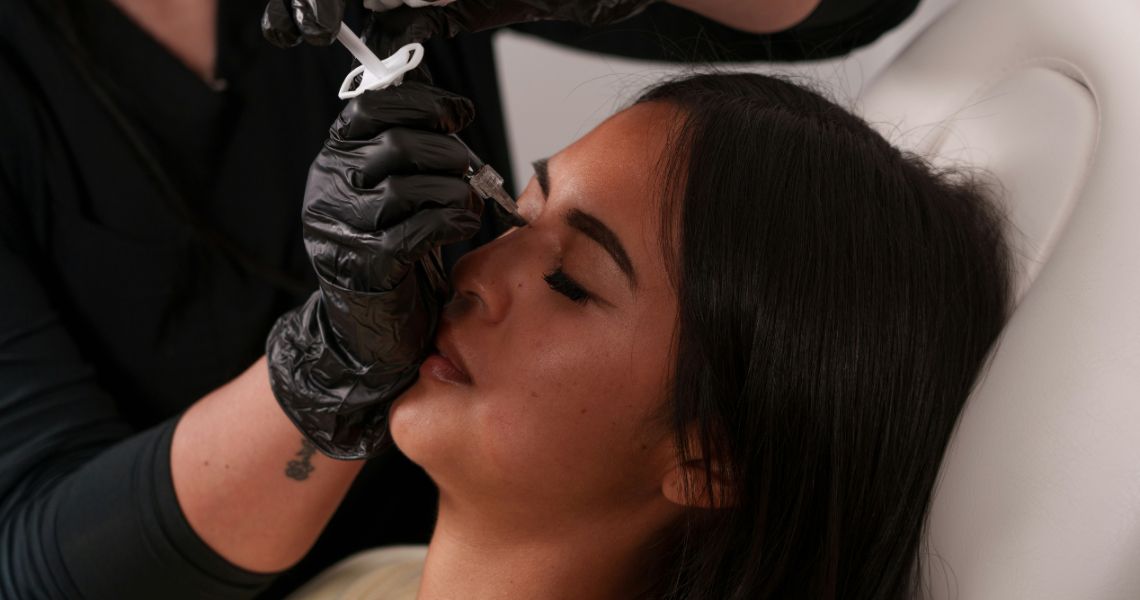
When it comes to rhinoplasty, or nose reshaping surgery, the quality of the skin plays a pivotal role in the ultimate outcome. The overall appearance of your nose is largely determined by the shape and size of the underlying bone and cartilage, and cosmetic rhinoplasty aims to modify this skeletal framework to create a more aesthetically pleasing profile. Yet, it’s the skin – along with the underlying tissues such as muscles and fat – that envelopes this framework, smoothing out transitions and refining contours.
The thickness of the skin stands out as its most significant surgical attribute. Ideally, moderately thick, smooth, and healthy skin is most suited for rhinoplasty. Both thick and overly thin skin can pose distinct challenges. Factors such as scar formation tendencies and skin elasticity are also crucial, influencing surgical results. Notably, skin thickness varies across different areas of the nose, necessitating careful consideration of these transformative effects during the surgical redesign.
Impact of Thin Skin in Rhinoplasty

For individuals with very thin skin, incisions often heal with minimal scarring, and any swelling tends to subside rapidly. However, the drawback is that even minor skeletal irregularities can become glaringly apparent due to the skin’s limited ability to camouflage imperfections. Additionally, a postoperative phenomenon known as “shrink-wrap” effect may occur, where contracture of the scars leads to undesirable deformities by constricting the nasal framework.
To mitigate potential complications for patients with extremely thin skin, surgeons may opt to artificially thicken the dermis. This can be achieved through grafts, such as beneath-skin tissue, crushed cartilage, fascia, or perichondrium, which help to better mask underlying skeletal flaws. Those with thin skin are also more prone to issues such as redness and the development of spider veins, for which laser treatments are often effective.
Impact of Thick Skin in Rhinoplasty
Conversely, while thick skin can conceal minor skeletal imperfections, it poses a formidable challenge in achieving a refined nasal contour. Its bulk and density can obscure the underlying skeletal framework, diminishing the delicate features that are essential for an attractive profile. Moreover, the cartilage in thick-skinned noses may often be weaker, further complicating attempts to define the desired shape. Surgical procedures that compromise nasal structural support can lead to issues such as skeletal collapse and deformities. Therefore, creating a robust cartilage framework that can withstand the additional weight of thick skin is essential for achieving a strong and appealing nose. While strong skeletal support alone does not guarantee beauty, it remains the first and most vital step towards cosmetic enhancement for individuals with thick skin.
Why Choose Dr. Fu Clinic in Turkey?

For those considering rhinoplasty, Dr. Fu Clinic in Ankara, Turkey stands out as a premier choice. Under the adept leadership of Prof. Dr. Fuat Buyuklu, who boasts over 25 years of experience in rhinoplasty, patients benefit from unparalleled expertise. With a remarkable track record of having treated more than 50,000 patients and completed over 15,000 surgical procedures, Prof. Buyuklu’s extensive experience ensures that patients receive the highest standard of care. You may find detailed information on our website https://www.drfu.co.uk/
At Dr. Fu Clinic, you can expect a comprehensive approach tailored to individual needs, blending artistry with medical precision. The clinic is renowned for its commitment to safety and patient satisfaction, making it an ideal destination for those seeking transformative results in their rhinoplasty journey. Your confidence and well-being are in expert hands at Dr. Fu Clinic, where experience meets excellence. You may find before/after Picture and our clinic pictures on our official Instagram https://www.instagram.com/prof.dr.fuat.buyuklu/.
Images supplied