Smooth, even skin texture is one of the biggest skincare goals for many people, yet it can also be one of the most difficult to achieve. Rough patches, small bumps, uneven tone, post-breakout marks, and visible pores can all contribute to skin that feels textured rather than balanced and refined.
While there are many skincare ingredients marketed for texture concerns, azelaic acid has become increasingly popular because it offers multiple benefits while remaining relatively gentle for many skin types. For individuals dealing with acne-prone or sensitive skin, it may provide a more balanced approach to improving overall skin appearance.
What “Skin Texture” Actually Means
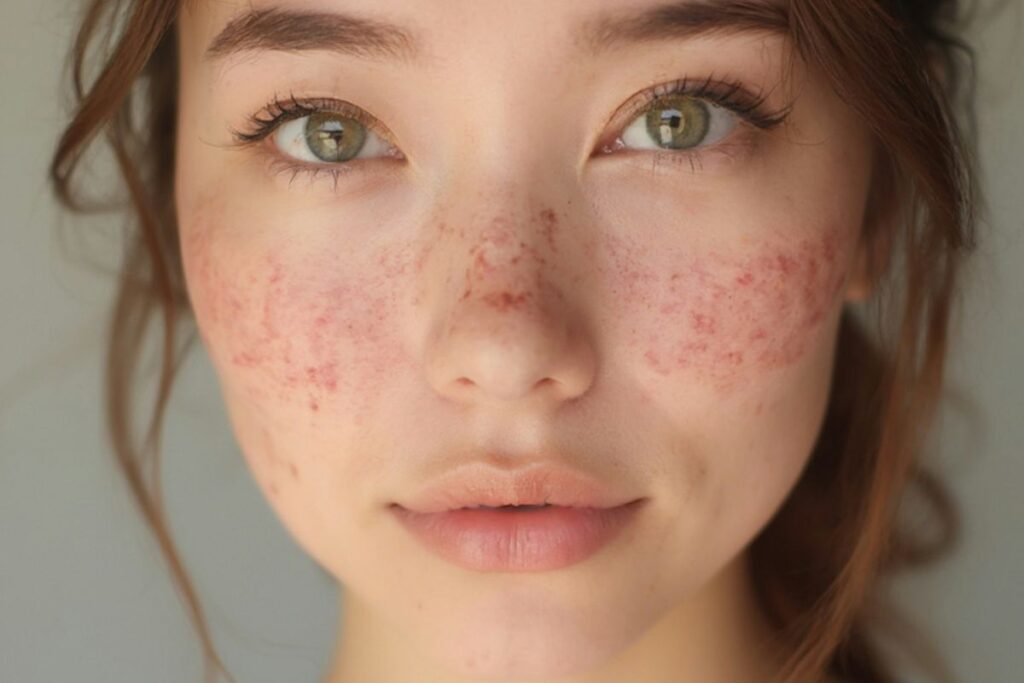
When people talk about skin texture, they’re usually referring to how smooth or uneven the surface of the skin looks and feels. Texture concerns can include clogged pores, acne bumps, rough patches, post-acne marks, dryness, or uneven skin tone.
Texture often develops from a combination of factors including excess oil, dead skin buildup, inflammation, sun damage, and slowed skin cell turnover. Acne-prone skin is especially vulnerable because breakouts and irritation can leave behind lingering unevenness even after blemishes heal.
Many people compare azelaic acid or benzoyl peroxide for acne when searching for solutions to breakouts and rough texture. While benzoyl peroxide is known for aggressively targeting acne-causing bacteria, it may also cause dryness and irritation for some skin types. Azelaic acid is often preferred by individuals looking for a gentler option that can help support smoother-looking skin over time.
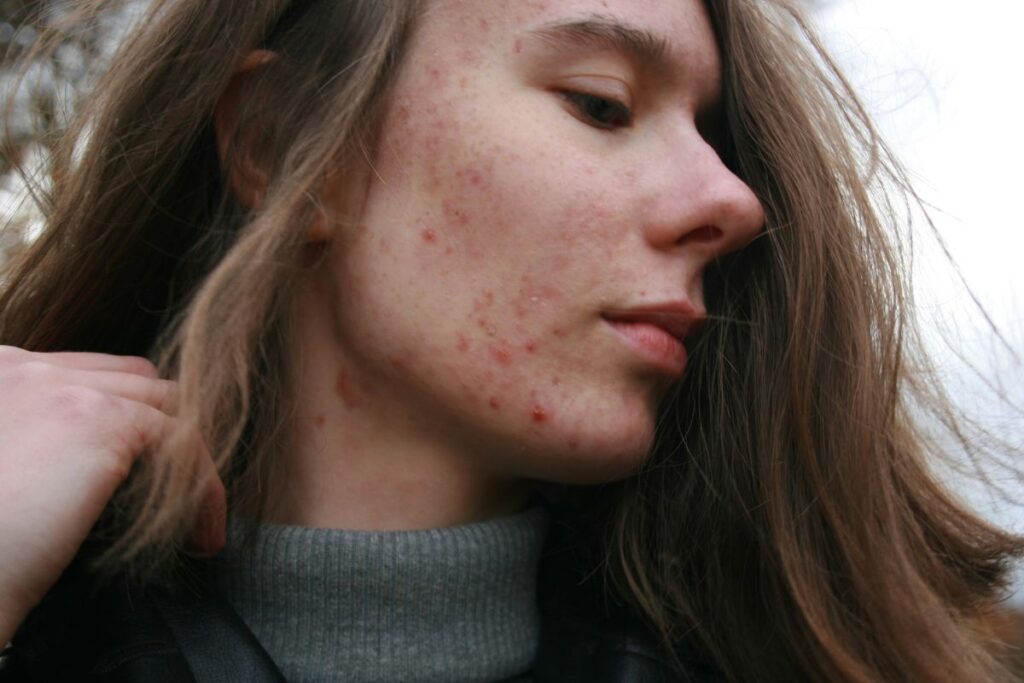
Texture concerns also commonly appear alongside other visible signs of aging, including loss of firmness and elasticity. Because of this, many individuals focused on improving skin appearance may also explore products like the best neck tightening cream as part of a broader skincare and self-care routine.
How Azelaic Acid Helps Smooth Skin
One reason azelaic acid has become so popular is because it works on several common texture concerns at once. It helps support healthy skin cell turnover, which can reduce clogged pores and improve rough or uneven areas over time.
Azelaic acid also helps calm visible redness and irritation that often accompany acne and textured skin. By reducing inflammation, it may help the skin appear more balanced and smoother overall.

Another major benefit is its ability to help fade post-breakout discoloration. Dark marks and uneven tone can contribute to the appearance of rough texture even when active breakouts are no longer present. Consistent use of azelaic acid may gradually help improve clarity and promote a more refined-looking complexion.
Unlike some stronger exfoliating ingredients, azelaic acid is often tolerated well by sensitive skin types when introduced gradually. Many people appreciate that it can address multiple concerns without leaving the skin feeling excessively dry or stripped.
As with most skincare ingredients, consistency is key. Improvements in texture typically happen gradually over several weeks or months of regular use. Pairing azelaic acid with hydration and sunscreen can help support the skin barrier while maximizing long-term results.
Ultimately, smoother skin often comes from supporting overall skin balance rather than overcorrecting with harsh products. For many individuals struggling with texture, azelaic acid offers a gentler, multi-benefit option that supports clearer, more even-looking skin over time.
Images courtesy of freepix.com, unsplash.com and pexels.com