

Are you tired of feeling vulnerable to rising energy costs and power outages? The dream of energy independence is becoming a reality for countless homeowners who are taking control of their power supply and reducing their reliance on traditional utilities.
From backup generators to renewable energy systems, the tools for creating a self-sufficient home and energy independence are more accessible and affordable than ever before.
Understanding Your Energy Needs
The journey to energy independence begins with understanding your household’s power consumption patterns. Most homes use energy differently throughout the day, with peak demands during morning and evening hours. Identifying these patterns helps you design systems that meet your actual needs rather than theoretical maximums.
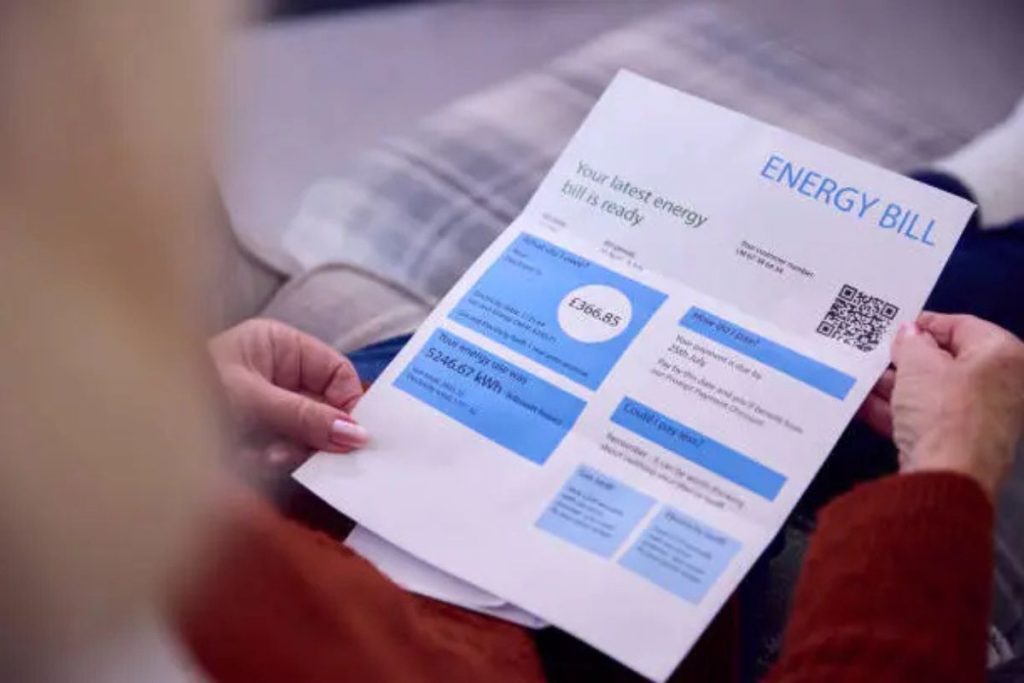

Start by examining your electricity bills over the past year to identify seasonal variations and average daily usage. This baseline information becomes the foundation for calculating backup power requirements and renewable energy system sizing. Knowledge of your consumption habits also reveals opportunities for efficiency improvements that reduce overall energy needs.
Building Reliable Backup Systems
Power outages are becoming increasingly common due to extreme weather events and aging infrastructure. Smart homeowners are investing in backup power systems that keep essential appliances running during grid failures. Modern backup generators offer automatic operation, switching seamlessly from grid power to backup when outages occur.

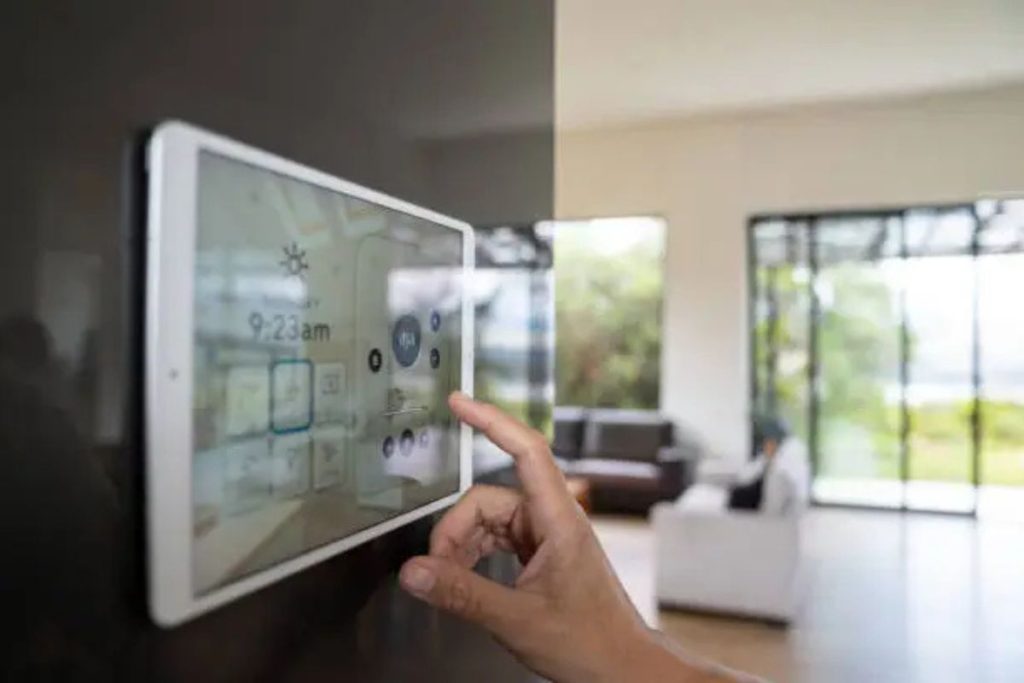
Fuel storage considerations play a crucial role in backup system reliability. Proper fuel storage ensures your generator operates when needed most. Installing appropriate Plastic diesel tanks provides secure, long-term fuel storage that maintains generator readiness while meeting safety regulations and proper environmental standards.
Maximising Energy Efficiency First
Before investing in generation equipment, focus on reducing energy waste throughout your home. LED lighting, smart thermostats, and energy-efficient appliances dramatically reduce power requirements while improving comfort levels. These improvements make backup systems more effective and renewable energy installations more economical.
Insulation upgrades often provide the highest return on investment, reducing heating and cooling loads year-round. Sealing air leaks, upgrading windows, and adding insulation can cut energy consumption by 30% or more in older homes. These improvements benefit every energy system you install afterward.
Exploring Renewable Energy Options
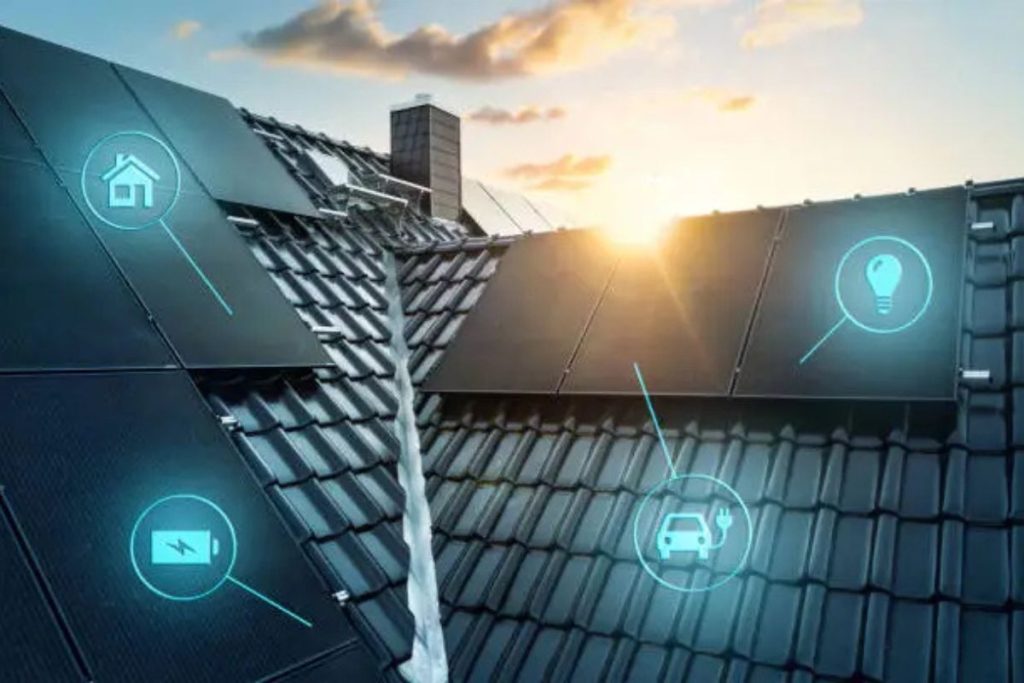
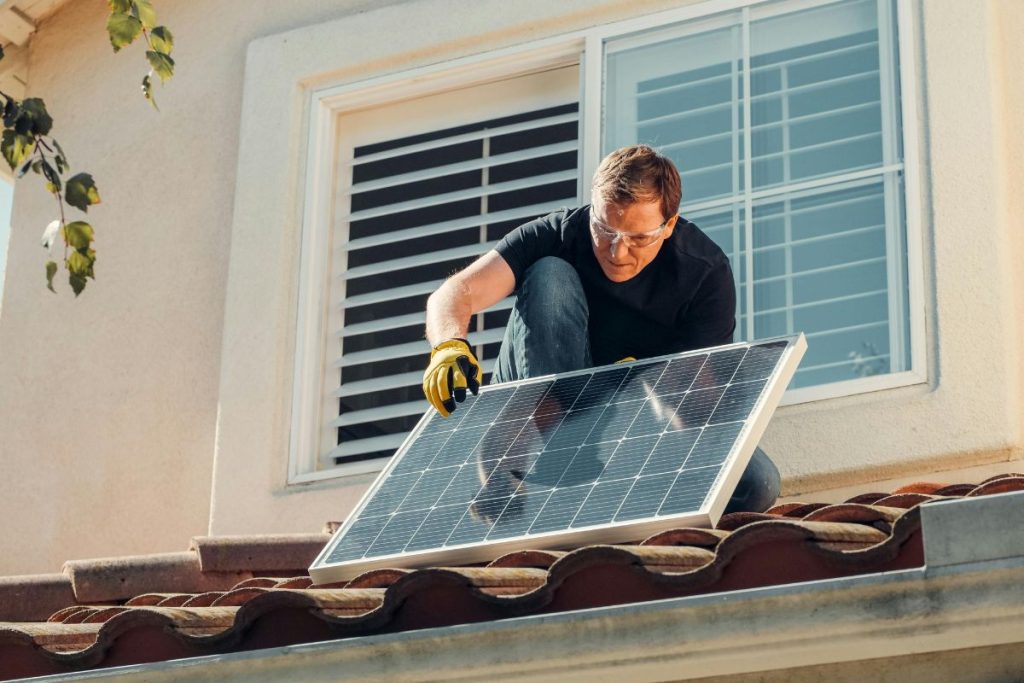
Solar panels have become incredibly affordable and efficient, making renewable energy accessible to most homeowners. Battery storage systems complement solar installations by storing excess energy for use during nighttime hours or cloudy days. This combination provides genuine energy independence for many households.
Wind power and micro-hydro systems offer alternatives in areas with appropriate conditions. These renewable sources can supplement solar installations or serve as primary power sources where solar isn’t optimal.
Creating Your Independence Plan
Start your energy independence journey by setting realistic goals and timelines. Phase installations to spread costs over time while building capabilities progressively. Begin with efficiency improvements, add backup power capabilities, then incorporate renewable energy sources as budget allows.
Remember that energy independence is a journey, not a destination. Each improvement builds upon previous investments, creating a more resilient and cost-effective home energy system that protects your family while reducing long-term expenses.
Images supplied courtesy of unsplash.com and pexels.com










1 thought on “Home Energy Independence: Your Path to Security and Savings”
Comments are closed.