Deepfake technology has gained notoriety for its misuse, yet it also has the potential to enhance online experiences in positive ways. From video editing to immersive entertainment, these tools allow creators to experiment with visual storytelling that was previously unimaginable.
Whether it is producing realistic animations or simulating historical figures for educational purposes, deepfakes can expand the boundaries of creative content. Platforms across social media and streaming services are beginning to explore how these realistic simulations can engage audiences more effectively, providing a level of immersion and interaction that traditional video often cannot achieve.
Boosting Interactive Media
In gaming and interactive media, deepfakes can transform character design and storytelling. Developers can generate realistic avatars or simulate lifelike responses from virtual characters. This technology enables more personalised experiences, allowing users to interact with content in ways that feel authentic and reactive. Beyond gaming, deepfakes are being used in advertising and marketing campaigns to create dynamic visual content tailored to individual users, making digital interaction more engaging and memorable. The ability to replicate human expressions and motion can increase user engagement and even provide educational or training tools with greater realism.
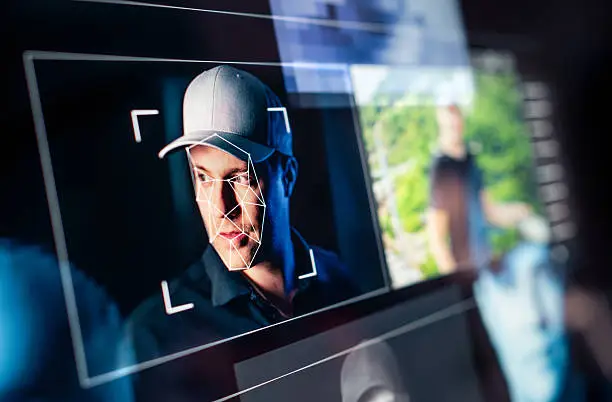
Deepfake technology is also finding its way into virtual casino environments. Platforms like casinos not on gamstop are exploring how deepfakes can enhance the immersion of live dealer games. By generating realistic dealer avatars and interactive table environments, these online casinos offer players a sense of presence similar to visiting a physical casino. Users are drawn to these sites for their innovative approach, engaging visuals, and the freedom they provide compared to more traditional platforms. The combination of realistic visuals and live interactivity is gradually reshaping expectations around online gaming experiences.
Personalised Video Content
Deepfakes are also useful for personalising content on social media and streaming platforms. Users can see themselves or familiar faces in films, advertisements, or educational videos, which increases engagement and relatability. Brands are beginning to use this technology to customise experiences for audiences, creating a more immersive and memorable interaction. Such tools also allow creators to experiment with new narratives or scenarios without needing costly reshoots, reducing barriers to creative production while maintaining high-quality visuals.
Interactive Marketing Campaigns
Brands are increasingly using deepfakes for marketing campaigns to create interactive experiences that respond to users’ actions. This can involve simulating personalised advertisements, virtual try-ons, or immersive product demonstrations. By using realistic human simulations, companies can build stronger connections with audiences, enhancing brand recall and engagement. Such campaigns provide insights into user preferences while delivering a captivating visual experience.
Improving Accessibility
Deepfakes can enhance accessibility for users with disabilities. For example, lip-syncing technology can improve speech readability in videos, while visual adaptations can make content easier to follow for individuals with hearing or visual impairments. This form of adaptation creates inclusive experiences, enabling more people to enjoy and interact with digital media. By integrating realistic avatars or automated visual cues, deepfakes can bridge communication gaps and provide a richer online environment for all users.
Virtual Training and Simulation
Deepfake technology also has applications in professional training. Realistic avatars and simulated scenarios allow employees to practice customer service, safety protocols, or technical skills in a controlled environment. By replicating realistic interactions, companies can provide training without the constraints of physical presence. This method improves learning outcomes while saving resources, illustrating how deepfakes can be applied responsibly in practical contexts.
Future Prospects
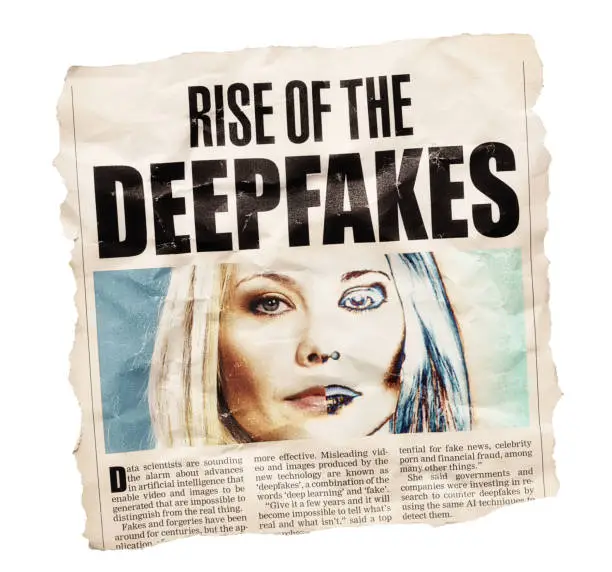
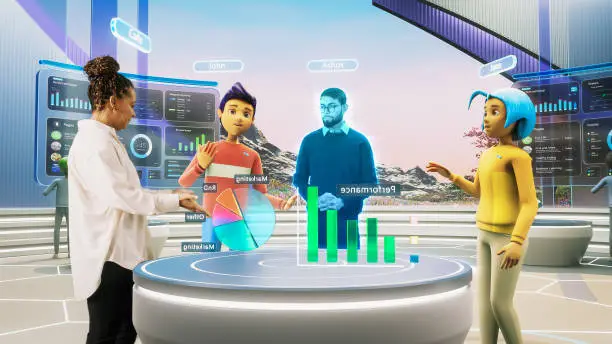
Looking ahead, deepfakes are likely to become even more integrated into online experiences. As AI improves, the realism and interactivity of these simulations will increase, offering users more immersive, personalised, and engaging content. Industries from entertainment to education and gaming are exploring the potential of this technology to enhance experiences and expand creative possibilities.
Balancing Innovation and Ethics
While deepfakes offer exciting opportunities, creators and users must remain mindful of ethical considerations. Responsible use ensures that the technology enhances experiences without causing harm or misinformation. By focusing on positive applications, deepfakes can become a tool for innovation, creativity, and improved user engagement across multiple sectors.
Conclusion
Deepfake technology, when used responsibly, has the power to transform digital experiences. From immersive gaming environments and personalised media to educational simulations and interactive marketing, it offers a wide range of benefits. As platforms and creators continue to experiment with realistic visual and interactive content, audiences can expect a richer and more engaging online environment in the years to come.
Images courtesy of unsplash.com and pexels.com