The construction industry stands at a critical juncture where environmental responsibility meets business opportunity. For any progressive fit out company, embracing circular economy principles isn’t just about sustainability credentials—it’s about positioning for long-term success in an evolving marketplace. As clients increasingly demand environmentally conscious solutions, fit out companies that master circular practices will gain significant competitive advantages whilst contributing to meaningful environmental change.
The traditional linear approach of “take-make-dispose” is rapidly becoming obsolete in the fit-out sector, where projects typically generate substantial waste and consume extensive resources. Forward-thinking fit out companies are recognising that circular economy principles offer a pathway to reduced costs, enhanced client relationships, and improved environmental outcomes.
Understanding Circular Economy for Fit Out Companies
The circular economy represents a fundamental shift from wasteful linear processes to regenerative systems where materials maintain their highest value for extended periods19. For a modern fit out company, this means reimagining every aspect of project delivery—from initial design concepts through to end-of-life material management.
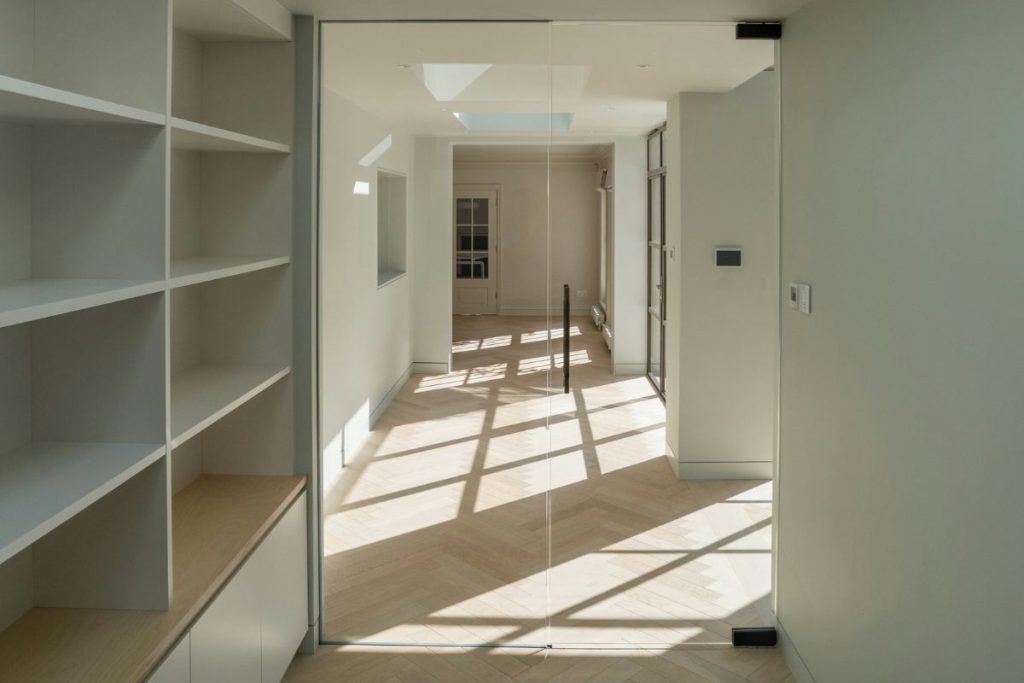
Unlike traditional approaches that treat waste as inevitable, circular economy thinking positions a fit out company to prevent waste before it occurs, creating closed-loop systems where materials continuously circulate rather than becoming disposal problems. This systemic approach requires fit out companies to consider the entire lifecycle of materials and components from the earliest planning stages.
Core Principles for Modern Fit Out Companies
Eliminate Waste and Pollution
The first principle challenges every fit out company to design out waste from the beginning of each project. This involves selecting materials based on their entire lifecycle impact and implementing construction methodologies that minimise off-cuts and surplus materials.
Successful fit out companies are achieving remarkable results through pre-fabrication techniques and precise material calculations. Advanced digital tools like Building Information Modelling enable accurate quantity surveying, reducing over-ordering that traditionally contributes to construction waste. Smart procurement strategies ensure materials arrive exactly when needed, eliminating storage waste and damage.
Circulate Materials at Highest Value
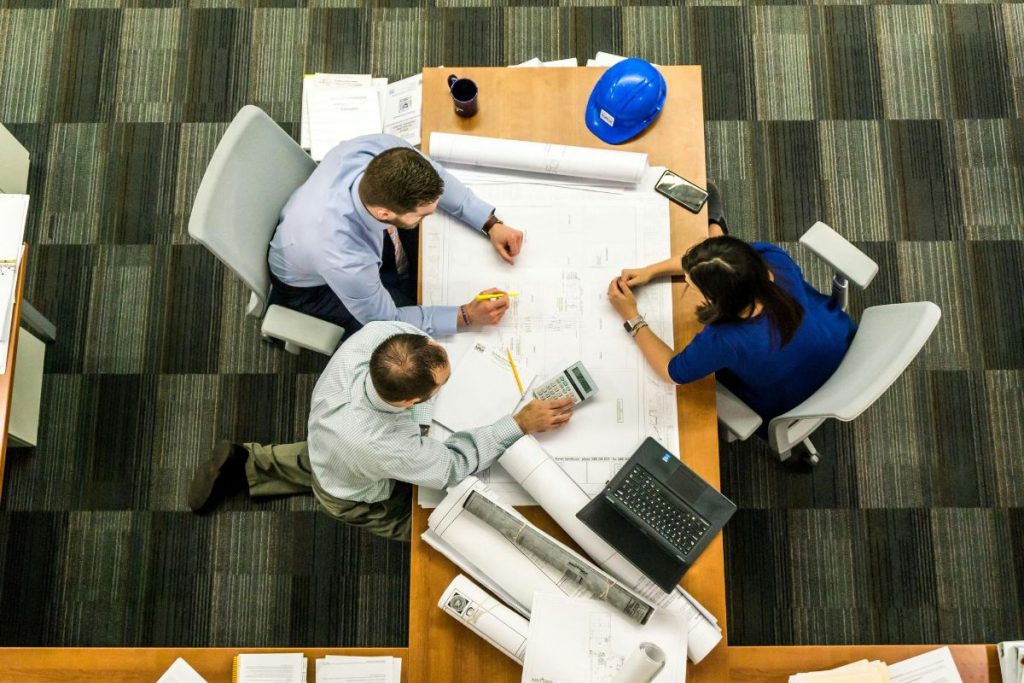
Progressive fit out companies prioritise reusing existing materials and components wherever possible, extending their functional lifespan through creative applications. This principle has proven particularly effective in office relocations and refurbishments, where up to 80% of partitions and raised access flooring can be successfully reused.
The UK Green Building Council emphasises maximising reuse through furniture refurbishment, partition repurposing, and building services redeployment. Leading fit out companies are establishing material recovery networks, where components from one project become valuable resources for another, creating continuous material circulation.
Regenerate Natural Systems
The third principle positions fit out companies as active contributors to environmental restoration through renewable material selection and carbon-negative practices. This involves specifying responsibly sourced timber that acts as carbon storage, selecting materials with minimal environmental impact, and incorporating renewable energy systems into workspace designs.
Practical Implementation Strategies
Successful circular implementation requires fit out companies to adopt systematic approaches throughout project lifecycles. Pre-demolition audits have become essential tools, enabling material identification and recovery planning before work commences. These assessments help fit out companies maximise reuse opportunities whilst providing clients with transparent sustainability reporting.
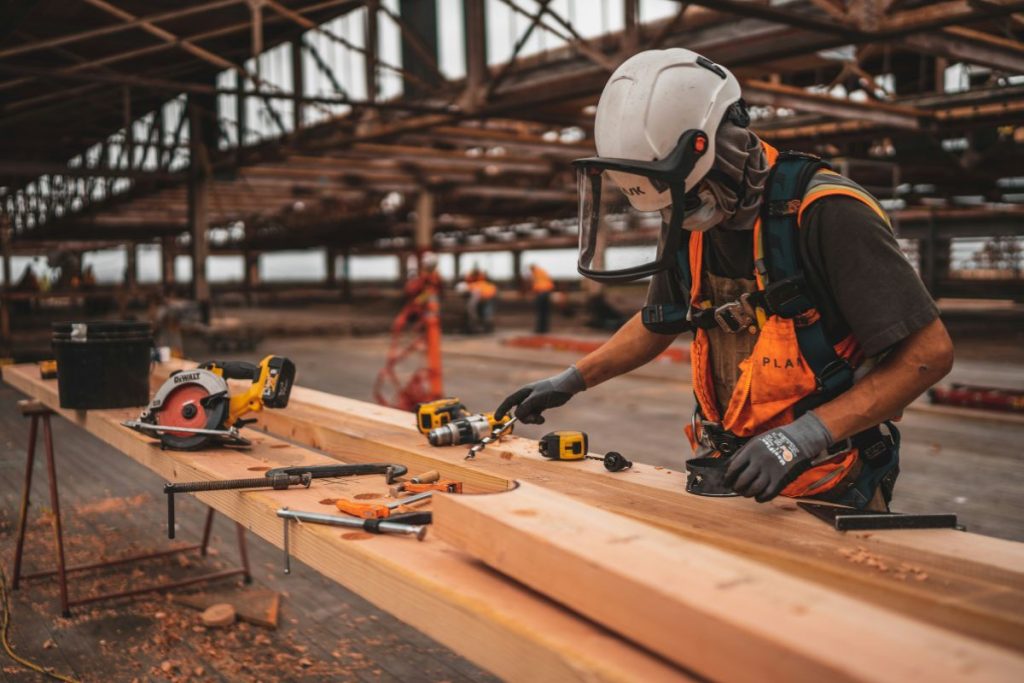
Material passports represent another breakthrough innovation, allowing fit out companies to create detailed databases of installed materials for future reuse. These digital records facilitate urban mining, where buildings become material banks for subsequent projects, dramatically reducing the need for virgin resources.
Modular design principles enable fit out companies to create flexible, adaptable spaces that evolve with client needs without generating waste. Components designed for easy disassembly and reconfiguration provide clients with long-term flexibility whilst maintaining material value.
Benefits for Progressive Fit Out Companies
Adopting circular practices delivers substantial competitive advantages for forward-thinking fit out companies. Cost savings emerge through reduced material purchases and disposal fees, with some projects achieving £5,000,000 in combined savings. These financial benefits strengthen client relationships and improve project profitability.
Enhanced brand reputation positions environmentally conscious fit out companies favourably with increasingly sustainability-focused clients. Corporate customers actively seek fit out companies that align with their environmental commitments, creating market differentiation opportunities.
Risk mitigation represents another significant benefit, as circular practices reduce dependency on volatile material markets and strengthen supply chain resilience. Fit out companies with established reuse networks enjoy greater project predictability and resource security.
Future-Proofing Your Fit Out Company
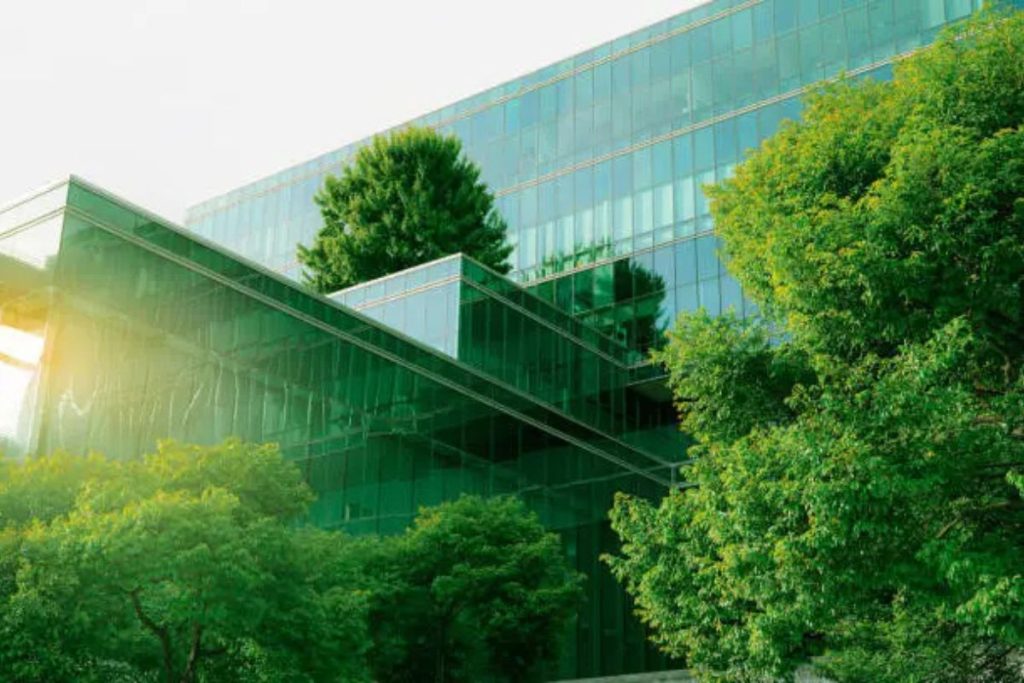
The regulatory landscape increasingly favours circular approaches, with forthcoming Net Zero Carbon Building Standards establishing strict embodied carbon limits. Fit out companies that establish circular capabilities today position themselves advantageously for tomorrow’s requirements.
Technology integration through AI-powered material tracking and digital marketplace platforms enables efficient resource matching between projects. Progressive fit out companies are investing in these technologies to optimise material flows and identify reuse opportunities automatically.
Circular economy principles represent the future of responsible construction, offering fit out companies pathways to enhanced profitability, client satisfaction, and environmental stewardship simultaneously.
Images courtesy of unsplash.com and pexels.com