When it comes to something as important as writing your will, you want to make sure that you avoid mistakes. Mistakes in a will can lead to confusion and conflict when the time comes to divide your estate, so it is helpful to be aware of the most common mistakes and how they can be avoided so that your wishes are respected.
Read on to find out more if you are writing your will.
1. Neglecting to Update Your Will After Significant Life Events

One of the most common mistakes is not updating your will after a significant life event, such as marriage, divorce, the birth of children or grandchildren, buying or selling property, or a change in financial circumstances. Failing to update can lead to unintended consequences with assets potentially going to unintended beneficiaries or even falling under intestacy rules. Probate solicitors’ expertise can help navigate the complexities of real estate distribution if a will is absent or poorly drafted.
2. Failing to Understand the Rules of Intestacy
Many people assume their assets will automatically go to their closest relatives. However, without a valid will, strict legal rules known as the “rules of intestacy” dictate how your estate is distributed. These rules may not align with your wishes, particularly for unmarried partners, stepchildren, or those with complex family structures.
3. Overlooking Inheritance Tax (IHT) Implications
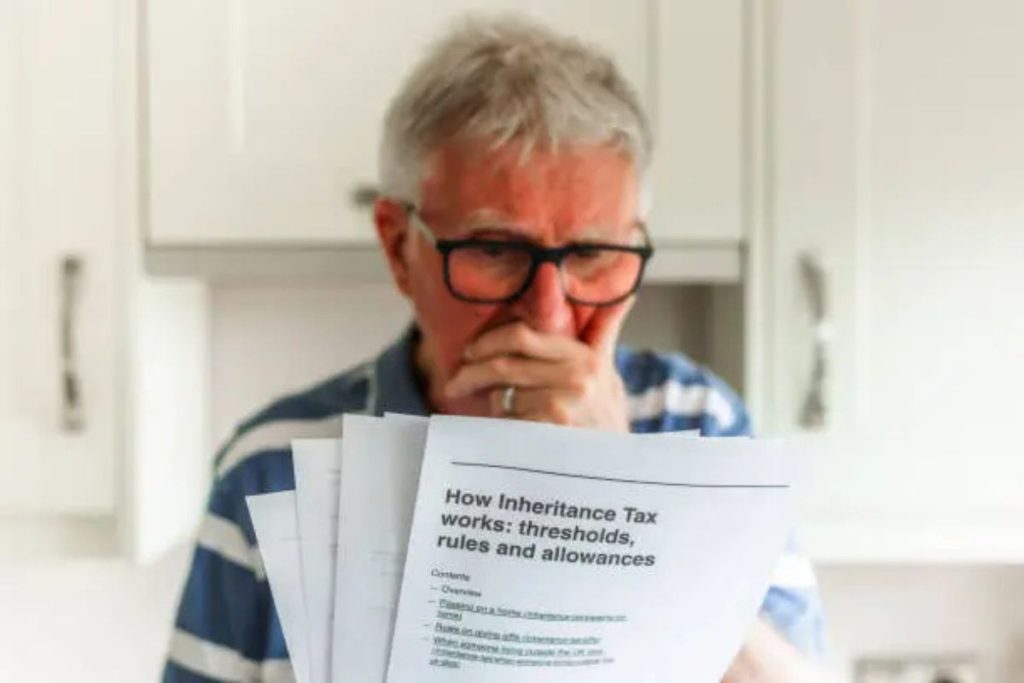
You must also consider inheritance tax when planning an estate. While the nil-rate band and residence nil-rate band offer some exemptions, many estates still face IHT. Careful planning, including potentially charitable giving, can mitigate IHT. There were also recent changes to inheritance tax from April 6th, 2025, which will shift from a domicile-based system to a residence-based one, potentially impacting non-domiciled individuals residing in the UK.
4. Not Appointing or Properly Briefing Executors & Guardians
Choosing the right executors to administer your estate and, if applicable, guardians for your minor children is crucial. Executors need to be willing, capable, and not too close to the situation, while clear instructions should be given to guardians regarding the upbringing and care of children.
5. Neglecting the Importance of Lasting Powers of Attorney (LPAs)
While not strictly part of a will, failing to put Lasting Powers of Attorney in place is a common estate planning oversight. LPAs allow you to appoint trusted individuals to make decisions about your health and welfare, and property and financial affairs, should you lose mental capacity. This is critical for ensuring your wishes are respected during your lifetime, complementing the provisions of your will.
These are five of the most common mistakes that people make when it comes to writing their wills. You want to make sure that your affairs are in order to avoid confusion and conflict when the time comes to divide your estate, so you need to make sure that you avoid these mistakes and that your estate is managed as you wish.
Images courtesy of unsplash.com and pexels.com