The body positivity movement has undeniably made significant strides in the UK and globally, advocating for the acceptance of all body types and challenging restrictive beauty norms. This shift has offered a welcome antidote to the pressures of conforming to often unattainable aesthetic ideals and has positively impacted mental well-being.
However, with the UK grappling with escalating rates of obesity and associated health issues, a vital discussion has surfaced: How can we champion body positivity while acknowledging the genuine concerns of physical health? This article delves into this complex interplay, seeking to reconcile body acceptance with the pursuit of wellness.
Understanding Body Positivity
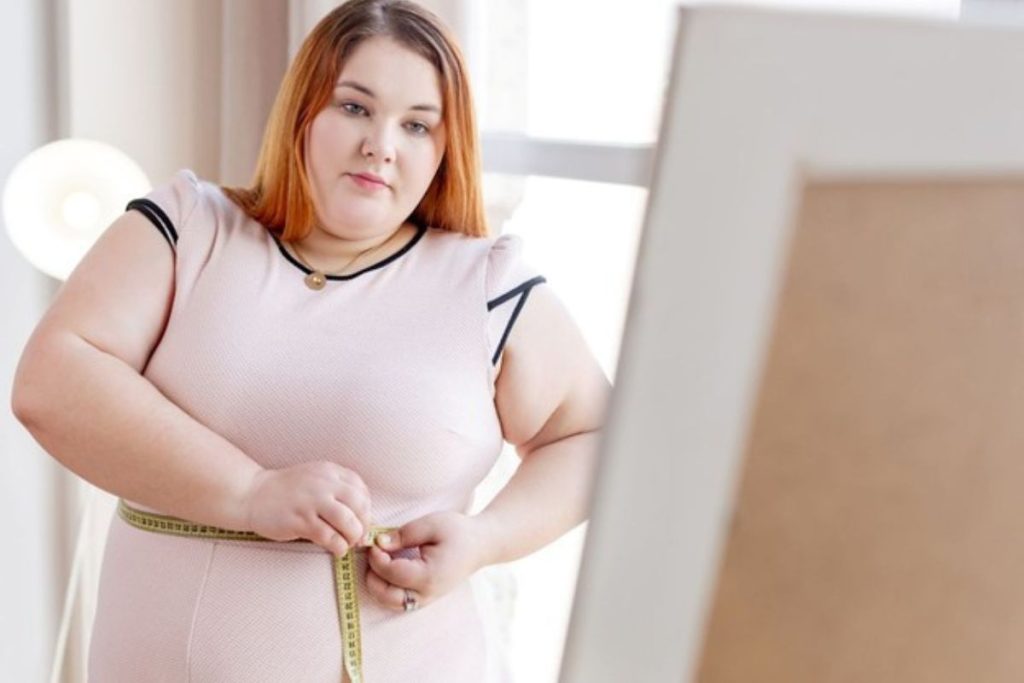
What is Body Positivity?
At its heart, body positivity is a social and cultural phenomenon that encourages individuals to embrace their bodies, irrespective of size, shape, or physical characteristics. It challenges conventional, often narrow, beauty standards, promoting the idea that self-worth is not tied to physical appearance. The movement strives to empower everyone to feel secure and confident in their own skin, free from societal judgment.
Mental Health Benefits
Substantial evidence indicates that adopting a body-positive mindset can significantly enhance mental health. Benefits include bolstered self-esteem, diminished anxiety levels, and a lower incidence of depressive symptoms. When people cultivate a positive relationship with their bodies, they are often more inclined to engage in acts of self-care and adopt healthier lifestyle patterns, thereby fostering overall psychological wellness. Particularly for younger generations navigating the complexities of social media, body positivity can act as a crucial protective factor against damaging comparisons and unrealistic portrayals of beauty.
Inclusivity and Representation
While the intentions of body positivity are laudable, the movement has sometimes been critiqued for a perceived lack of comprehensive diversity. Critics point out that its mainstream representation has occasionally focused more on individuals who are young, able-bodied, and fit within a more conventionally acceptable range of appearances, even if larger. For body positivity to be truly effective and authentic, it must genuinely encompass and celebrate individuals of all ages, genders, racial and ethnic backgrounds, abilities, and body types, reflecting the true diversity of the human form.
Health Reality: The UK Context
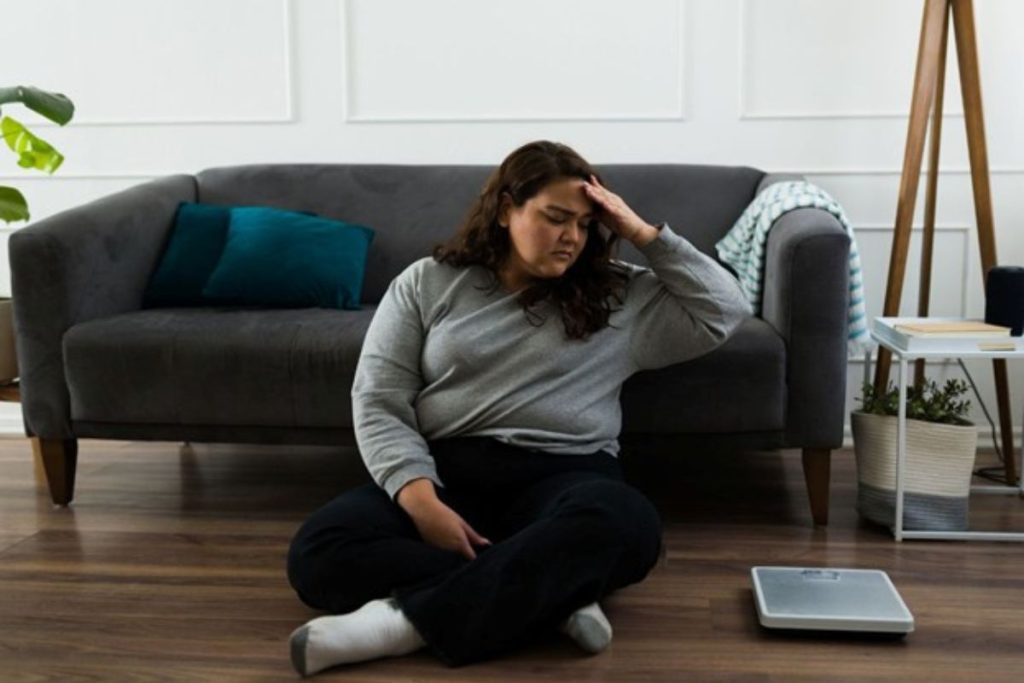
Obesity in the UK
Obesity presents a formidable public health challenge in the United Kingdom. Data from 2021 indicated that approximately 64% of adults were categorised as either overweight or obese, with these figures showing a concerning upward trend across both adult and child populations. The implications for health are profound, encompassing a heightened risk of developing conditions such as type 2 diabetes, cardiovascular disease, various forms of cancer, and a potential reduction in overall life expectancy.
Impact on Physical Health
A higher Body Mass Index (BMI) is robustly associated with an increased likelihood of developing numerous chronic health problems. For instance, individuals classified as obese face:
- A fivefold increase in the risk of developing type 2 diabetes.
- More than a 2.5-fold increase in the likelihood of high blood pressure.
- A threefold increase in the risk of colon cancer.
Mental Health and Body Image
Body dissatisfaction is a prevalent issue that can exert a considerable negative influence on mental well-being, potentially leading to conditions like depression and anxiety, as well as fostering unhealthy dietary practices and eating disorders. The interplay between body image, whether positive or negative, and overall psychological health is strong, underscoring the necessity for an integrated approach that values both mind and body.
Body Positivity vs. Health Reality
Critiques of Body Positivity
Some observers contend that the body positivity movement, despite its positive intentions, might unintentionally obscure or minimise the significant health risks associated with carrying excess body weight. A concern exists that an emphasis on unconditional acceptance could potentially deter individuals from seeking necessary medical advice or making lifestyle changes to address health conditions related to obesity.
Stigma and Weight Bias
Conversely, the impact of weight-related stigma and discrimination cannot be overstated. Such biases can inflict considerable psychological harm, contributing to poorer mental health outcomes and, paradoxically, discouraging the adoption of healthy behaviours. The Health at Every Size (HAES) framework offers an alternative perspective, advocating for a comprehensive view of health that prioritises well-being and healthy behaviours over a specific weight or body size. HAES challenges the assumption that body size is a definitive proxy for an individual’s health status.
Finding the Middle Ground
The crucial challenge lies in decoupling self-worth from physical appearance while simultaneously encouraging health-promoting behaviours. Embracing body positivity should not equate to disregarding genuine health concerns, just as health initiatives should not resort to shaming or stigmatising individuals based on their body size. The objective should be to cultivate supportive environments where everyone feels empowered and equipped to pursue wellness without the fear of judgment or discrimination.
Bridging the Gap: Practical Approaches
Body Neutrality and Acceptance
Body neutrality presents a valuable alternative or complementary concept, encouraging individuals to respect their bodies for their functionality and capabilities rather than focusing primarily on their aesthetic appearance. This perspective can empower individuals to appreciate what their bodies allow them to do, thereby facilitating the adoption of healthy habits without the undue pressure of conforming to a specific visual ideal.
Promoting Healthy Behaviours for All
Encouraging a balanced and nutritious diet, participation in enjoyable forms of physical activity, and consistent self-care practices offers benefits to everyone, irrespective of their current body size or shape. Health promotion efforts must be inclusive, offering support and resources without resorting to stigma. It’s vital to recognise that true well-being is multifaceted, encompassing both physical vitality and mental-emotional equilibrium.
The Role of Society and Policy
Public health strategies and campaigns bear the responsibility of striking a careful balance: raising awareness about the health risks linked to conditions like obesity, while simultaneously fostering body acceptance and positive self-image. This requires tangible actions, such as investing in readily accessible healthcare services, tackling the systemic drivers of obesity (including food environments and socioeconomic disparities), and actively promoting diverse and positive body representations through educational initiatives and media channels.
Comparison Table: Body Positivity vs. Health Reality
| Aspect | Body Positivity | Health Reality |
| Core Message | All bodies are inherently valuable and deserve acceptance. | Excess body weight is linked to increased health risks. |
| Mental Health Impact | Aims to improve self-esteem and reduce anxiety. | Body dissatisfaction can contribute to poor mental health. |
| Physical Health Focus | Emphasis on self-love and acceptance, less on weight. | Focus on weight management for disease risk reduction. |
| Criticisms | May risk downplaying genuine health concerns. | Can lead to weight stigma and shame if poorly communicated. |
| Ideal Approach | Fostering self-care and acceptance for everybody. | Promoting evidence-based health choices without stigma. |
Expanding the Conversation
Media Influence and Public Perception
The media wields considerable influence in shaping societal attitudes towards body image. Meaningful representation is key; showcasing a diverse array of body types in advertising, entertainment, and social media platforms can help normalise different physiques, thereby diminishing stigma and fostering broader acceptance.
Education and Early Intervention
Educational institutions and community-based programmes have a vital role in cultivating positive body image from an early age. Curriculum content that teaches children about balanced nutrition, the joy of movement, and the principles of self-acceptance can establish a robust foundation for lifelong healthy habits and a constructive relationship with their bodies.
Challenges and Opportunities

Addressing the Root Causes of Obesity
It is crucial to understand that obesity is rarely a simple consequence of individual choices. It is a complex issue influenced by a confluence of genetic predispositions, environmental factors, and socioeconomic determinants. Effectively addressing obesity requires systemic interventions, including improving access to affordable, nutritious food; creating safe and inviting environments for physical activity; and implementing policies designed to reduce health inequalities.
Balancing Acceptance and Responsibility
Navigating the balance between accepting one’s body as it is and taking proactive responsibility for one’s health is a deeply personal and often ongoing journey. It is important to acknowledge that the path to wellness is unique for each individual, and strategies that are effective for one person may not be suitable for another.
The Role of Healthcare Professionals
Healthcare providers are pivotal in supporting patients’ overall health, encompassing both physical and mental dimensions. By adopting a compassionate, empathetic, and non-judgemental approach, clinicians can help individuals feel respected and motivated to make positive lifestyle changes, free from shame or blame.
Conclusion
The dialogue surrounding body positivity and health reality is not a matter of choosing one perspective over the other; rather, it is about forging a sustainable and harmonious integration of both. Authentic wellness is inherently holistic, encompassing self-acceptance alongside proactive health management. For the UK, currently contending with both rising obesity levels and prevalent body image concerns, the path forward involves championing self-love and respect in tandem with accessible, non-judgmental health support and resources. By successfully bridging this perceived gap between acceptance and wellness, we can cultivate a society where every individual feels empowered to flourish—physically, mentally, and emotionally.
Images courtesy of unsplash.com and pexels.com