Fuel tanks play a critical role in numerous industries, from automotive and aerospace to energy and manufacturing.
These essential components are more than mere containers; they represent the culmination of advanced engineering principles designed to ensure safety, efficiency, and durability.
The Importance of Fuel Tanks
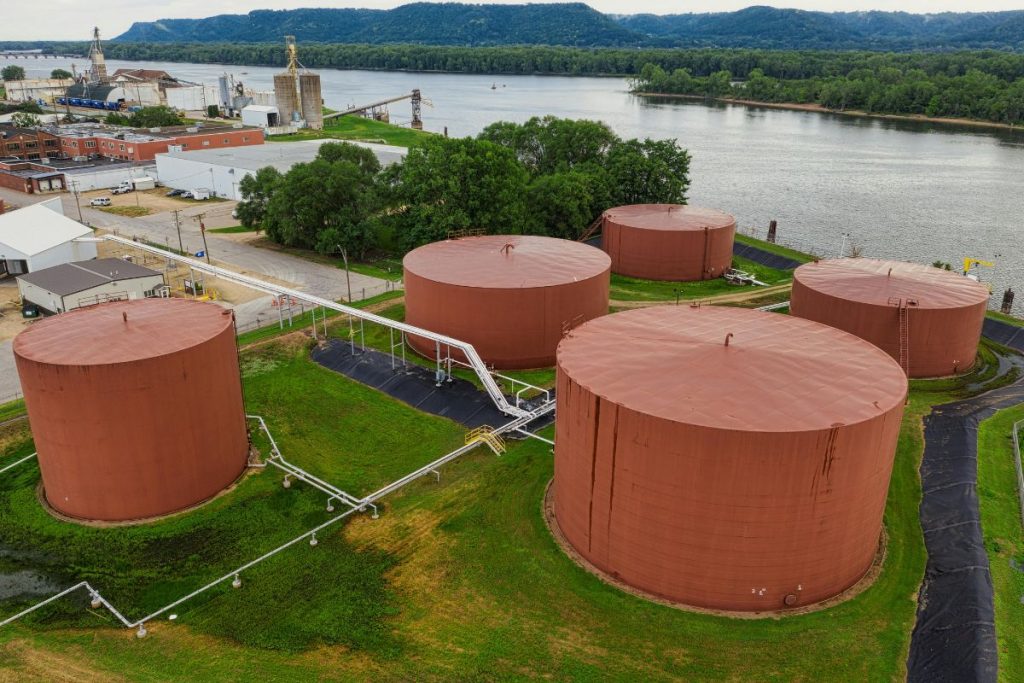
Fuel tanks are designed to safely store and transport fuels, such as petrol, diesel, or aviation fuel, under a variety of conditions, and you can find reliable options among fuel tanks for boats for sale. A well-engineered fuel tank not only preserves the integrity of the fuel but also minimises environmental risks. Modern designs often incorporate features to reduce emissions, prevent leaks, and withstand extreme conditions, making them indispensable in today’s energy-conscious world.

Engineering Principles Behind Fuel Tanks
The design and manufacture of fuel tanks involve a combination of material science, structural engineering, and safety regulations. Some key considerations include:
Material Selection:
Fuel tanks can be constructed from a variety of materials, including steel, aluminium, and high-density plastics. Each material offers specific benefits: * Steel: Known for its strength and durability, often used in industrial applications. * Aluminium: Lightweight and resistant to corrosion, making it ideal for automotive and aerospace industries. * Plastic: Cost-effective and versatile, with excellent corrosion resistance.
Structural Integrity:
Engineers must ensure that tanks can withstand internal pressures, external impacts, and environmental stresses. Finite Element Analysis (FEA) is frequently employed to simulate stress and strain, optimising designs before production.
Safety Features:
Advanced designs include features such as baffles to reduce fuel sloshing, pressure relief valves to prevent over-pressurisation, and double-wall construction to minimise leak risks.
Regulatory Compliance:
Adherence to standards such as the Environmental Protection Agency (EPA) regulations and British Standards (BS EN 12285) is critical. These regulations ensure fuel tanks meet safety and environmental requirements.
Fuel Tank Installation: A Critical Process
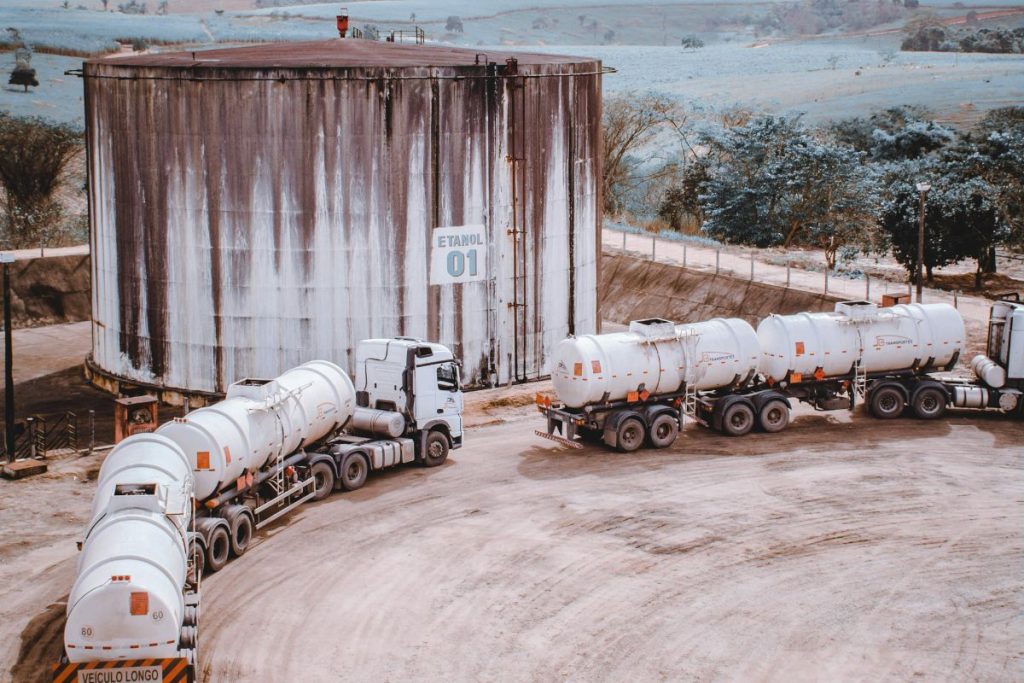
Proper fuel tank installation is as important as the design itself. A poorly installed tank can lead to leaks, contamination, and even catastrophic failures. Here are key aspects of the installation process:
Site Assessment:
Engineering consultants conduct a comprehensive analysis of the installation site. Factors such as soil composition, groundwater levels, and proximity to other infrastructure are evaluated to determine the best installation approach.
Foundation Preparation:
A stable foundation is essential to support the tank’s weight and prevent shifting. This often involves concrete pads or reinforced bases.
Connection Systems:
Properly connecting the tank to piping, vents, and other systems ensures seamless operation. Special attention is paid to sealing connections to prevent leaks.
Testing and Commissioning:
After installation, tanks undergo rigorous testing to verify integrity and functionality. Pressure tests, leak detection, and operational checks are standard practices.
The Role of Engineering Consultants
Engineering consultants play a pivotal role in the lifecycle of fuel tanks, from initial design to ongoing maintenance. Their expertise ensures that every aspect of a project adheres to best practices and regulatory requirements.
Design Optimisation:
Consultants work with clients to understand specific needs, such as storage capacity, operational conditions, and budget constraints. Using this information, they recommend suitable designs and materials.
Project Management:
Overseeing the installation process requires meticulous planning and coordination. Consultants manage timelines, budgets, and contractor teams to ensure a smooth execution.
Risk Mitigation:
By identifying potential risks early, engineering consultants help prevent costly delays and accidents. This includes evaluating environmental impacts and ensuring compliance with all legal requirements.
Maintenance and Inspections:
Post-installation, regular inspections are essential to maintain the tank’s integrity. Consultants often provide maintenance schedules and recommend upgrades to extend the tank’s lifespan.
Innovations in Fuel Tank Engineering
The field of fuel tank engineering continues to evolve, driven by advancements in technology and environmental awareness. Some notable trends include:
Smart Monitoring Systems:
Modern fuel tanks are equipped with sensors that provide real-time data on fuel levels, temperature, and pressure. These systems enhance operational efficiency and help detect issues early.
Sustainable Materials:
Researchers are exploring biodegradable composites and recycled plastics as eco-friendly alternatives to traditional materials.
Modular Designs:
Modular fuel tanks allow for easier transportation and assembly, making them ideal for remote or temporary installations.
Alternative Fuels:
With the rise of renewable energy, fuel tanks are being adapted to store alternative fuels such as hydrogen and biofuels, which require specialised materials and designs.
Images courtesy of unsplash.com and pexels.com