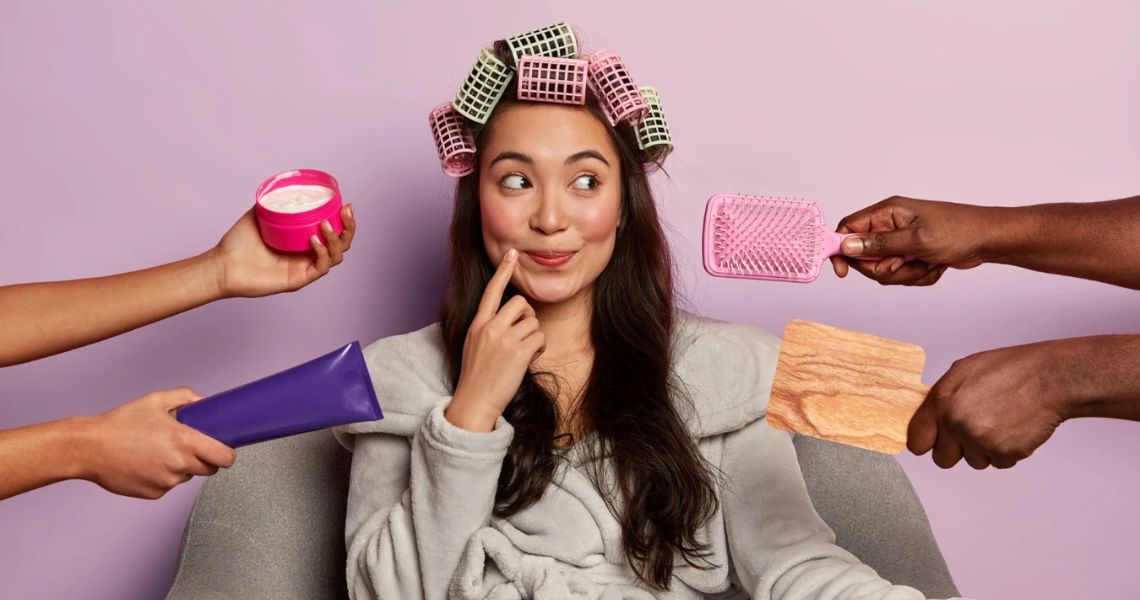
From TikTok tutorials to wellness blogs, natural hair remedies are everywhere right now. Castor oil for growth, aloe vera for shine, coconut oil for strength — and of course, good old olive oil. The appeal is obvious: natural, affordable solutions that promise big results without chemicals or salon prices.
But do these remedies actually deliver? Or are they just another trend that sounds better than it performs? Let’s break down some of the most popular natural hair remedies and separate the facts from the hype.
Castor Oil: The Growth Booster?
Castor oil has become a go-to for people trying to grow thicker, longer hair — especially around the edges. It’s rich in ricinoleic acid, which is thought to help improve circulation and nourish the scalp.
But while it may support scalp health, there’s limited clinical evidence that it directly speeds up hair growth. For some, it helps improve the condition of the hair they already have. For others, it can be too heavy or even clog pores if not used sparingly.
Coconut Oil: The Strengthener
Coconut oil is widely loved for its ability to reduce protein loss in hair. It’s especially popular among people with dry or damaged hair, as it helps retain moisture and leaves strands feeling softer.
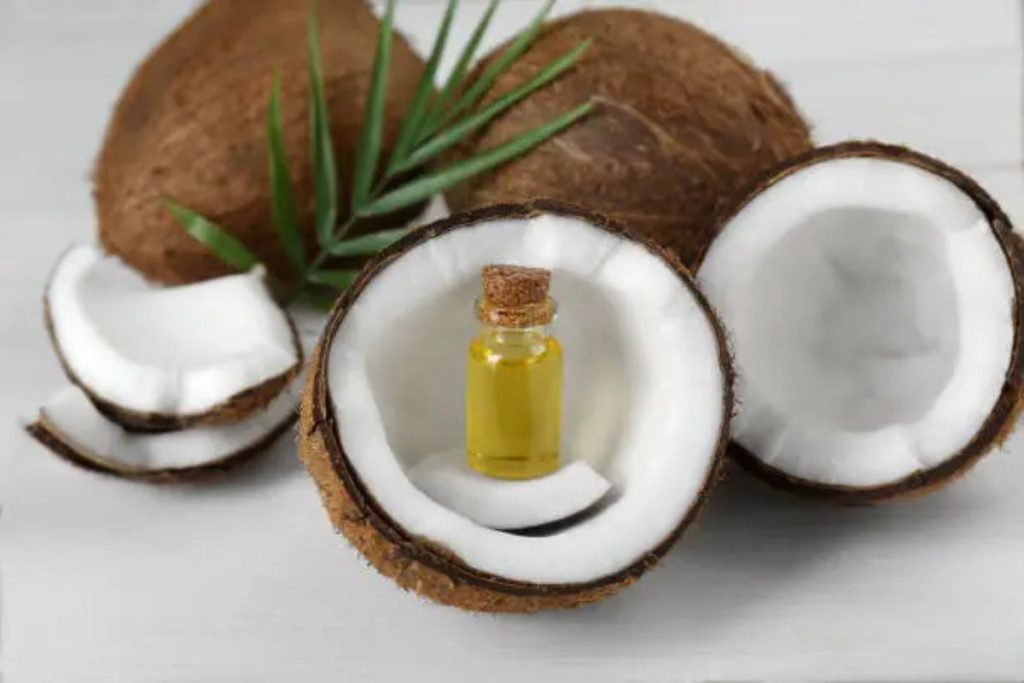
Used before washing, it can offer a protective barrier. But for fine hair types, it can sometimes feel greasy or weigh the hair down. As with most things, moderation is key.
Aloe Vera: The Scalp Soother
Aloe vera isn’t just for sunburns. It’s packed with vitamins and enzymes that can help soothe an itchy scalp and reduce flakiness. Some also use it as a lightweight conditioner or leave-in treatment.
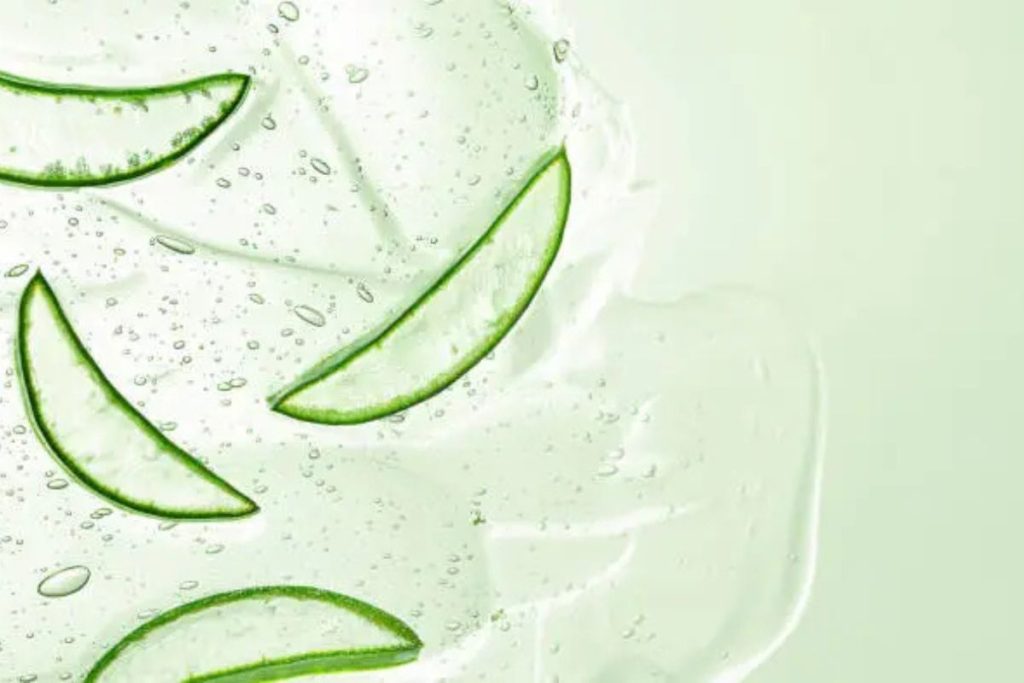
It’s one of the few natural remedies that seems to work well across all hair types, thanks to its hydrating properties and non-greasy feel.
Olive Oil: The Moisture Miracle — or a Myth?
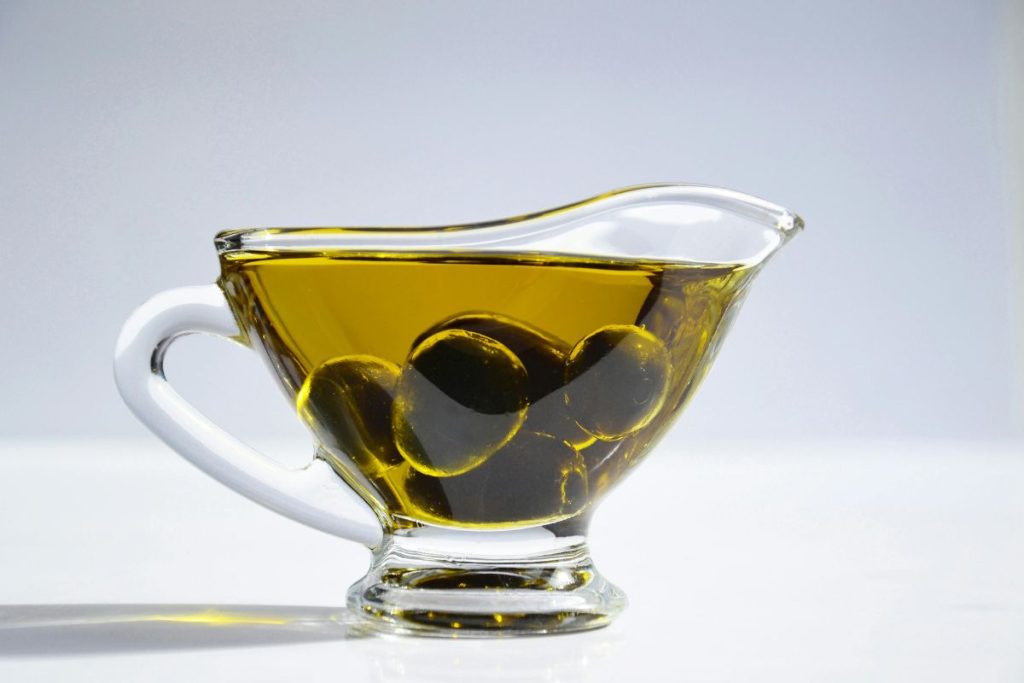
Of all the natural remedies, olive oil is one of the most debated. Some people swear by it for taming frizz and adding shine. Others say it clogs pores and weighs hair down.
So what’s the real story?
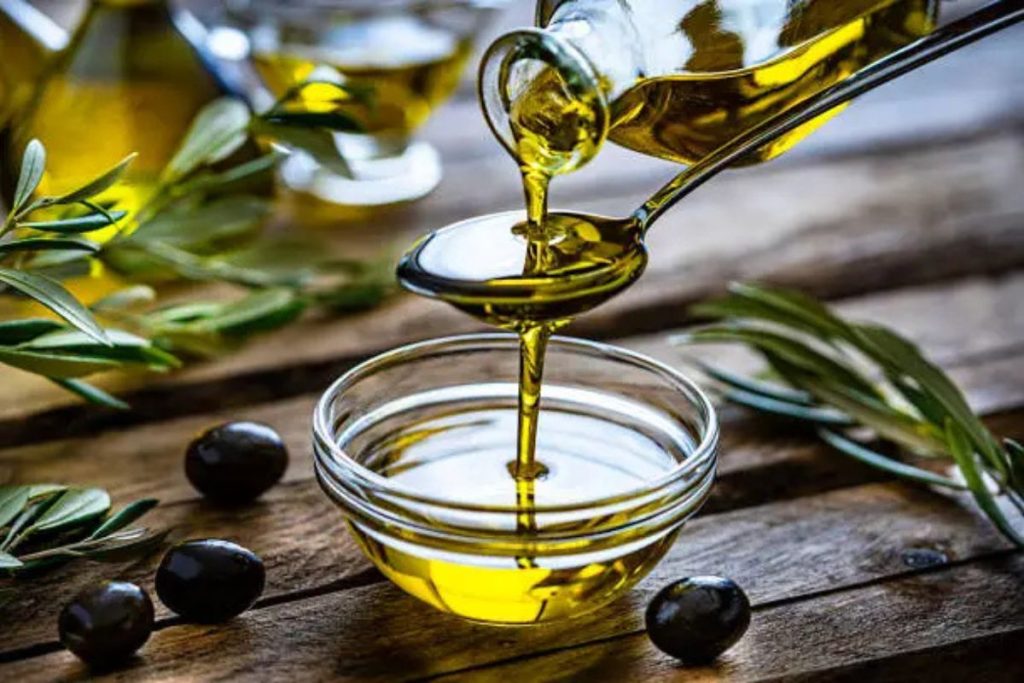
According to recent insights, the truth about olive oil for hair is a bit more nuanced. While olive oil does offer some moisturising benefits, it doesn’t penetrate the hair shaft as deeply as other oils — meaning the effects may be more temporary than transformational. For certain hair types, it can actually do more harm than good.
If you’re considering using olive oil as part of your routine, it’s worth reading up on the pros and cons before you slather it on.
Natural Doesn’t Always Mean Safe
It’s easy to assume that if something’s natural, it’s automatically good for you. But when it comes to haircare, that’s not always the case. Some natural ingredients can irritate the scalp, trigger allergic reactions, or simply not work as intended — especially when used incorrectly or too often.
And while DIY treatments can be fun, they’re not a replacement for evidence-based solutions when it comes to hair loss, thinning, or scalp conditions.
Final Thoughts

Natural hair remedies can absolutely play a role in a healthy routine — especially when chosen with your specific hair type and needs in mind. But not every trend is backed by results, and what works for one person might not work for another.
If you’re exploring natural options, start slow, do your research, and always listen to how your hair responds. Sometimes the simplest approach really is the best — and sometimes, it’s worth calling in the experts.
Images courtesy of unsplash.com and pexels.com