Usually resulting from blockages or kidney disease, hydronephrosis is the disorder whereby the kidneys enlarge from urine accumulation.
Maintaining a good diet supporting kidney function can help to avoid hydronephrosis. Selecting renal-friendly meals helps lower your risk of kidney problems and support general wellness. This page offers detailed, nutrient-dense recipes meant to support renal function.
The Importance of a Kidney-Friendly Diet for Hydronephrosis Prevention
How Nutrition Affects Kidney Health
Prevention of hydronephrosis and other kidney-related problems depends critically on your diet. Foods good for kidneys help lower the risk of kidney stones, urinary tract infections (UTIs), and obstructions causing hydronephrosis. Rich in antioxidants and water, a diet reduced in processed foods, sugar, and sodium helps kidney function.

Key Nutrients for Kidney Health
Certain nutrients play a significant role in maintaining healthy kidney function. These include:
- Antioxidants: Found in berries and leafy greens, they help reduce kidney inflammation.
- Potassium: Regulates fluid balance in the body and supports kidney function.
- Magnesium: Helps prevent kidney stones by reducing calcium buildup.
Step-by-Step Kidney-Friendly Recipes to Prevent Hydronephrosis
Recipe 1 – Cranberry and Spinach Salad
Excellent for avoiding UTIs, which could cause hydronephrosis are cranberries. Together with spinach, a high antioxidant source, this salad is ideal for maintaining kidney function.

Ingredients:
- 1 cup fresh spinach leaves
- ¼ cup dried cranberries (unsweetened)
- ¼ cup chopped almonds
- 1 tbsp olive oil
- 1 tbsp lemon juice
- Pinch of salt (optional)
Steps:
- In a large bowl, combine the spinach leaves, cranberries, and almonds.
- In a separate small bowl, whisk together olive oil, lemon juice, and a pinch of salt.
- Drizzle the dressing over the salad and toss well.
- Serve chilled.
Recipe 2 – Baked Salmon with Lemon and Dill
Rich in omega-3 fatty acids, salmon lowers inflammation and hence supports kidney function. This is a fantastic meal for controlling blood pressure and maintaining renal function since lemon and dill bring taste without adding sodium.
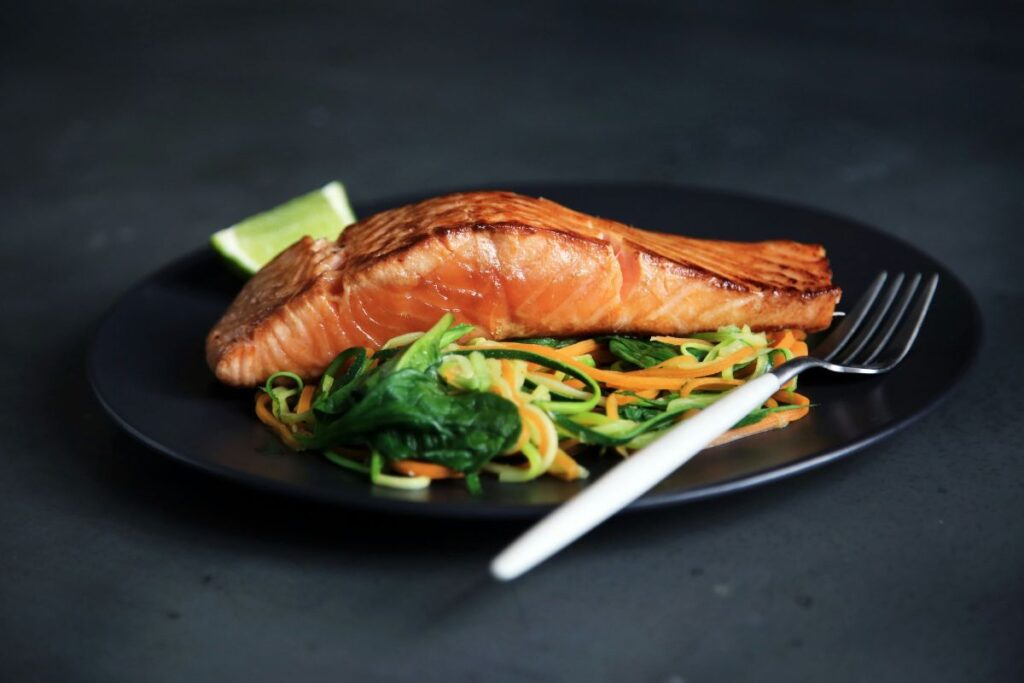
Ingredients:
- 2 salmon fillets
- 1 lemon (sliced)
- 2 tbsp fresh dill
- 1 tbsp olive oil
- ½ tsp black pepper
Steps:
- Preheat the oven to 375°F (190°C).
- Place the salmon fillets on a baking sheet lined with parchment paper.
- Drizzle olive oil over the fillets, then sprinkle with pepper.
- Arrange lemon slices and fresh dill on top of the salmon.
- Bake for 15-20 minutes or until the salmon is cooked through.
- Serve with a side of steamed vegetables or brown rice.
Recipe 3 – Quinoa and Kale Power Bowl
While kale provides a high dosage of vitamins A and C, which are fantastic for lowering kidney inflammation, quinoa is a plant-based protein that is mild on the kidneys.
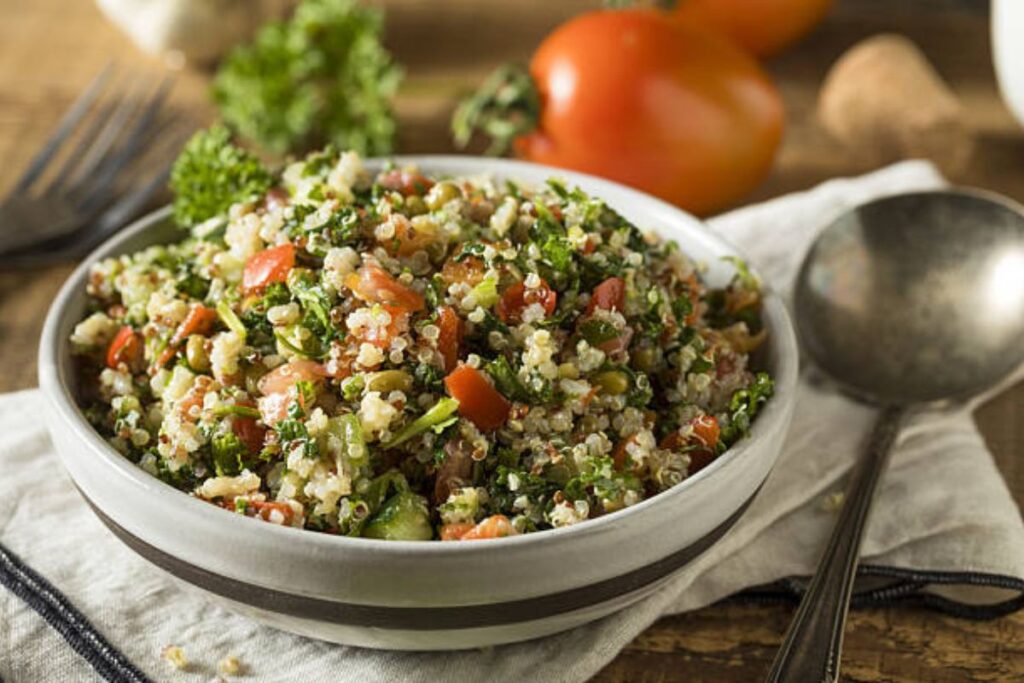
Ingredients:
- 1 cup cooked quinoa
- 1 cup fresh kale (chopped)
- ½ cup diced cucumber
- ½ avocado (sliced)
- 1 tbsp olive oil
- 1 tsp apple cider vinegar
- Salt and pepper to taste
Steps:
- In a large bowl, mix cooked quinoa, kale, cucumber, and avocado.
- In a small bowl, whisk olive oil, apple cider vinegar, salt, and pepper.
- Drizzle the dressing over the quinoa mixture and toss well.
- Enjoy as a healthy lunch or dinner option.
Essential Foods to Include in a Kidney-Friendly Diet
| Food | Kidney Benefits |
| Cranberries | Helps prevent urinary tract infections (UTIs), reducing hydronephrosis risk. |
| Salmon | Rich in omega-3s, reduces kidney inflammation. |
| Quinoa | High in plant-based protein, easy to digest for kidney health. |
| Spinach | Packed with antioxidants to protect kidney cells from damage. |
| Avocados | Provides healthy fats and potassium, supporting kidney function. |
Lifestyle Habits to Support Kidney Health
Stay Hydrated

Preventing hydronephrosis depends largely on proper hydration, as it helps the kidneys discharge toxins and lowers the risk of kidney stones. At Nuffield Kidney Dialysis, maintaining optimal hydration is a key recommendation for kidney health. Make sure to drink at least eight to ten glasses of water daily, adjusting for your environment and level of physical activity.
Limit Sodium and Processed Foods
Too much salt raises blood pressure and taxes the kidneys. Steer clear of packaged and processed foods, which frequently load on sodium and preservatives. Whenever you can, support kidney function and general health by choosing fresh, healthy meals.
Incorporate Regular Exercise

Walking, swimming, and yoga among other physical activities improve circulation and lower the incidence of kidney-related problems. Both of which are vital for kidney function are weight management and blood pressure lowering effects of exercise.
Additional Tips for Hydronephrosis Prevention
Regular Health Checkups
Regular visits let renal problems be found early on. Monitoring your kidneys, blood pressure, and urine health helps you avoid hydronephrosis from becoming a more dangerous illness.
Recognize Early Symptoms

Knowing the early symptoms of hydronephrosis—such as back or side pain, trouble urinating, or frequent UTIs—helps you get quick medical assistance. Avoiding long-term kidney damage depends mostly on early treatments.
In conclusion, starting with a good, kidney-friendly diet and lifestyle, one can prevent hydronephrosis. Including nutrient-dense foods like quinoa, salmon, and cranberries into your meals will help to drastically lower your kidney-related risk. These foods will improve kidney function and general wellness in addition to frequent hydration, exercise, and doctor visits. Incorporate these easy but mouth watering dishes into your daily diet to maintain kidney health and best functioning.
Images courtesy of unsplash.com and pexels.com