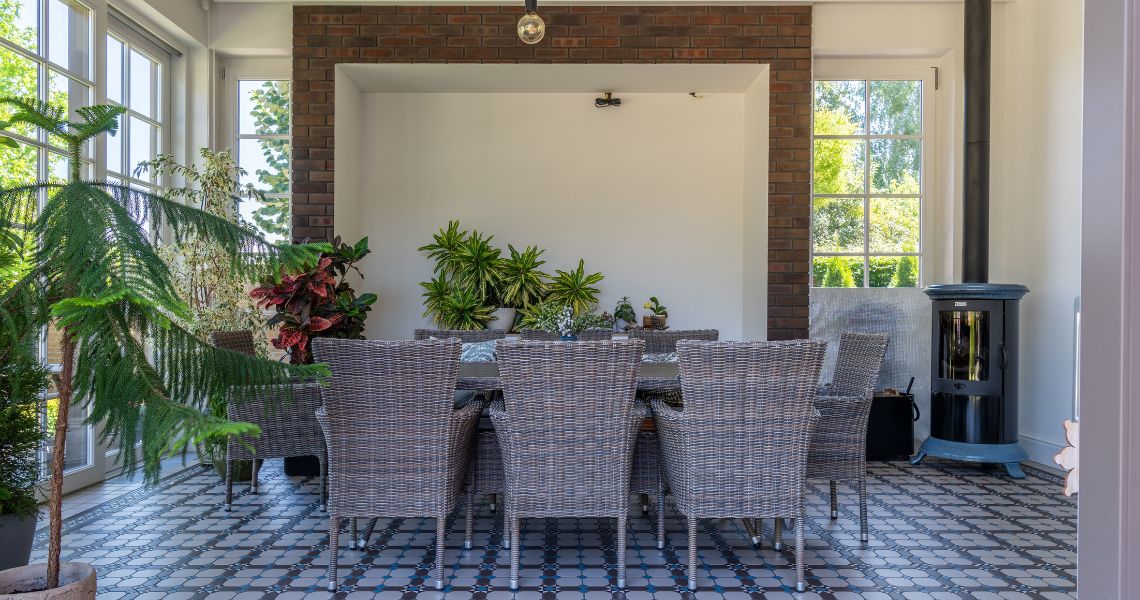
London gardens are experiencing a striking transformation, merging technology with nature in ways that may surprise you. Picture strolling through a garden where plants are softly illuminated by glowing lights, with robotic assistants quietly tending to the greenery.
This isn’t a scene from a futuristic film but the emerging trend of hortifuturism. As we explore this innovative movement, you’ll find out how it’s shaping urban green spaces and what it means for the future of gardening in the city. Let’s delve into how hortifuturism is making waves and why it’s more relevant now than ever.
Definition and Origins
Hortifuturism combines horticulture with futuristic technology, creating a new approach to gardening that merges nature and innovation. This concept is reshaping how we view and interact with urban green spaces.


Technological advancements have always played a role in gardening. From the introduction of mechanised tools to the development of chemical fertilisers, each innovation has altered traditional practices. Hortifuturism takes this a step further by integrating advanced technologies directly into the fabric of garden design and maintenance.
Key Elements of Hortifuturism
Smart Technology in Garden Maintenance
Smart technology is central to hortifuturism. Automated watering systems, sensors monitoring soil conditions, and climate control mechanisms are now commonplace in these futuristic gardens. These tools not only reduce manual labour but also optimise plant health by adjusting conditions in real-time. Use smart technology if you aim to create a garden that requires minimal human intervention while maintaining optimal growth conditions.
Integration of AI and Robotics in Urban Gardening
AI and robotics are becoming increasingly important in urban gardening. According to the gardening experts from London – PI Gardening, these technologies can handle repetitive tasks such as planting, pruning, and harvesting, freeing up time for more creative aspects of gardening. If urban gardeners adopt AI, they will likely achieve more precise and efficient plant care.
Sustainable and Energy-Efficient Garden Designs
Sustainability is another key element of hortifuturism. Energy-efficient designs, like solar-powered lighting and rainwater harvesting systems, ensure that gardens are not only innovative but also environmentally friendly. Incorporate these elements to reduce the environmental impact of urban green spaces.
Examples of Hortifuturism
Notable Gardens and Projects
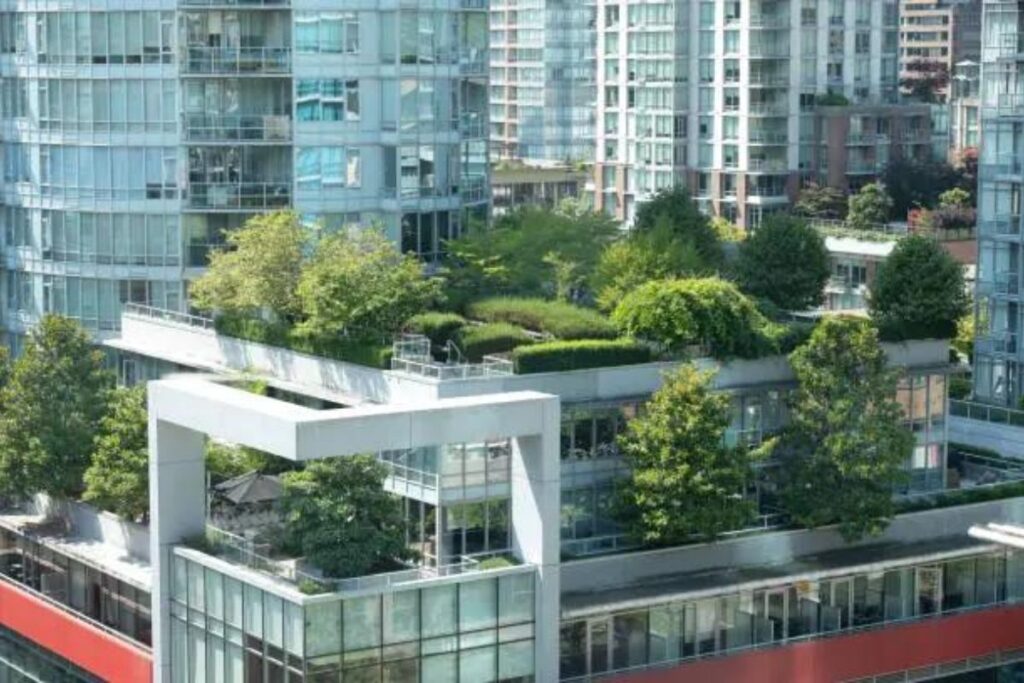
London has become a hub for hortifuturism, with several gardens leading the way in this innovative trend. The Sky Garden, perched atop the Walkie Talkie building, exemplifies this movement. It combines lush greenery with cutting-edge design, offering visitors a unique experience where nature meets urban sophistication. The garden’s design incorporates advanced climate control systems, ensuring that plants thrive in an environment far removed from their natural habitats. Visit the Sky Garden if you want to see hortifuturism in action within a high-profile public space.
Another noteworthy example is the rise of tech-driven allotments across the city. These spaces are equipped with automated irrigation systems, sensor-driven soil monitors, and even robotic gardeners. Such allotments not only optimise the growing process but also demonstrate how traditional gardening can evolve in urban environments. If you explore these tech-driven allotments, you’ll see how the integration of technology can transform even small-scale urban agriculture into something futuristic and highly efficient.
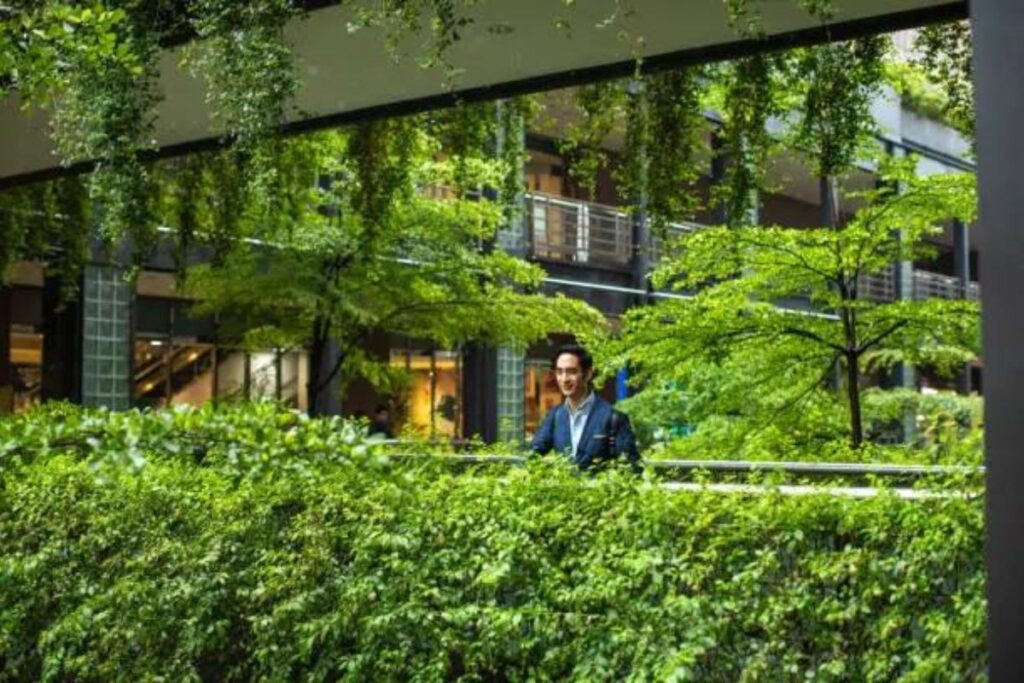
Public and private initiatives in London are pushing the boundaries of garden design by incorporating elements like vertical farming and energy-efficient systems. These projects highlight how hortifuturism can be applied on both large and small scales, making advanced gardening techniques accessible to a wider audience. Engage with these initiatives if you’re interested in how technology can be used to improve sustainability and aesthetics in urban green spaces.
Innovative Garden Features
Innovative garden features are at the heart of hortifuturism in London. Technology-driven installations, such as LED lighting systems that adjust based on plant needs, are becoming more common. These lights mimic natural sunlight, helping plants grow more effectively in indoor or shaded environments. Implement such lighting if you aim to enhance plant health and growth in challenging conditions.
Vertical gardens, another hallmark of hortifuturism, are also spreading across London. These gardens maximise space in densely populated urban areas while incorporating automated watering and nutrient delivery systems. Vertical gardens are ideal if you want to integrate green spaces into urban settings with limited ground area.
Automated greenhouses are another significant development. These structures use AI to monitor and adjust temperature, humidity, and light, ensuring optimal conditions for plant growth. Automated greenhouses are particularly beneficial if you’re looking to maintain precise control over your gardening environment without constant manual intervention.
In London, the role of smart technology in enhancing plant health and growth is becoming increasingly prominent. These advancements not only improve the efficiency of urban gardening but also make it possible to maintain vibrant green spaces in areas where traditional gardening might struggle.
Challenges and Criticisms
Technological and Ethical Concerns

Hortifuturism, while innovative, raises significant technological and ethical concerns. Relying heavily on technology in gardening can lead to unintended consequences. Overdependence on automated systems may diminish traditional gardening skills, making gardeners less adept at managing natural environments without technological assistance. If technology fails, gardens relying on these systems could suffer, as human intervention might not be readily equipped to handle the gap.
Ethical issues also arise with the increasing use of AI and automation in natural spaces. The introduction of robotics and AI into gardens challenges the notion of what a garden should be—a space of natural growth and human connection. If automation becomes too dominant, the organic relationship between people and plants could weaken, reducing the intrinsic value of gardening as a hands-on, mindful activity. The ethical question remains: should we allow machines to take over a domain that has traditionally been about human care and interaction with nature?
Economic and Social Implications
Hortifuturism also brings economic and social challenges. The advanced technologies used in these gardens are often costly, creating barriers for widespread adoption. Only those with significant financial resources can afford to implement these innovations on a large scale. This creates a divide where wealthier individuals or communities benefit from cutting-edge gardening techniques, while others remain reliant on traditional, less efficient methods. If the costs of these technologies remain high, they risk widening the gap between different socioeconomic groups in access to modern gardening practices.
Additionally, the shift towards hortifuturism could impact traditional gardening practices and community gardens. These spaces, which often serve as communal hubs and educational resources, may struggle to compete with the allure of high-tech gardens.
If communities increasingly favour technological solutions, the cultural and social value of community gardens could diminish. This might lead to a loss of shared knowledge and the erosion of local traditions in gardening, further isolating those who rely on these practices for social and educational enrichment.
The Future of Hortifuturism in London
Predicted Developments

Hortifuturism in London is poised for significant advancements. As technology continues to evolve, we can expect more sophisticated AI systems that better understand and respond to plant needs. These systems will likely integrate machine learning to optimise care routines, adapting to changes in climate and environment with minimal human input. If these advancements continue, London gardens could become self-sustaining ecosystems that require little to no manual maintenance.
Expansion beyond London is also likely. Other urban centres, both within the UK and globally, may adopt hortifuturism as they seek innovative solutions to urban space constraints and environmental challenges. Cities facing similar issues of overcrowding and limited green spaces could find hortifuturism an attractive model. If urban planners recognise the benefits of these technologies, hortifuturism could rapidly spread, influencing how cities around the world approach green space design.
Long-term Vision
Hortifuturism has the potential to dramatically reshape urban environments. By integrating technology with natural spaces, cities could create more efficient, sustainable green areas that contribute to better air quality, reduced urban heat, and improved public health. If cities fully embrace this trend, urban landscapes might shift from concrete-dominated spaces to vibrant, tech-enhanced green zones that blend nature with innovation.
Public policy and investment will play crucial roles in the future of hortifuturism. Government support through funding, incentives, and regulatory frameworks will be necessary to facilitate the widespread adoption of these technologies. If policymakers recognise the environmental and social benefits of hortifuturism, they might prioritise it in urban development plans. This could lead to increased funding for research, subsidies for technological installations, and the incorporation of hortifuturism principles into city planning regulations.
Conclusion
Hortifuturism represents a significant shift in how we approach gardening and urban green spaces. By blending advanced technology with horticulture, this trend is redefining the possibilities for garden design and maintenance in densely populated cities like London. We’ve explored the key elements of hortifuturism, examined notable examples in London, and discussed the potential challenges and future developments in this field.
Images courtesy of unsplash.com and pexels.com