The deep sea is a big mystery, full of secrets and exciting discoveries. It’s like going into a world where few have been. This experience is similar to the thrill of exploring games on different online platforms, such as UK bingo casino.
But here, the game is about uncovering the unknowns of our planet for science, finding new resources, and keeping an eye on the environment. As we dive into these deep, dark places, we’re not just looking for new creatures and landscapes. We’re on a mission to learn how exploring the deep sea and these hidden parts of the world can teach us more about protecting our oceans and using their resources wisely.
New Tech for Deep Sea Adventures
Let’s delve into the innovative technologies enabling exploration of the ocean’s depths from the surface: Autonomous Underwater Vehicles (AUVs) and Remotely Operated Vehicles (ROVs). Imagine miniature submarines equipped with advanced cameras and instruments, capable of venturing into places where light doesn’t reach and the pressure is huge.
AUVs, such as Sentry, and ROVs, like Jason, empower researchers to investigate uncharted territories, including underwater volcanoes and hydrothermal vents, areas unreachable by humans. Moving to the realm of deep-sea extraction, several enterprises are pioneering methods to harvest essential metals from the seabed.
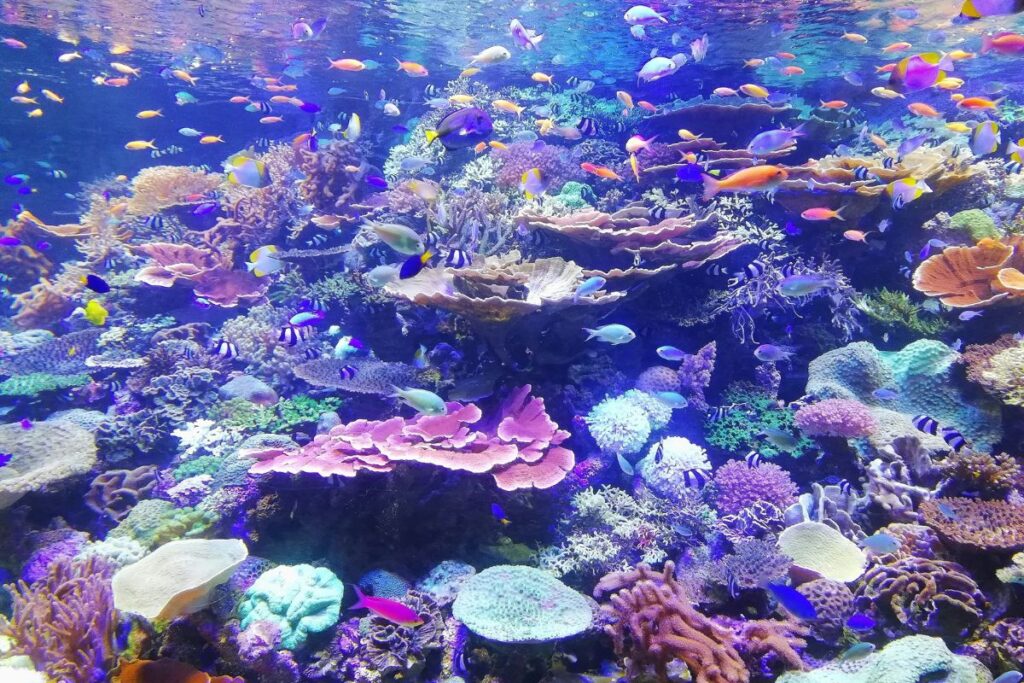
These metals are critical components in the manufacture of batteries and electronic devices. Efforts are underway to ensure that these activities are conducted with minimal environmental impact. Also, cutting-edge deep-sea imaging technology is bringing to light previously undiscovered marine life and captures the imagination of scientists and enthusiasts alike.
Amazing Discoveries Below the Waves
These underwater robots have uncovered a variety of strange and fascinating discoveries. There are places in the deep sea where life thrives in super hot and toxic conditions. We’re talking about hydrothermal vents, where creatures like the giant tube worm live. These discoveries show us that life can adapt to extreme places.
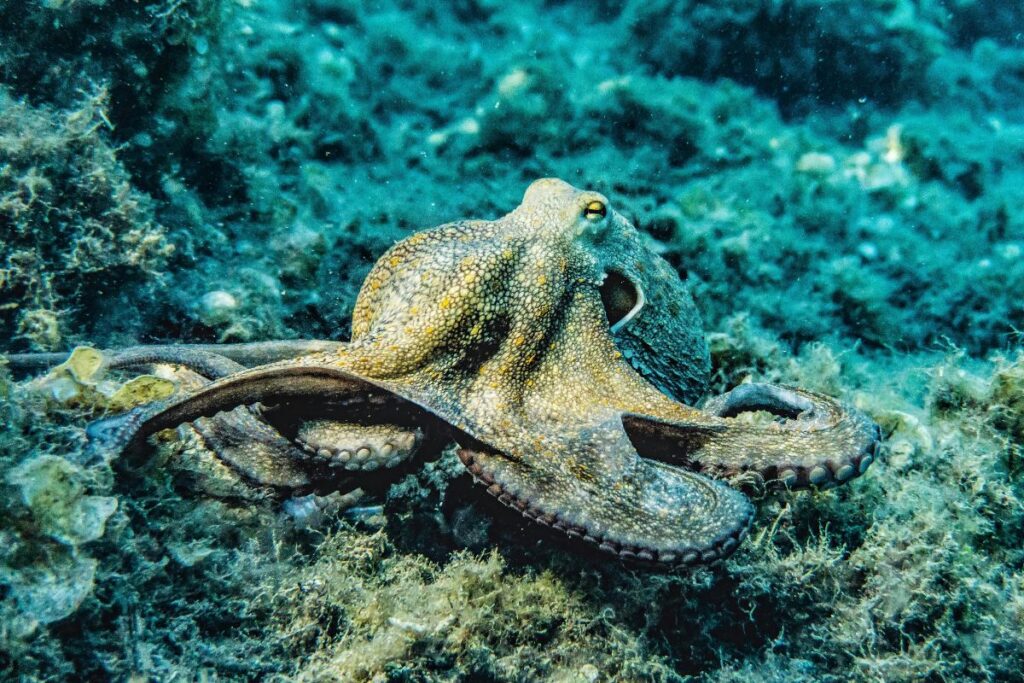
There are also some unique animals, like the Dumbo octopus, which looks a bit like the elephant from the cartoon because of its big, ear-like fins. And there’s the yeti crab, which has what seems like fur on its claws. These findings are not just cool, they help scientists learn more about life in general and could even help in medicine and technology.
Why Deep Sea Exploration Matters
Exploring the deep sea is tough. The pressure is massive, it’s cold and completely dark. The machines that go down there have to be strong and smart to survive and send back information. But, this exploration is super important. It helps us learn more about our planet, how to protect the ocean, and how climate changes affect deep-sea life.
By keeping an eye on the deep sea, we can learn how to use its resources wisely and protect its amazing creatures. The more we explore, the more we realize how much life and mystery there is in the depths of the ocean.
This kind of exploration shows us how creative and resourceful we can be, and it keeps reminding us of the big, unexplored world that’s out there under the waves. This journey also helps us find new medicines and resources in the sea and makes our future healthier and more sustainable.
Photo by Richard Segal: https://www.pexels.com/photo/person-takes-photo-of-tortoise-1645028/