The tyres are among the most important components of your car. They’re responsible for actually gripping the road, and thus they play a significant role in your braking and cornering performance, and fuel economy, too.
On a road trip, there can be nothing worse than breaking down because of something you could have controlled. By regularly replacing your tyres, you’ll ensure that you’re on the right side of the law when it comes to tread depth – and you’ll enjoy a superior experience out on the road. But exactly how do you get the maximum lifespan out of a set? There are a few factors to consider.
Monitoring and maintaining tyre pressure
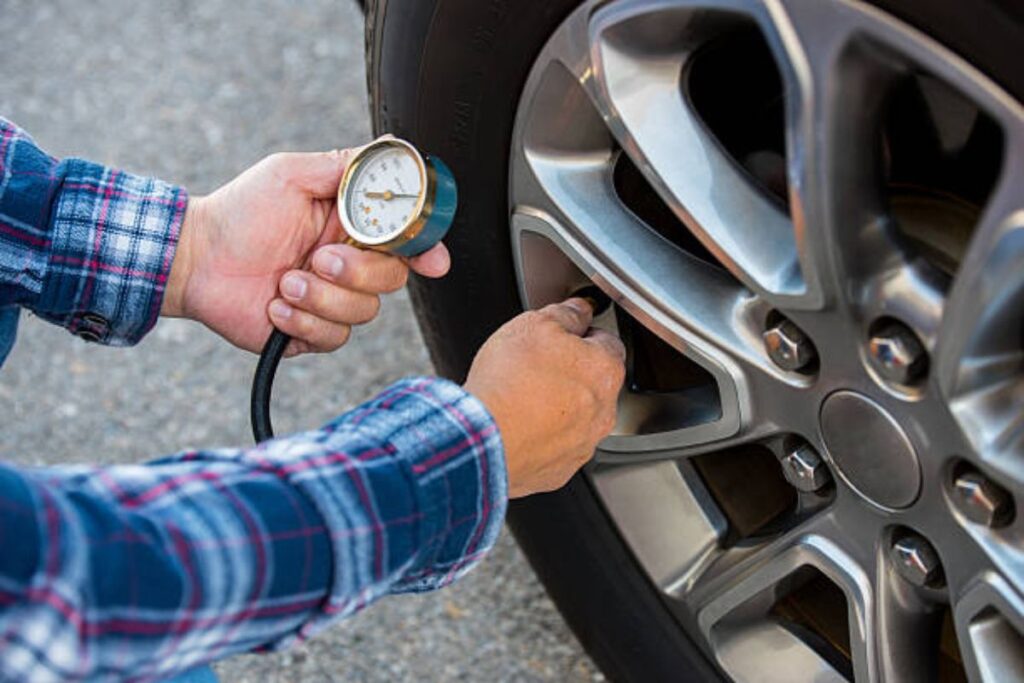
If you want to extend the lifespan of your tyres, you’ll need to pay attention to how they’re wearing, and what your pressure is. Tyres will naturally deflate over time, and so they should be regularly topped up. If you notice a sudden drop in pressure, then it might indicate a slow puncture.
Ideally, you’ll want to make a habit of checking your pressure at weekly intervals. If you’re filling up on the way into work on a Monday, for example, it might be worth getting up a few minutes early and making time to top them up.
Rotating Tyres
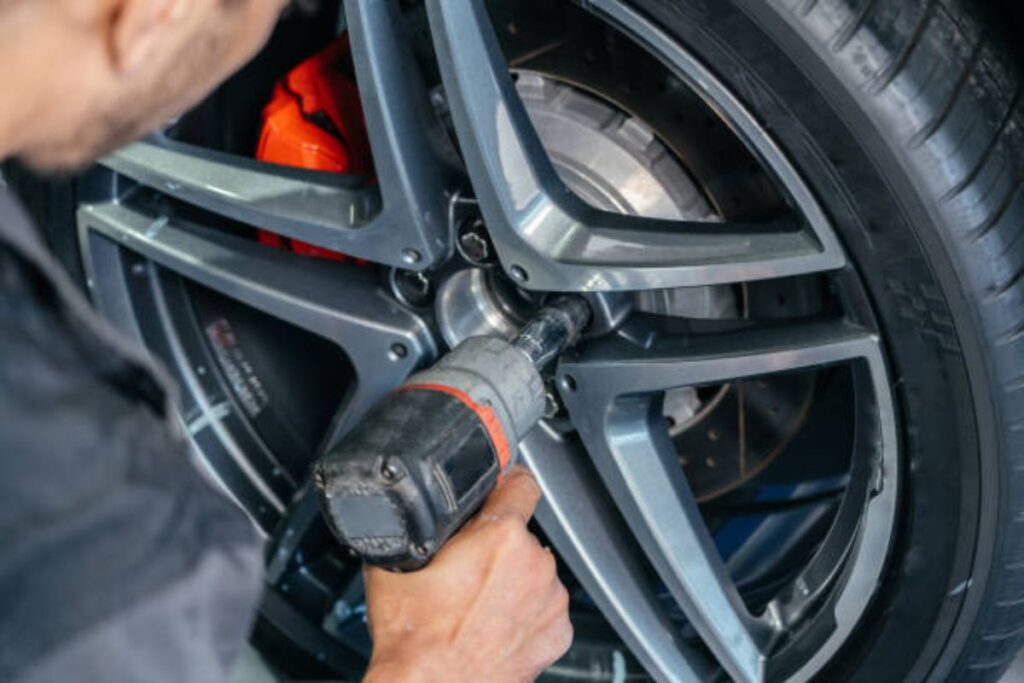
It’s a fact that the tyres on one side of your car will wear more quickly than those on the other side. Typically, it’s your front tyres that receive most of the wear-and-tear. As such, you might find that those at the front are on the verge of baldness before the ones at the rear are even showing signs of wear.
The solution here is to simply swap the front and rear tyres around midway through the lifespan of a particular set. By doing this, you’ll enjoy a much longer lifespan for your tyres, and you’ll eliminate harmful vibrations that can damage your suspension over time.
Naturally, premium tyres are going to last longer than cheap ones. Michelin tyres can be bought cheaply online, so it makes sense to stockpile them.
Driving Behaviour

By altering the way that you drive the car, you’ll extend the lifespan of your tyres. This generally means not braking and accelerating as hard, since that extra energy is going to be dispersed through the tyres. Instead, drive as smoothly and consistently as possible. If you see that there are speed bumps in the road, try not to accelerate between them – just obey the speed limit and glide over the top of them.
Another thing to consider is the distance you drive, and the number of trips you take. If you can avoid unnecessary trips by carpooling, cycling, or walking where you might otherwise have driven, you can vastly extend the lifespan of your tyres. This applies especially if you know that the road is in poor condition – avoid potholes by cutting down trips through the countryside, or by switching to a thicker and more robust tyre.
Images courtesy of unsplash.com