Christmas decorating tends to start with the tree and stop there, yet lighting has the biggest influence on how a home feels once the nights draw in. A considered plan, room by room, makes the difference between a scattering of fairy lights and a scheme that feels warm, balanced and safe.
Starting with the right christmas indoor lights helps, as the choice between plug-in and battery power, warm or cool white and fixed or flexible cable shapes every decision that follows. A set that works beautifully on a tree won’t always suit a window or a staircase, so it pays to think about where each strand will live before buying your Christmas lighting.
The Living Room: Layering Around the Tree
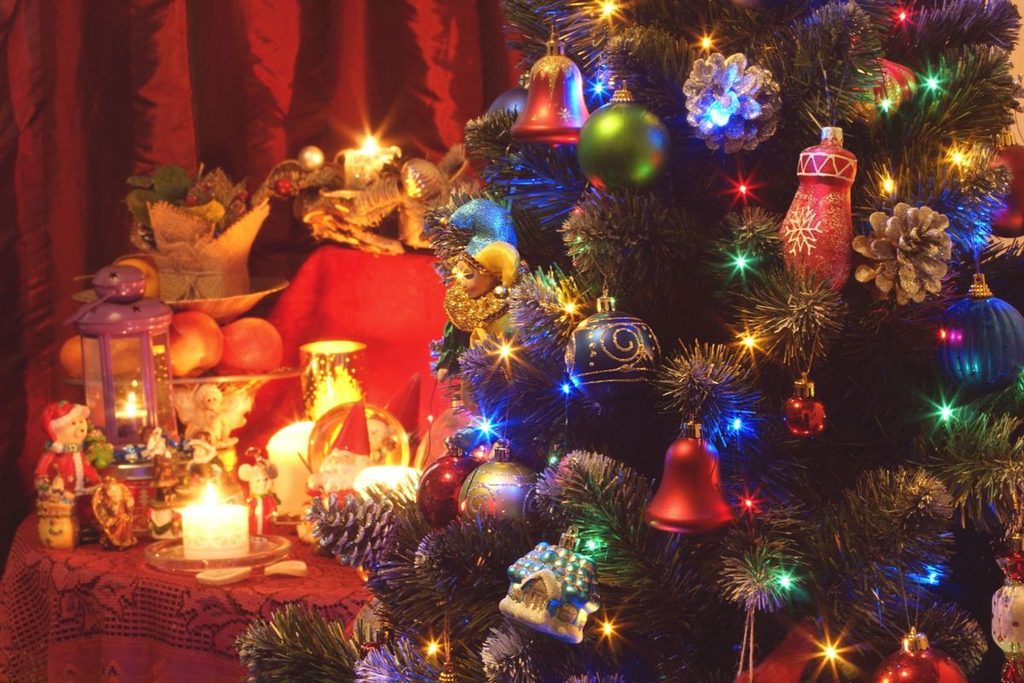
The living room usually carries the main display. Warm white lights on the tree create the traditional glow, and measuring the tree first, then counting strands by height, prevents the patchy finish that comes from running short halfway up.
Beyond the tree, mantelpieces, shelves and window sills offer more opportunity. Dimmable table lamps and wall lights work alongside fairy lights to avoid a flat, overlit look, so switching off the main ceiling light in the evening lets the festive glow take over.
Windows reward a little attention as well. A curtain of Christmas lighting or a lit star on the sill adds interest from inside and out, and sets with a built-in timer mean the effect appears at dusk without anyone needing to remember.
The Hallway and Staircase
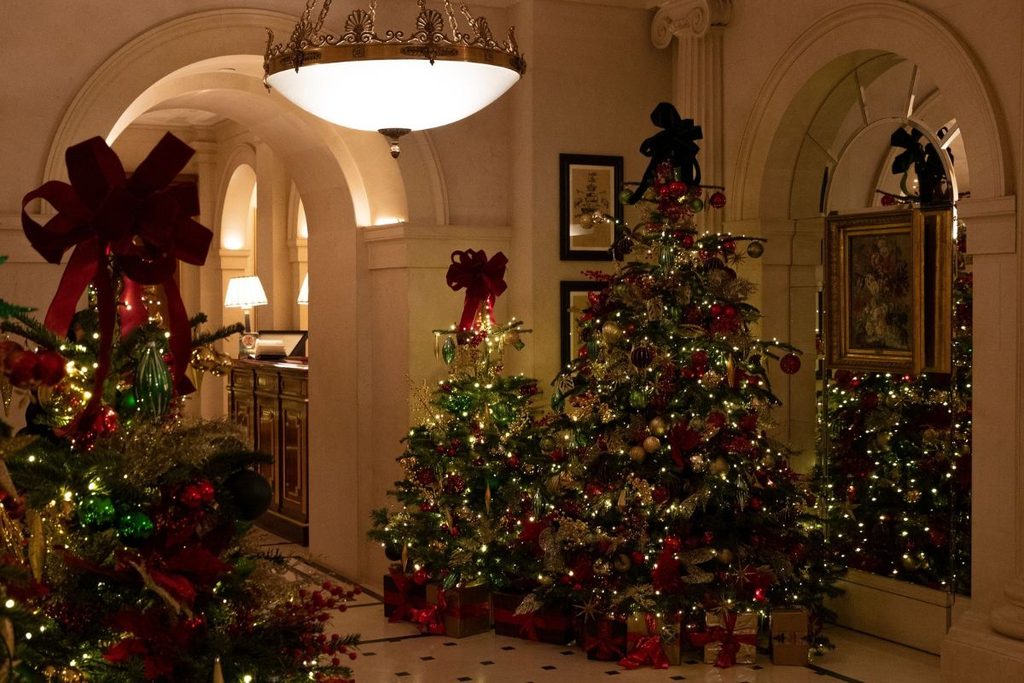
Hallways often lack sockets, so battery-powered strands are practical for banisters and console tables. Wrapping lights along a garland keeps cables concealed and secured, which matters on stairs where loose wires could become a trip hazard. A lit display near the front door also creates a warm first impression for visitors.
The Kitchen and Dining Area
Dining tables suit low-key lighting. A glass bowl or hurricane vase filled with micro lights makes a centrepiece that doesn’t take up much space or get in the way of plates. Open shelving, glass cabinets and the top of a dresser can carry a strand, although lights should stay clear of hobs, kettles and anywhere steam collects, as moisture and heat can shorten the life of a set.
Bedrooms
Bedrooms are best kept gentle. A single strand around a headboard or window frame, in warm white, creates a calm glow that doesn’t interfere with sleep. In children’s rooms, battery-operated LED sets are a sensible choice, as the bulbs stay cool and there are no cables running across the floor. Timers help to make sure lights switch off once everyone’s asleep.
Mapping Sockets and Cable Routes
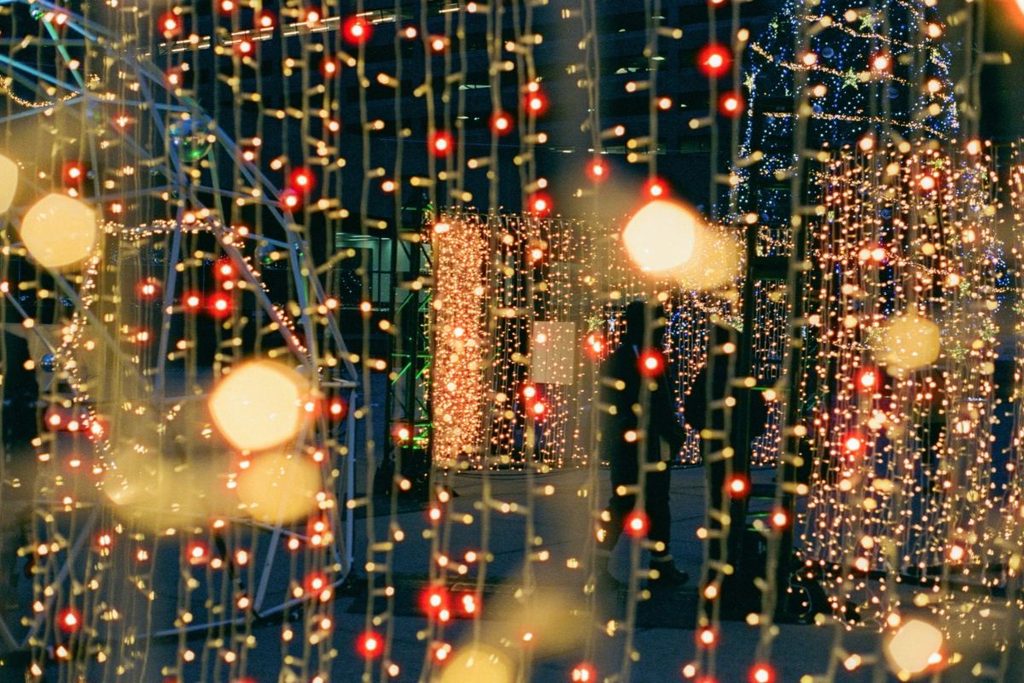
Before any Christmas lighting goes up, a quick walk around each room to note where the sockets are saves a lot of improvising later. Cables stretched across walkways are a trip risk, so routing them along skirting boards or behind furniture, and securing them with small clips, keeps rooms tidy and safe.
Extension leads should be kept to a minimum and fully unwound when in use, as a coiled lead can overheat. A multi-socket extension with its own switch makes it easy to turn a whole room of lights off in one go, which is handy at bedtime.
Choosing Between Plug-In and Battery Lights
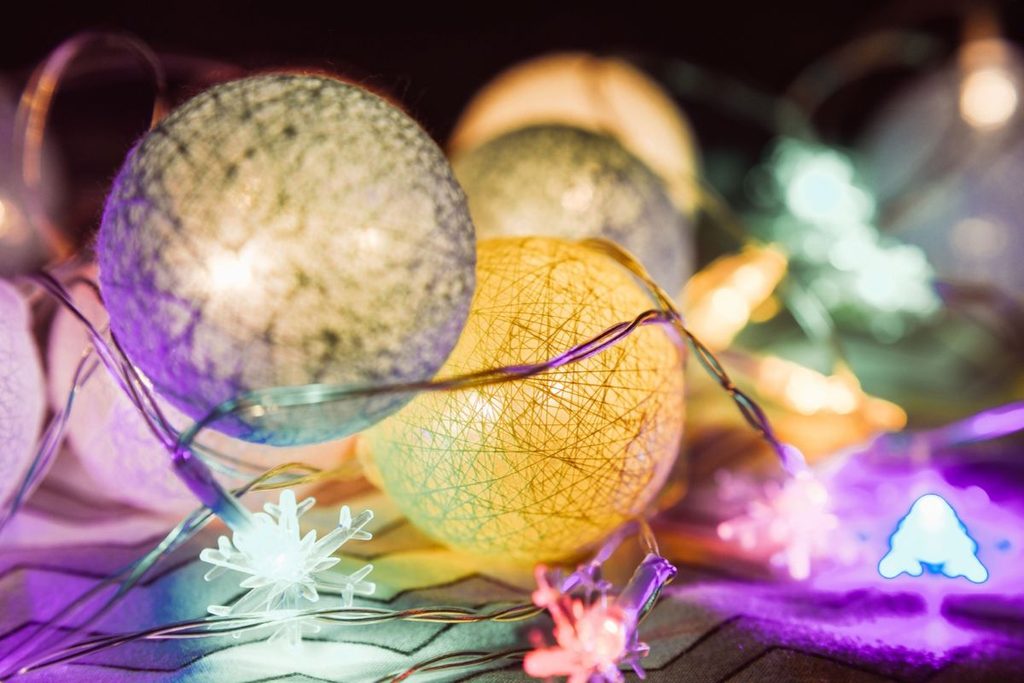
Plug-in sets deliver steady brightness and are better for large areas such as trees and long mantels. Many have multiple lighting modes controlled by a small unit, and some connectable ranges allow strands to be joined together. The drawback is reliance on sockets, which can limit placement.
Battery-operated sets are more flexible, making them ideal for wreaths, shelves and anywhere a cable would look untidy. They tend to be dimmer and need fresh batteries, so models with timers, or rechargeable options, get more use over the festive period.
Warm White, Cool White or Colour
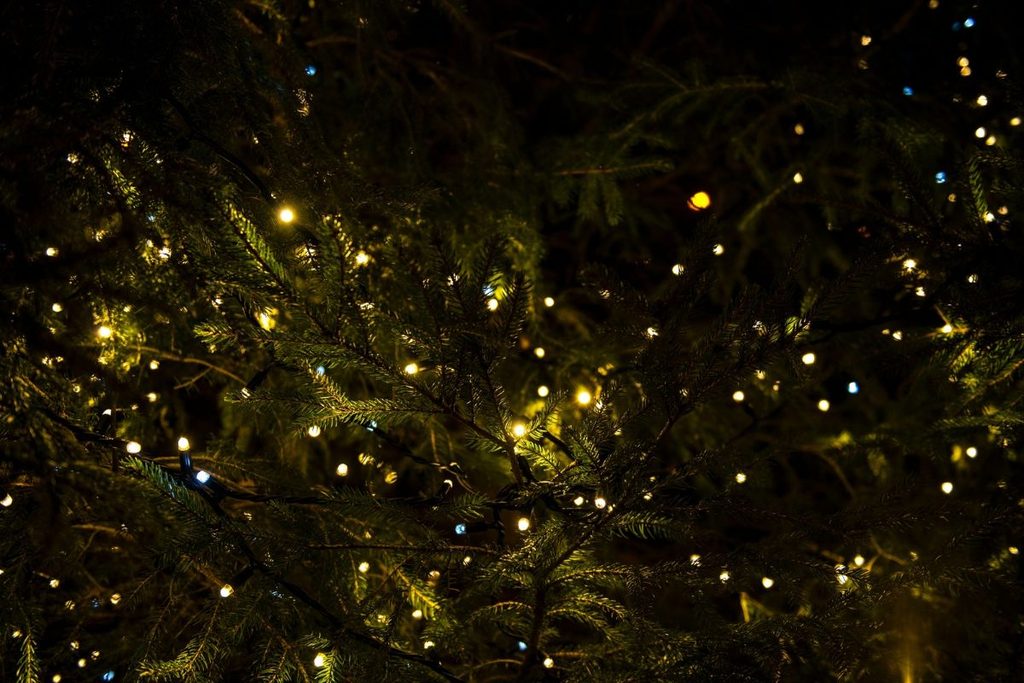
Warm white has a yellow-toned glow that mimics candlelight and suits most homes, particularly those with wooden furniture, soft furnishings and traditional decor. Cool white looks sharper and more modern, which suits contemporary interiors with white or grey walls. Colour gives a retro, family-friendly feel that works well on a tree.
Mixing too many types within one room can look messy, so choosing one main tone and using the others sparingly keeps the scheme cohesive.
Safety and Energy Notes
LED lights use far less electricity than older incandescent bulbs and produce less heat, so they’re the better option for sets that will be on for several hours each day. All lights should be checked for frayed wires, loose connections and damaged plugs before they’re used, and lights rated for indoor use only, should never be taken outside.
Overloaded sockets and adaptors are a common cause of problems at this time of year, so sticking to the rated limit of each plug and switching lights off before bed or before leaving the house is a sensible habit. Timers make this easy.
Images courtesy of unsplash.com and pexels.com