Walk down any high street in the UK and you will see the change. Refill stations, reusable bottles, and coffee cups you bring from home are now normal. Shoppers are buying fewer throwaway items and more products they can use again and again.
In short, the switch is driven by cost, new rules on single-use plastic, and better reusable products. Water bottles, coffee cups, shopping bags, razors and refillable cleaning products are leading the change. In most cases, a reusable product costs more at first but costs less over time.
Why Are UK Shoppers Switching to Reusable Products?

Three things are pushing the change.
First, cost. Prices have gone up across the board, and people are looking for ways to spend less over time. A product you buy once and use for months often works out cheaper than buying the throwaway version again and again.
Second, rules. The UK has brought in charges and bans on single-use items over the past few years. The charge on single-use carrier bags changed how people shop. Bans on items such as plastic straws, stirrers and cotton buds followed. The ban on single-use vapes in June 2025 was the latest step in the same direction.
Third, the products got better. Reusable items used to feel like a compromise. Now they often work as well as, or better than, the throwaway version. Bottles keep drinks cold for hours. Razors have refillable heads that last. Cleaning products come in refill pouches that cost less than a new bottle.
Which Single-Use Items Are People Replacing First?
Some swaps are easier than others. These are the ones most UK shoppers have already made.
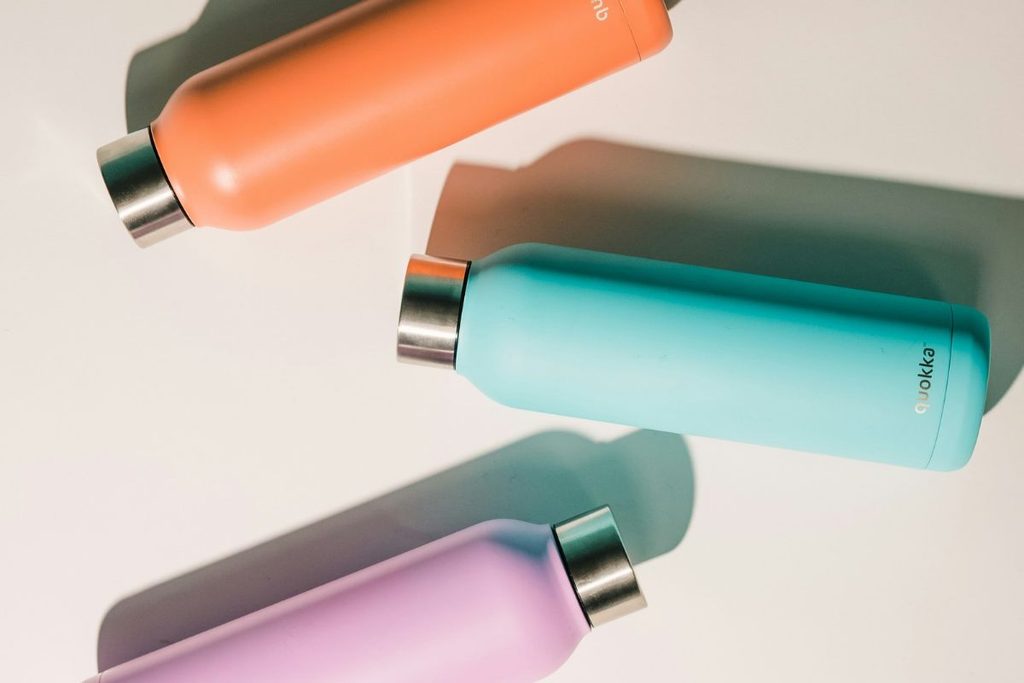
- Water bottles. A reusable bottle replaces hundreds of single-use plastic bottles over a year. Most people now carry one every day.
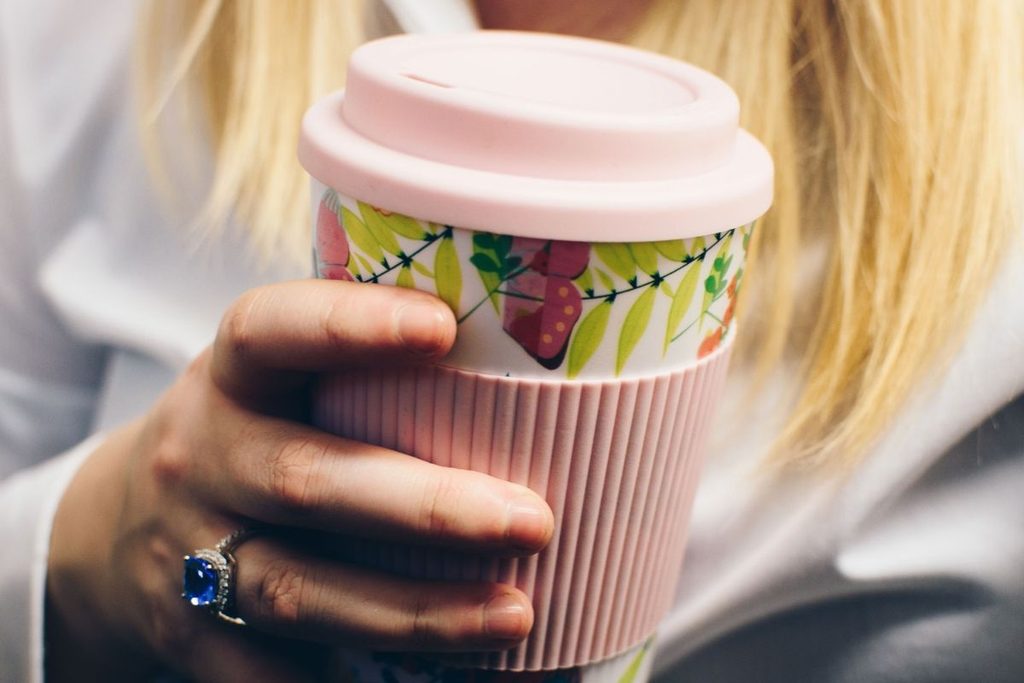
- Coffee cups. Many coffee shops offer a discount if you bring your own cup. A reusable cup also keeps drinks hot for longer.
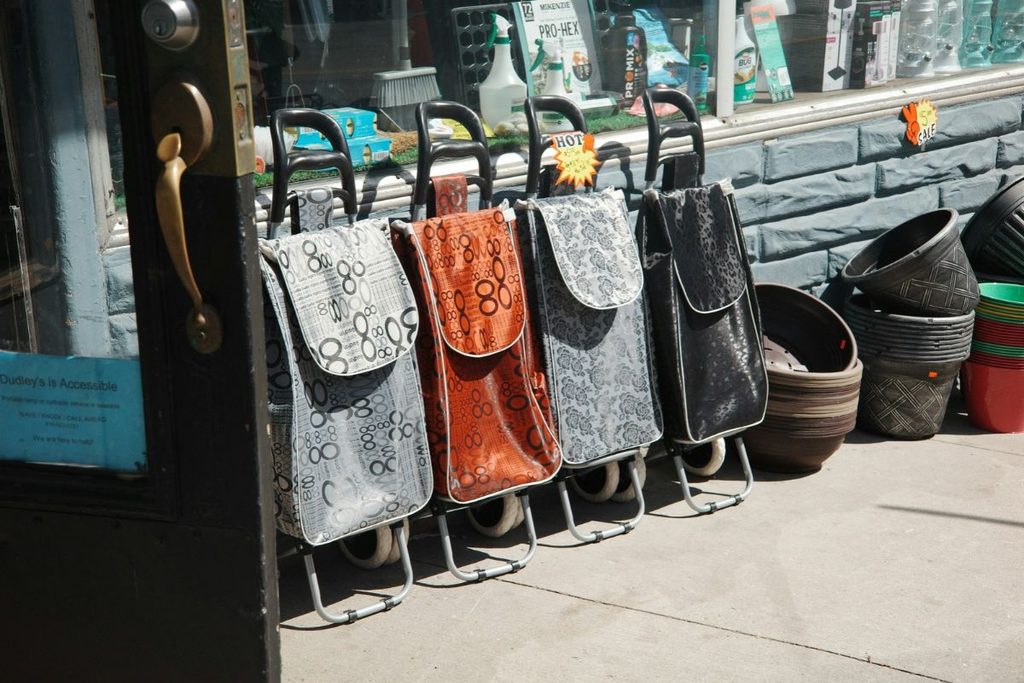
- Shopping bags. Strong reusable bags have replaced thin single-use bags for most shoppers. Many people keep a few in the car or by the front door.
- Razors. Refillable razors with replaceable heads have replaced fully disposable razors for many buyers. Only the blade head is replaced.
- Food wrap and containers. Reusable containers, lids and wraps have replaced cling film in many kitchens.
- Cleaning products. Refill pouches and refill stations let shoppers top up the same bottle instead of buying a new one each time.
The same change is visible in small electronics. Some adults who vape now use a rechargeable pod kit you keep for months, and only the pod is replaced. UK rules cap the nicotine in these kits at 20mg/ml, and sales are for adults aged 18 and over only.
The pattern is the same in every case. You keep the main item, and you only replace the part that runs out.
Do Reusable Products Really Save Money?
In most cases, yes, but only if you actually use them. A reusable product has to be used enough times to pay back its higher upfront cost.
Take a water bottle as an example. A good reusable bottle might cost £10. If you normally buy a £1 bottle of water each day, the reusable bottle pays for itself in about ten days. After that, every use saves money.
A reusable coffee cup works the same way. If the cup costs £8 and your coffee shop gives a 25p discount for bringing your own cup, the cup pays for itself after 32 uses. For a daily coffee drinker, that is about six weeks.
The maths does not work if the product sits in a cupboard. A reusable item only saves money when it becomes part of your routine. That is why the most successful swaps are the ones that fit easily into daily life.
What Makes a Reusable Product Worth Buying?
Not every reusable product is a good buy. Before you spend more upfront, check these five things.
- Will you use it often? A product you use every day is worth paying more for. A product you use once a month is not.
- Is it easy to clean? If cleaning is hard, you will stop using it. Look for items that can go in the dishwasher or be rinsed in seconds.
- Can you get refills or spare parts? A reusable product needs refills, replacement heads or spare parts to last. Check that these are easy to buy before you commit.
- Is it built to last? Cheap reusable items that break after a few weeks are worse than the throwaway version. Look for solid materials and a good guarantee.
- Does it fit your routine? A bottle that fits in your bag, a cup that fits in your car holder, or a razor that fits in your hand will get used. One that does not will be left at home.
What Is Slowing the Switch Down?

The switch is not happening everywhere at the same speed. Upfront cost is the biggest barrier. A reusable product can cost five or ten times more than the single-use version, and not everyone can pay that in one go.
Habit is another barrier. Single-use items are easy. You use them and throw them away. Reusable items need cleaning, charging or refilling, and that takes a small amount of time and planning.
Some people also worry about hygiene. A bottle or cup that is not cleaned properly can build up germs. The answer is simple: wash it regularly, just like any other item in your kitchen.
Even so, the direction is clear. Each year, more single-use items are replaced by reusable versions, and more shoppers make the switch for the first time.
FAQ
Are reusable products always better for the environment?
Not always. A reusable product is only better if you use it enough times. A cotton shopping bag, for example, needs to be used many times before it beats a single-use bag on overall impact. The key is to use what you buy, and to buy only what you will use.
What is the easiest single-use item to replace first?
A water bottle or a shopping bag. Both are cheap to buy, easy to carry, and easy to use every day. Most people notice the saving within the first month.
Do reusable products cost more?
At first, yes. A reusable product usually costs more than the single-use version. Over time, it often costs less, because you are not buying a replacement every time you use it.
What should I check before buying a reusable product?
Check that it is durable, easy to clean, and that refills or spare parts are easy to buy. Also check that it fits your daily routine. If it does not fit, you will not use it, and it will not save you money.
Images supplied. Feature image courtesy of unsplash.com