There it is again. Another little puddle on the bathroom floor after a shower. You wiped it up yesterday, yet here it is in almost exactly the same spot. It’s never enough water to cause a major problem, but having to reach for a towel after every shower soon gets tiresome.
The odd thing is, the shower door seems to close properly. There’s no obvious damage to the glass, and nothing around the shower tray looks cracked. So where is the water and that bathroom leak coming from?
It’s tempting to blame the seal along the bottom of the door, or assume there’s a gap somewhere that needs sealing. But before replacing anything, it’s worth checking whether the spot where the water collects is actually where it’s escaping.
The Leak Might Not Be Where You Think
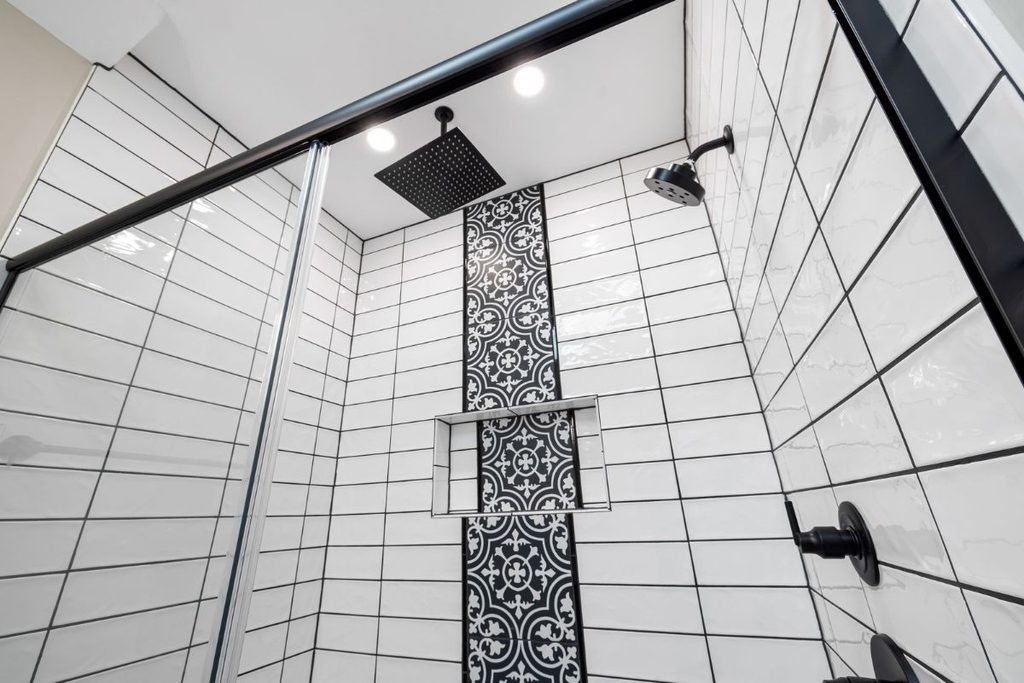
One homeowner had tried shower door seals from four or five different brands, yet the bathroom floor was still getting wet. Eventually, they contacted SIMBA Seals UK, a UK supplier specialising in replacement shower door seals, and sent over photos of their shower enclosure for help finding a suitable replacement.
After looking at the pictures, the team suspected the seal wasn’t the problem at all. The water appeared to be coming from the shower tray itself. If that was the cause, fitting yet another seal wouldn’t make any difference.
A puddle outside the shower doesn’t necessarily mean the door seal has failed.
If water keeps appearing in the same place, dry the area thoroughly and test different sections with a little water, watching for where the leak first appears. It’s also worth checking the shower tray and the joints around it rather than concentrating solely on the bottom of the door.
Why Does Water Still Escape from the Corners?
If you’ve established that water is getting past the bottom of the shower door, close it and take a closer look at the corners. Are there any small gaps where the seal should meet the tray?
You might assume that a longer strip hanging down from the seal would keep more water inside. Not necessarily.
The edge of a shower tray isn’t always perfectly level. Near the wall or door frame, it may curve slightly or change height. If the flexible fin along the bottom of the seal is too long or too stiff, it may struggle to follow that shape. Instead, it can lift away at the corner, leaving a small triangular gap, causing a bathroom leak.
The door can be fully closed, and the seal can look long enough, yet water still finds its way through that little opening.
Before choosing a seal with an even longer fin, check how well the existing one sits against the tray. A shorter, more flexible fin may fit the shape better.
Don’t Rely on Looks When Replacing a Seal
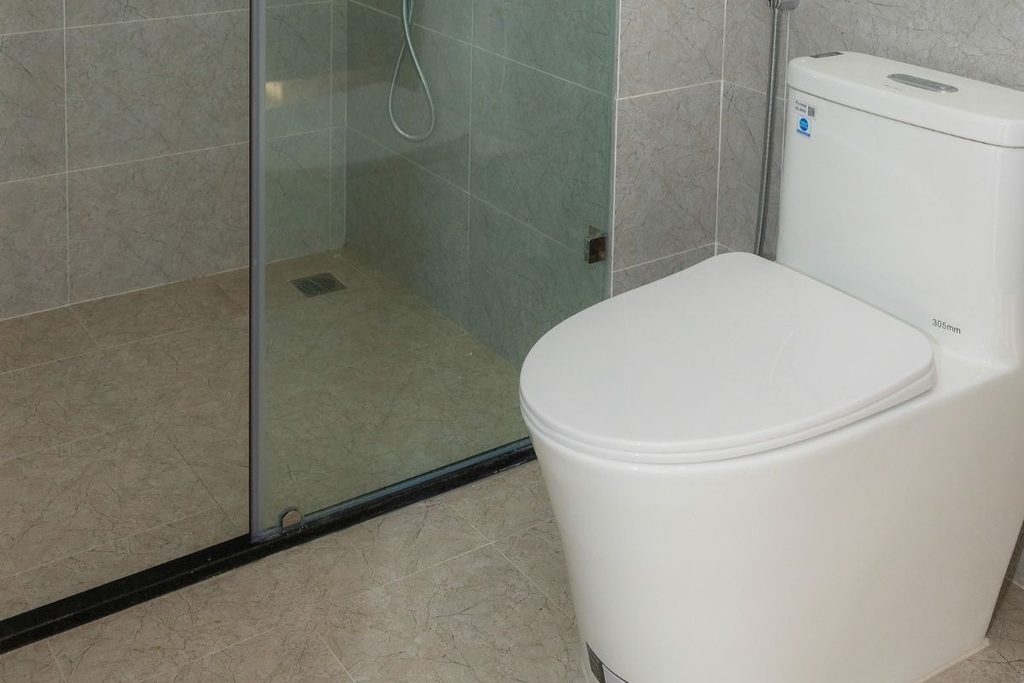
Once you’ve removed an old seal, it’s tempting to find a replacement that looks much the same. But years of use can leave the original strip bent or distorted, making its shape and measurements difficult to judge.
When looking for a new shower door seal, start by measuring the glass thickness and the gap beneath the door. Then compare the cross-section diagrams and dimensions of the available profiles. Those measurements can help rule out seals that look similar but won’t actually fit.
If you’re still unsure, take photos of the old seal’s cross-section, the glass edge and where the seal fits on the door. Send them along with your measurements to a supplier who can help narrow down the options.
After replacing the seal or carrying out a repair, keep an eye on the spot where the water used to appear. If the floor is wet again after the next shower, there’s still something that needs attention. There’s little point rushing out to buy another seal.
Nobody wants to spend every morning mopping up the same little puddle from a bathroom leak. Getting rid of it for good means finding out where the water is actually coming from.
Images courtesy of unsplash.com, Freepix and pexels.com