Your earwax works around the clock as a protective shield against dirt and bacteria. Problems begin when you reach for cotton swabs, metal probes, or generic squeeze bulbs to clean your ear canal. Home tools push wax deep inside, packing it tight against your eardrum.
The trapped wax muffles sound and can trigger severe ear infections or tissue irritation. Choosing routine clinical ear hygiene care protects your hearing mechanisms and keeps your ears clear without risking accidental trauma.
Why does cotton swab cleaning cause mechanical trauma?

Your ears possess an organic self-cleaning cycle that migrates cerumen outward toward the ear opening. Skin cells inside the canal grow in an outward direction, carrying debris along with them.
The outer ear canal features a sensitive epithelial layer that scrapes easily under friction. Probing this delicate lining with cotton sticks strips protective oils away, creating microscopic tears that invite bacterial infections. Direct guidance from DWM Audiology points out that continuous visual examination allows clinicians to lift away deep deposits precisely without scratching delicate walls or irritating sensitive internal structures.
What happens when impacted wax presses on your eardrum?
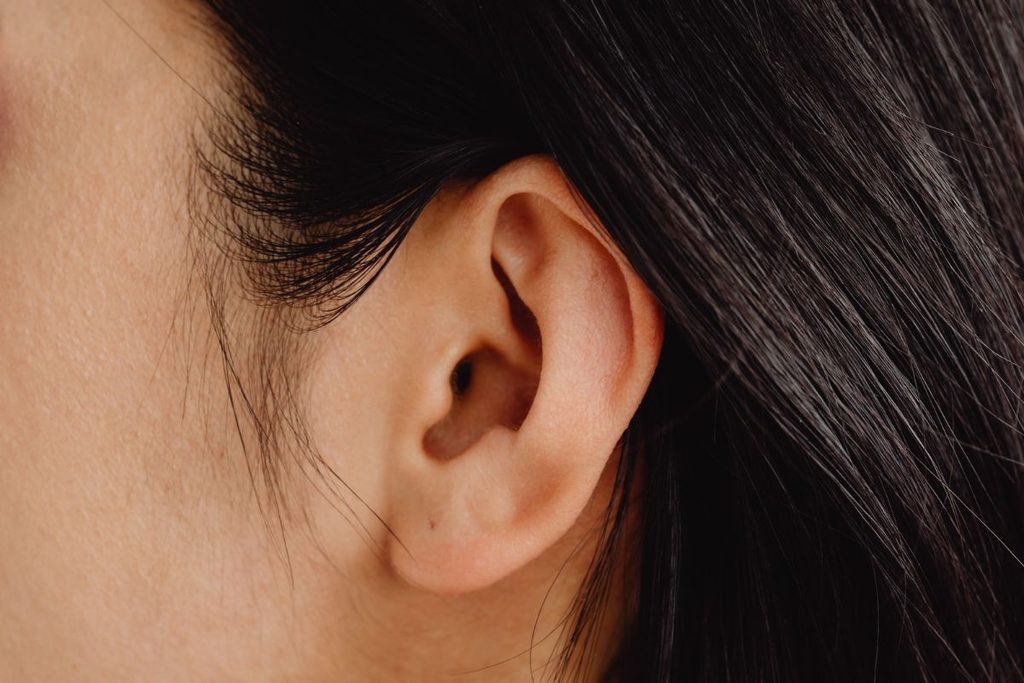
When packed cerumen lodges directly against your tympanic membrane, it restricts the drum from vibrating freely. Sound waves cannot travel effectively into your middle ear, creating sudden conductive sound loss. Direct pressure against the paper-thin membrane can reduce blood circulation to localized tissue, elevating your discomfort.
Dense plugs can cause noticeable physical symptoms that interfere with your daily routine:
- Muffled auditory reception: Sounds lose clarity and volume because sound waves cannot flex the blocked eardrum.
- Persistent ringing tones: You notice ongoing phantom buzzing that disrupts your focus and sleep.
- Sudden balance issues: Disrupted inner ear mechanics trigger dizzy spells and spatial disorientation.
- Deep canal discomfort: Trapped plugs create dull, throbbing sensations along your ear wall.
Spotting symptoms before tissue tears occur
Prolonged impaction strains delicate auditory membranes and increases the likelihood of a tympanic tear. Trapped wax creates an ideal breeding ground for stubborn fungi and bacteria beneath the surface. Scheduling a timely clinical ear hygiene inspection prevents minor annoyances from escalating into severe auditory complications.
Why should you choose clinical microsuction over home irrigation?

Water irrigation kits flush pressurized liquid into a blind canal, which can push debris deeper or rupture fragile membranes. By booking an appointment with Deeside Ear Care, you receive gentle microsuction treatment under direct optical magnification rather than risking unpredictable water pressure. The dry method uses continuous visual monitoring to guide a medical suction tube safely along your canal.
How direct visualization keeps your ears safe
Unguided syringes trap water behind wax plugs, creating an environment where bacteria thrive. Clinical microsuction eliminates fluid, keeping your ear canal dry throughout the procedure. Clinical guidance from ENT UK highlights microsuction as the preferred intervention for clearing obstructive canal matter that triggers conductive sound reduction. You leave the clinic with clear hearing and no lingering fluid buildup.
Stagnant water trapped behind cerumen rapidly inflames the external canal wall. Trapped water softens delicate tissues, making them susceptible to fungal blooms and painful swelling. Professional dry extraction keeps the canal protected against post-cleaning infections.
How do modern clinicians safely clear severe blockages?
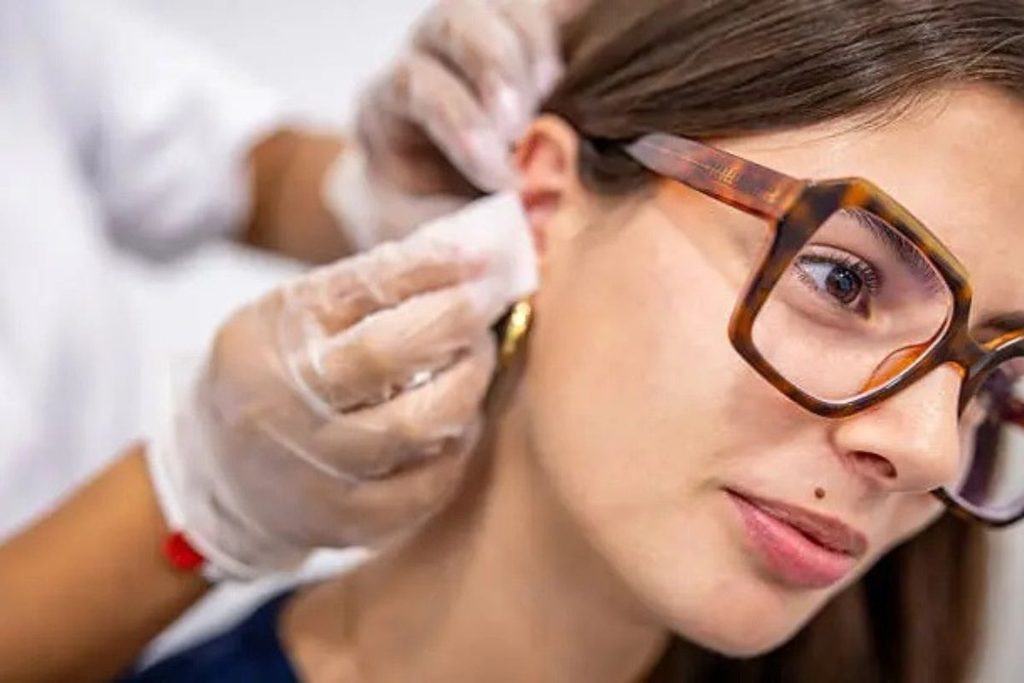
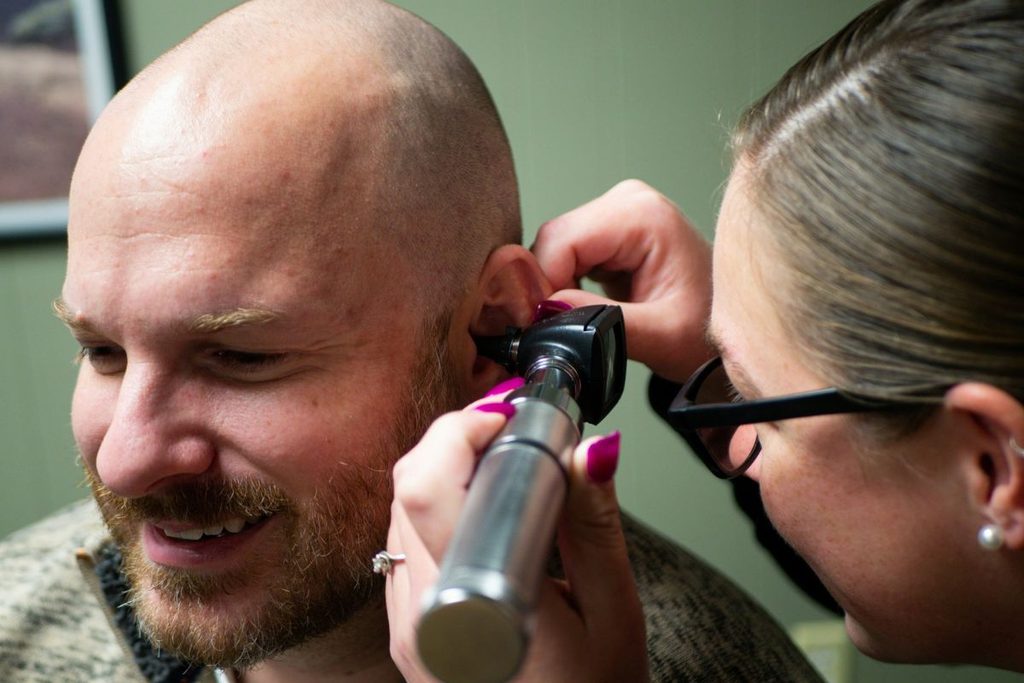
Trained clinical ear hygiene specialists evaluate your ear canal through high-power surgical binocular lenses before touching any instrument. The intense lighting and magnification reveal the exact location, density, and thickness of the plug. Your clinician calculates the safest angle of approach, preventing accidental contact with sensitive nerves.
Specialists then select fine-gauge tools tailored to the unique curvature of your ear canal. When wax turns rock-hard, softening agents loosen the edges so suction lifts the blockage painlessly. You stay comfortable while the specialist removes the obstruction in just a few minutes.
How does regular professional care protect your auditory wellness?
A routine clinical appointment offers far more than simple wax extraction. Your practitioner inspects your tympanic membrane, looking for signs of chronic inflammation, perforation, or scarring. You gain clear insights into the condition of your auditory tract through high-definition camera feeds.
Video otoscopy assessments
Advanced video otoscopy lets you view the interior of your canal in real time on a digital monitor. You can see the blockage before treatment and verify the pristine condition of your canal walls afterward. An open visual process builds confidence and confirms that your ear structures remain healthy.
How does clear canal patency sharpen your sound perception?
Your outer ear canal acts as an acoustic funnel, shaping sound frequencies before they strike your eardrum. Thick wax barriers distort high-frequency sounds, making everyday speech sound garbled and distant.
Clear canals prove equally valuable if you wear custom hearing aids or modern earbuds. Wax buildup clogs receiver ports, distorts acoustic calibration, and causes uncomfortable feedback whistling. Routine clinical hygiene keeps your assistive devices working at peak performance while protecting your investment.
Proactive, professionally supervised ear care safeguards your delicate auditory mechanisms from preventable structural trauma. By abandoning risky home tools in favor of gentle clinical debridement, you protect your hearing and avoid painful infections. Schedule regular visual checks with a certified professional to maintain clear hearing and support lifelong sensory health.
Images courtesy of unsplash.com and pexels.com