Reporting a safety concern isn’t always straightforward, particularly when the problem involves someone you know or a property close to home. You might notice suspicious electrical work, feel uneasy about conditions in a rented property, or worry that raising an issue could create tension with a landlord or neighbour. In these situations, understanding where to seek help and how your information will be handled can make speaking up much easier.
Across the UK, several organisations provide advice, reporting channels, and support for people dealing with potentially unsafe situations. While not every service guarantees anonymity, these ten UK services and resources can help people understand their options and take appropriate action.
Stay Energy Safe
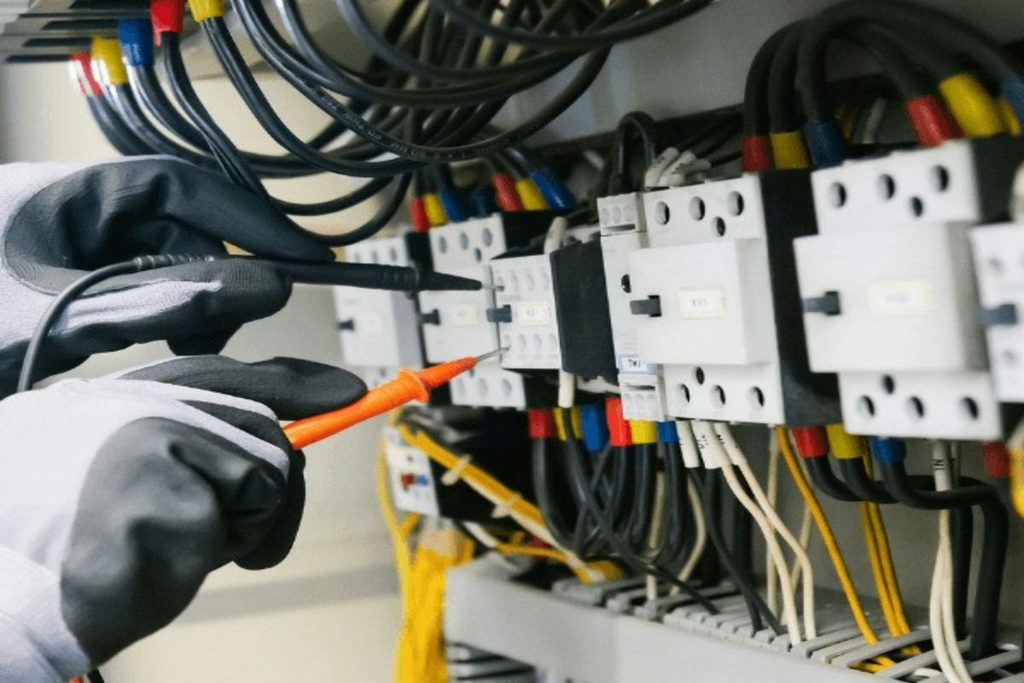
When someone interferes with an electricity meter or illegally bypasses a supply, the consequences can extend beyond the property involved. Unsafe connections may cause fires or electric shocks, potentially putting neighbouring households at risk. UK services such as Stay Energy Safe provides a dedicated service for people who suspect electricity theft but don’t want to become personally involved. Operated by the independent charity Crimestoppers on behalf of the energy industry, it allows members of the public to report energy theft anonymously through its website or by calling 0800 023 2777.
Both reporting options are available around the clock, and people aren’t required to provide their names. This makes the service particularly useful when concerns involve neighbours, landlords, or other individuals living nearby.
GOV.UK Electrical Safety Guidance
Tenants who discover unsafe wiring or faulty electrical equipment may be unsure whether their landlord is responsible for putting things right. GOV.UK provides guidance explaining the electrical safety standards that apply to rented accommodation in England. These resources outline landlords’ responsibilities for arranging inspections, maintaining safe installations, and addressing identified hazards. They also explain the UK services and options available when landlords fail to meet their obligations.
Welsh Government Housing Guidance
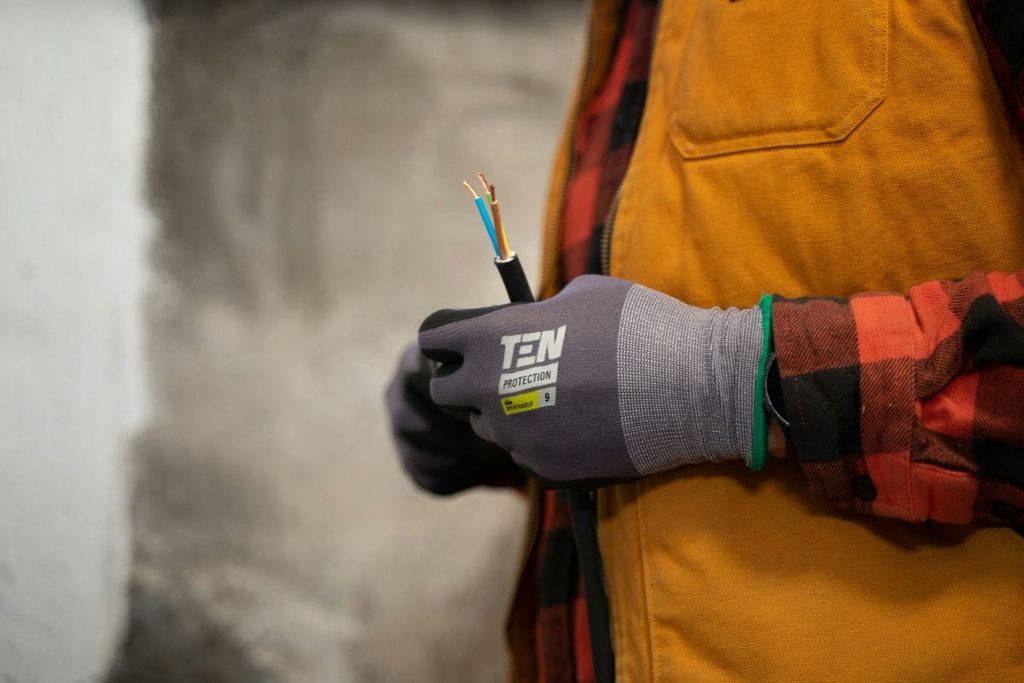
People renting homes in Wales can turn to the Welsh Government’s guidance on fitness for human habitation. This explains the standards landlords must meet to ensure properties are suitable and safe for occupation. Electrical safety forms part of these requirements, making the guidance particularly helpful when tenants have concerns about wiring, installations, or maintenance. Understanding these responsibilities can make it easier to raise problems with a landlord or seek further assistance.
Scottish Government Repairing Standard Guidance
Scotland has its own requirements for maintaining rented accommodation, with the Repairing Standard setting out landlords’ responsibilities. The Scottish Government provides information on these obligations, including requirements for electrical installations and inspections. Tenants who believe their property falls below the required standard can use this guidance to understand their rights and the available routes for resolving concerns.
Ofgem
Not every electrical concern involves a landlord. Sometimes, people discover damaged meter seals, unusual wiring, or other signs suggesting that someone has interfered with their electricity supply. Ofgem, Great Britain’s energy regulator, provides guidance on recognising suspected meter tampering and understanding the risks involved. Its advice encourages householders to contact their energy supplier promptly if they believe their own meter has been altered.
Although Ofgem isn’t an anonymous crime-reporting service, its information helps consumers identify the appropriate next steps without attempting dangerous repairs themselves.
Local Councils
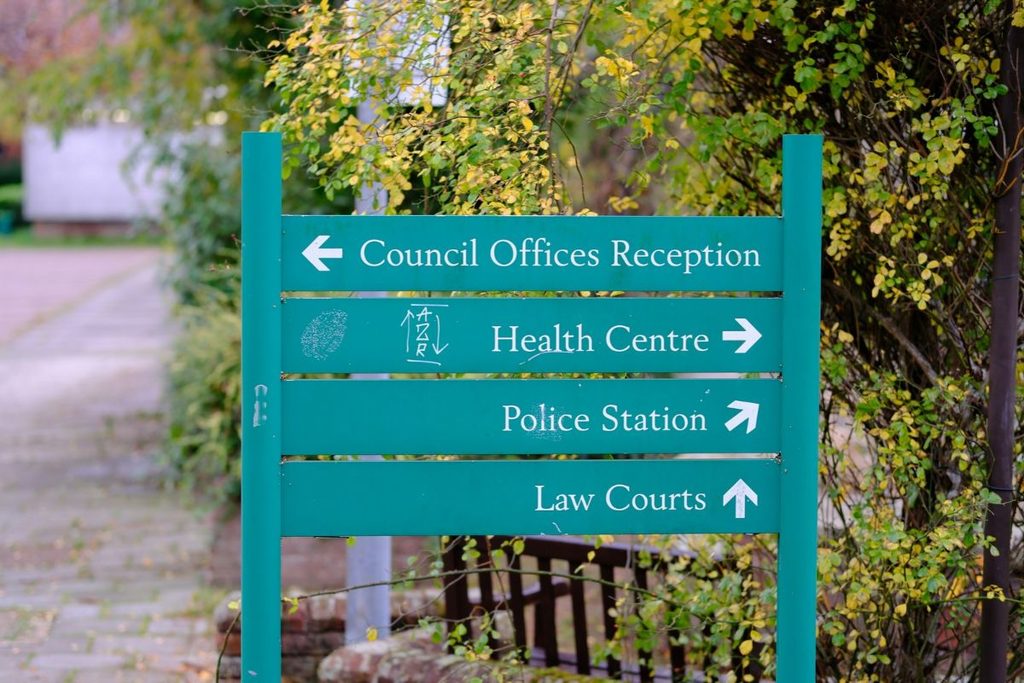
Local councils play an important part in addressing unsafe housing conditions and other concerns affecting neighbourhoods. Depending on the issue, their housing or environmental health teams may be able to investigate complaints about dangerous conditions in rented properties. GOV.UK provides a council-finding service that helps residents identify the appropriate local authority. Some councils offer confidential reporting arrangements, although the information required and the level of anonymity available will depend on the circumstances.
Shelter England
For tenants in England, discovering faulty wiring or other electrical hazards can be worrying, especially when a landlord is slow to arrange repairs. Shelter England helps renters understand what they can reasonably expect from their landlord and what to do when essential maintenance is overlooked.
Alongside practical information about housing conditions and repair responsibilities, the charity explains how tenants can pursue unresolved issues and where to seek further assistance. This gives people a clearer starting point when they want to make their home safe but aren’t sure how to approach the problem.
Shelter Scotland
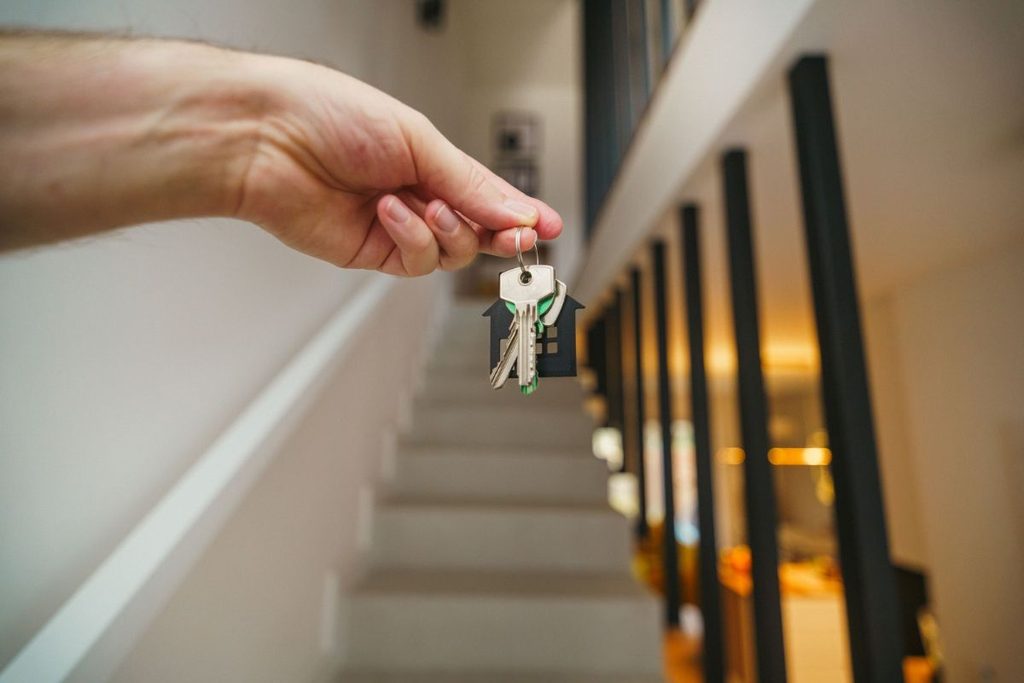
Scotland has its own legal standards for rented properties, including requirements designed to keep electrical installations safe. Shelter Scotland helps people navigate these rules, explaining how the Repairing Standard applies to their homes and what landlords must do to meet it.
If a property falls below the required standard, tenants can find information about requesting repairs and taking matters further through the appropriate channels. By connecting everyday housing problems with the protections available under Scottish law, the organisation helps renters understand when further action may be necessary.
Shelter Cymru
A safe home involves more than having a roof over your head, and in Wales, landlords must ensure their properties meet the requirements for fitness for human habitation. Shelter Cymru helps renters make sense of these standards, including what they mean when electrical installations or other essential parts of a property are in poor condition.
The organisation also offers housing advice to people facing difficult circumstances, from unresolved maintenance problems to disputes that threaten their ability to remain in their homes. For someone dealing with unsafe accommodation, this wider support can help them consider their next steps without losing sight of their housing situation.
Crimestoppers
Some safety concerns involve suspected criminal activity rather than a straightforward maintenance problem. When people are worried about being identified, Crimestoppers offers an anonymous way to pass on information. The independent charity accepts reports about a wide range of offences through its website and free telephone number, 0800 555 111. It also operates Stay Energy Safe, extending its anonymous reporting approach to suspected energy theft. Unlike general complaints services, Crimestoppers is specifically designed to protect the identity of people sharing information about crime.
Finding a Safe Way to Speak Up
Concerns about electrical safety, housing conditions, and suspected criminal activity shouldn’t be ignored simply because reporting them feels uncomfortable. However, choosing the right UK services and organisation matters, particularly when confidentiality is important.
Some services provide completely anonymous reporting, while others offer advice or formal complaints procedures that may require personal details. Understanding these differences helps people make informed decisions, raise concerns responsibly, and seek assistance without exposing themselves to unnecessary risks.
Images courtesy of unsplash.com and pexels.com