A fully booked service is usually good news. But when the walk-in fridge is packed, deliveries are arriving, and prep teams are balancing trays wherever they can find space, that success can quickly become a food safety and operational problem.
Cold storage shortages are rarely caused by one issue alone. A seasonal menu may require more fresh produce, a supplier may deliver in larger quantities, or a restaurant may be holding extra stock ahead of a bank holiday. In some cases, the existing refrigeration simply was not designed for the volume the business now handles.
Whatever the cause, the priority is to protect stock without disrupting service. Restaurants need practical ways to create capacity while maintaining correct temperatures, clear stock rotation, and a workable kitchen flow.
Start by Understanding Where the Pressure Is Coming From
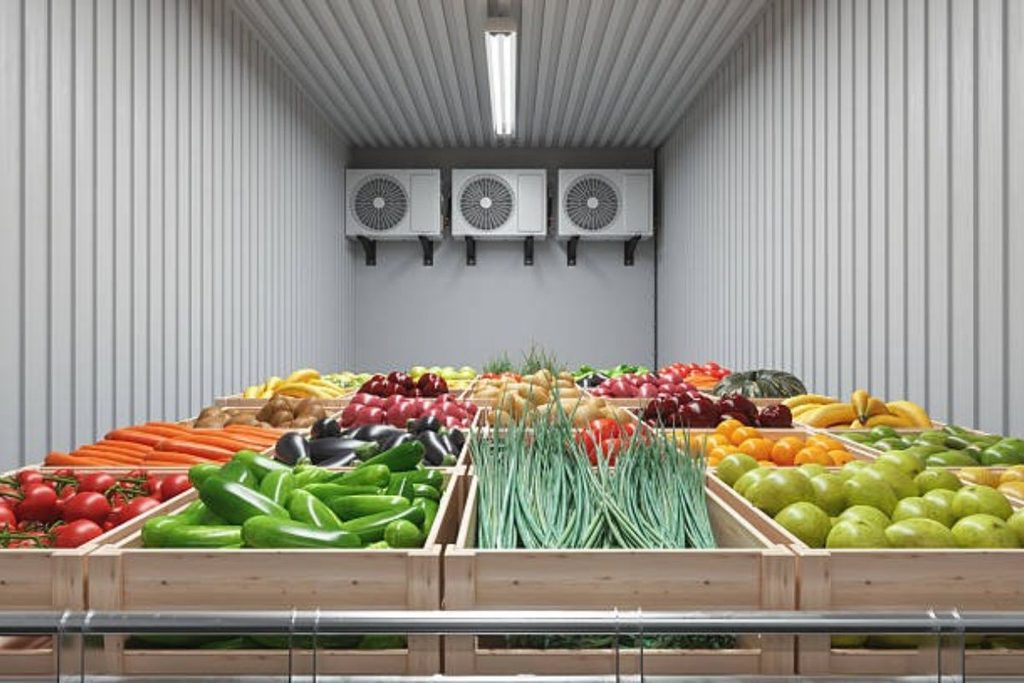
Before ordering additional equipment or changing delivery schedules, it helps to identify what is actually filling the fridge. Not all cold storage problems require the same solution.
For example, a restaurant may have plenty of room for chilled drinks but nowhere safe to hold prepared ingredients. Another may be storing too much frozen stock because menu forecasting is inconsistent. A third may find that bulky packaging, empty crates, or poorly organised shelving are taking up more space than food itself.
A quick review of the cold room can reveal immediate improvements:
- Separate raw ingredients, ready-to-eat food, dairy, produce, and beverages into defined zones.
- Label all prepared items with production and use-by dates.
- Move stock due to be used first to the front of shelves.
- Remove excess outer packaging where it is safe and appropriate to do so.
- Check whether slow-moving products are occupying prime storage space.
These steps will not solve every capacity issue, but they often buy valuable breathing room. More importantly, they prevent the temptation to overfill refrigeration units. Crowded fridges restrict airflow, making it harder to maintain consistent temperatures and increasing the risk of warm spots.
Improve Ordering and Delivery Routines
Cold storage capacity is closely tied to purchasing decisions. Many restaurants order based on habit rather than current demand, especially when supplier lead times are unpredictable. That can leave kitchens holding stock for longer than necessary.
Match Deliveries to Actual Demand
Use recent sales data, reservations, events, and weather forecasts to adjust ordering. A sunny weekend may increase demand for salads, desserts, and cold drinks, while a quieter midweek period may not justify the same volume of perishable ingredients.
Smaller, more frequent deliveries can reduce pressure on refrigeration, provided suppliers can support them. It may also be worth agreeing staggered delivery times. Receiving dry goods in the morning and chilled items later in the day, for instance, gives the team more time to put stock away properly.
Menu design matters too. If several dishes rely on unique, highly perishable ingredients, storage becomes more complicated. Building menus around cross-used components can reduce the number of separate items that need refrigeration.
Add Temporary Capacity During Busy Periods
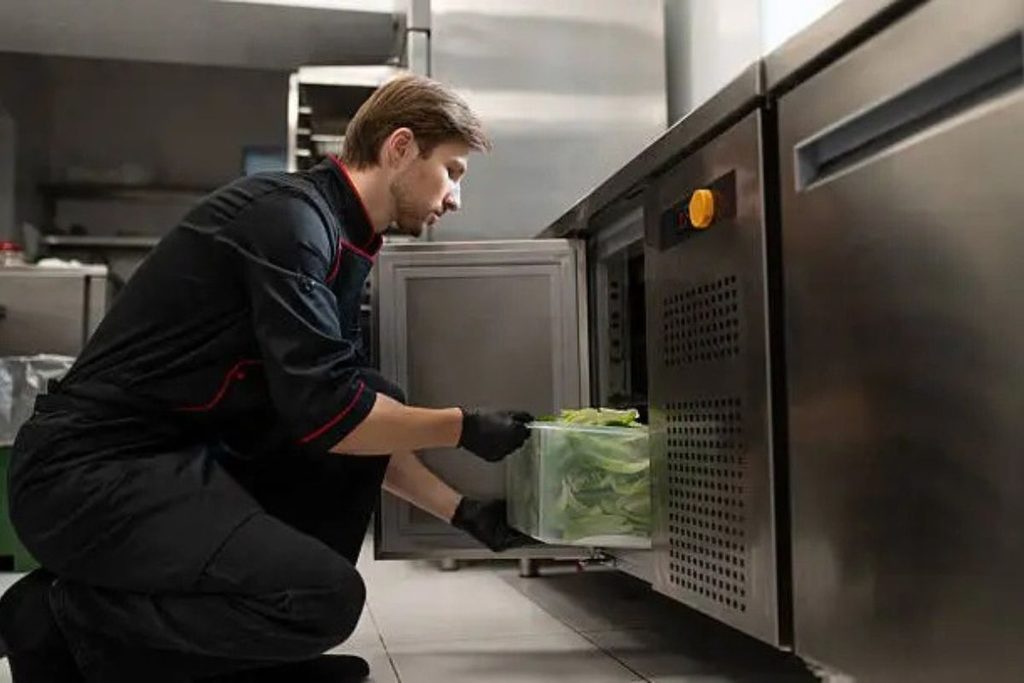
Sometimes better organisation and tighter ordering are not enough. Restaurants may need additional refrigerated space for a short period: Christmas trading, wedding season, a food festival, refurbishment work, or a temporary increase in covers.
In these situations, mobile refrigerated storage can offer a practical way to keep chilled or frozen stock close to the kitchen without making permanent changes to the premises. This is particularly useful for venues with limited back-of-house space, such as city-centre restaurants, pubs, event caterers, and pop-up concepts.
The key is to treat temporary storage as part of the food safety system, not as an overflow area where stock disappears. Assign responsibility for temperature checks, stock rotation, cleaning, and access. If staff are constantly moving between the kitchen and an external unit, plan that movement carefully so it does not slow service or create confusion over where ingredients are held.
Choose the Right Temperature Zone
Additional capacity is only helpful if it matches the stock being stored. Chilled ingredients, frozen products, drinks, desserts, and prepared foods may all have different requirements.
Avoid using a single unit as a catch-all unless it is managed carefully. Keeping items grouped by temperature need and food category makes it easier to monitor safety and maintain good stock control. It also reduces the chance of raw foods being stored above ready-to-eat products or allergens being mixed with other ingredients.
Protect Food Safety When Space Is Tight
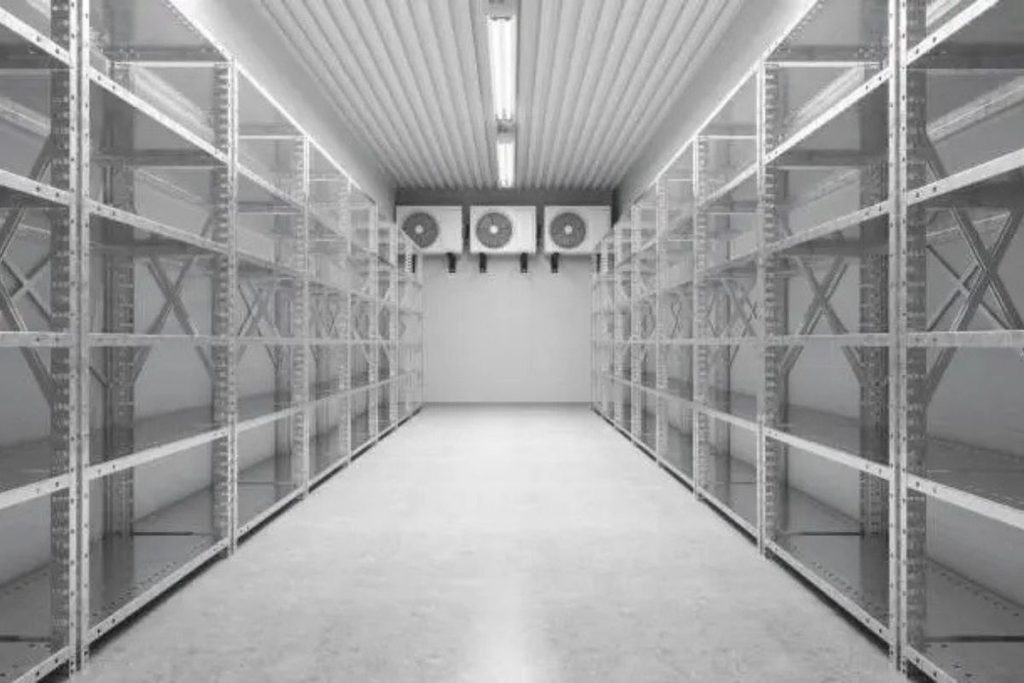
When storage is full, teams often focus on finding somewhere—anywhere—to put incoming deliveries. That is when standards can slip.
Food should never be left at room temperature while staff “make space” in a fridge. Deliveries should be checked promptly, stored quickly, and rejected if products arrive outside the required temperature range or with damaged packaging.
Restaurants should also keep an eye on the basics that become harder to manage in crowded storage:
Temperature Monitoring
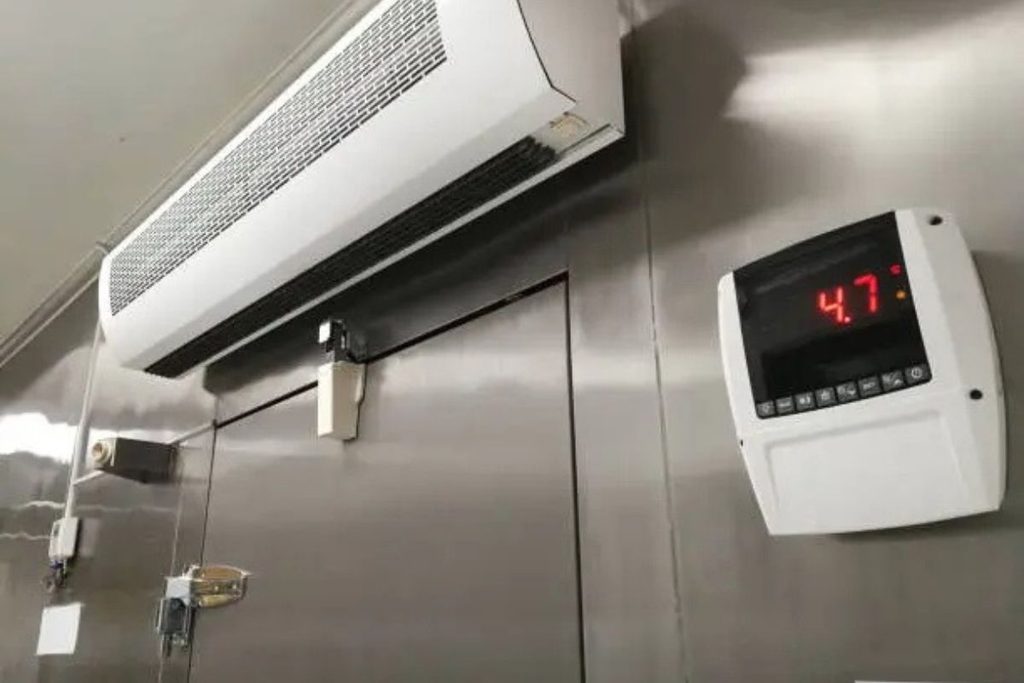
A fridge display is useful, but it should not be the only check. Independent thermometers and recorded temperature logs provide a clearer picture of whether food is being held safely. If temperatures are creeping up because the unit is overloaded, action needs to be taken immediately.
Airflow and Shelf Space
Refrigerators need gaps around stock for cold air to circulate. Boxes pushed against vents, trays stacked too high, and overloaded shelves can all prevent the equipment from performing properly. Full does not have to mean crammed.
Cleaning and Maintenance
Busy periods often mean more spillages, condensation, and cardboard debris. Regular cleaning is essential, particularly around door seals, shelving, drains, and fan areas. A poorly maintained fridge works harder, uses more energy, and is more likely to fail when the kitchen can least afford it.
Build a Longer-Term Storage Plan
If cold storage is regularly full, the issue is no longer temporary. It may be time to reassess the kitchen’s capacity against the restaurant’s current trading model.
Growth is a positive sign, but it changes operational needs. A venue that once relied on daily purchasing may now need more robust storage, different delivery arrangements, or a redesigned prep schedule. Tracking when storage pressure occurs can help identify patterns. Is it every Friday? Only during December? Whenever a large booking is scheduled?
That information supports better decisions than simply buying more refrigeration. The right answer may be a larger walk-in, additional freezer capacity, revised menus, or a more disciplined ordering process.
Ultimately, restaurants should see cold storage as an active part of service, not a back-of-house afterthought. When it is organised, monitored, and matched to demand, the kitchen can handle busy periods with far less stress—and without compromising the quality or safety of the food leaving the pass.
Images courtesy of unsplash.com, Freepix.com and pexels.com