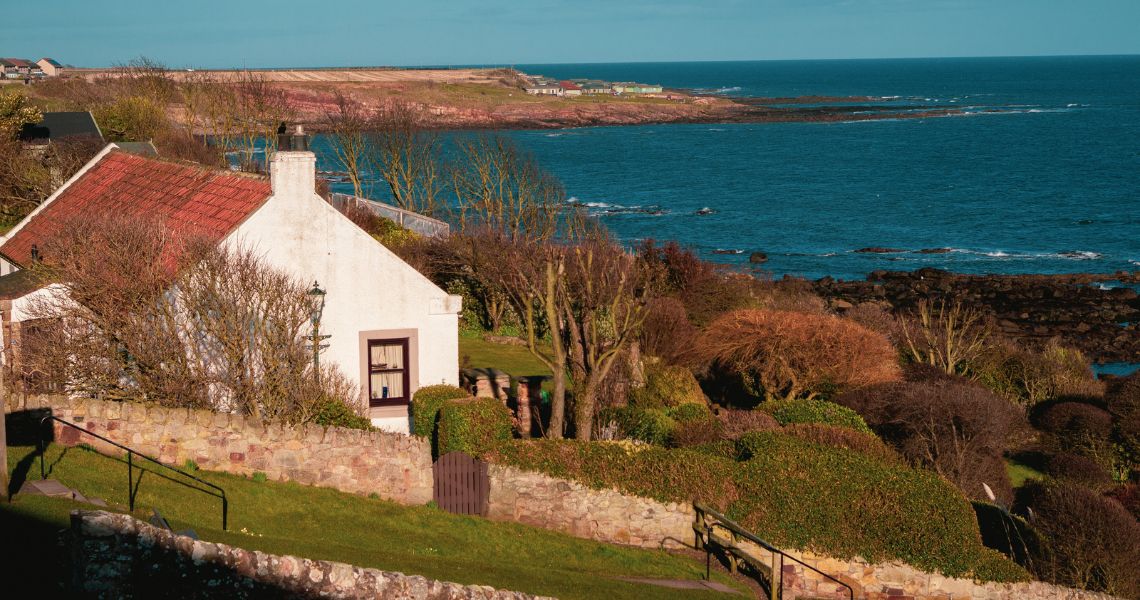
There’s a particular kind of happiness that comes from walking into a warm house after a walk in weather that would strip the paint off a gate. Coat still damp, hands like ice blocks, and then that first blast of proper heat hits you in the hallway. If you’ve ever spent a winter in Ireland or Northern Ireland, you know that feeling isn’t a luxury, it’s practically a national pastime.
We talk a lot in this magazine about the finer things, good food, nice interiors, a decent glass of something by the fire, but honestly, none of it means much if the house itself is Baltic. So this winter, rather than another feature on candles and cushions (lovely as they are), we wanted to look at the thing that actually makes an Irish home feel like a home, staying cosy in November through to March: proper, reliable heating.
Cosy isn’t just an aesthetic, it’s a temperature
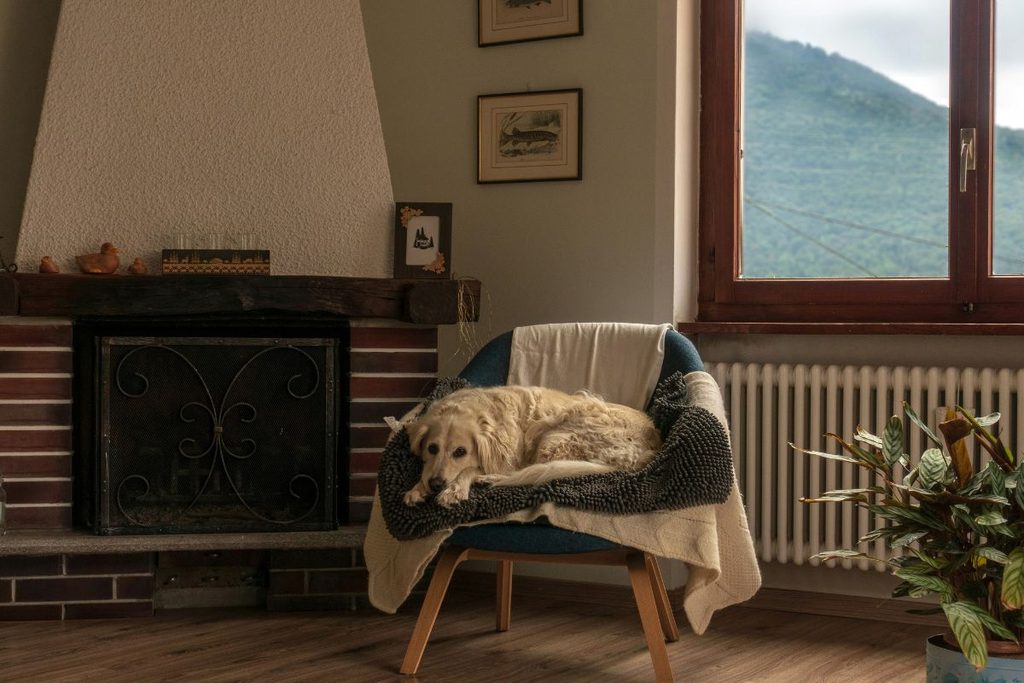
There’s a whole industry built around “hygge” and cosy home styling, chunky knit throws, fairy lights, the works. All grand, but a beautifully styled living room with a chilly radiator underneath it is a bit like a lovely dinner served cold. The styling is only half the story.
Plenty of Irish homes, particularly outside the cities and larger towns, aren’t on the mains gas network at all. That’s just geography, not a design flaw, but it does mean the heating conversation is a bit different than it might be for a London flat with gas central heating as standard. Homeowners here are usually choosing between oil, electric, solid fuel, or LPG, and increasingly, that last option is winning people over for reasons that go beyond just “it’s warm.”
Why LPG has become the quiet favourite
Here’s the thing about LPG that doesn’t get talked about enough outside of trade circles: it behaves exactly like mains gas once it’s in your house. Same instant hot water, same responsive boiler, same ability to just twist the dial and have the whole house warm within the hour, rather than waiting on storage heaters to slowly release their stored heat from the night before like some kind of thermal hangover.
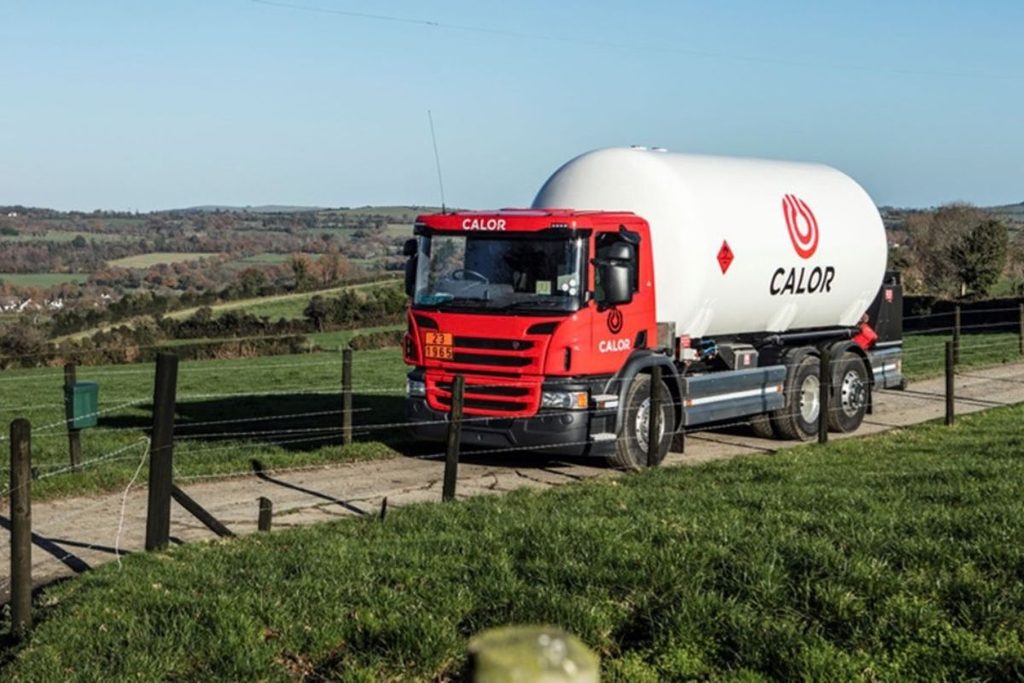
Calor Ireland supplies LPG to homes right across the country, tank installed discreetly in the garden, gas delivered by tanker, and from there it works exactly like any other gas central heating system. No mains connection required, which for a huge number of Irish and Northern Irish homes is precisely the point.
What’s making people actually sit up and consider it this year isn’t just the reliability though, it’s that the greener option now exists without needing to gut your heating system to get it. If you’re weighing up whether to switch to LPG from oil or old electric storage heaters, it’s a much less dramatic upheaval than people assume, an installer sorts the tank and connections, and most modern boilers and cookers take to it without a fuss.
Warmth with a lighter conscience
Here’s where it gets genuinely interesting for anyone who cares about their carbon footprint but isn’t ready to rip out a perfectly good boiler for a heat pump they can’t quite afford this year. Calor now produces BioLPG, made from sustainably sourced waste and renewable vegetable oils rather than fossil sources, and it’s chemically identical to conventional LPG. That means it runs through the exact same pipes, tanks, and appliances, no new kit required.
Homeowners can switch to BioLPG in a blend that suits them, a smaller percentage to start dipping a toe in, or further along if they want a bigger cut in emissions. It’s one of the more sensible “green upgrade” conversations going, because it doesn’t ask you to overhaul your entire home to make a difference. For a lot of us, that’s the difference between actually doing something about our carbon footprint this winter, versus just meaning to and never quite getting round to it.
Making the actual room feel like a hug
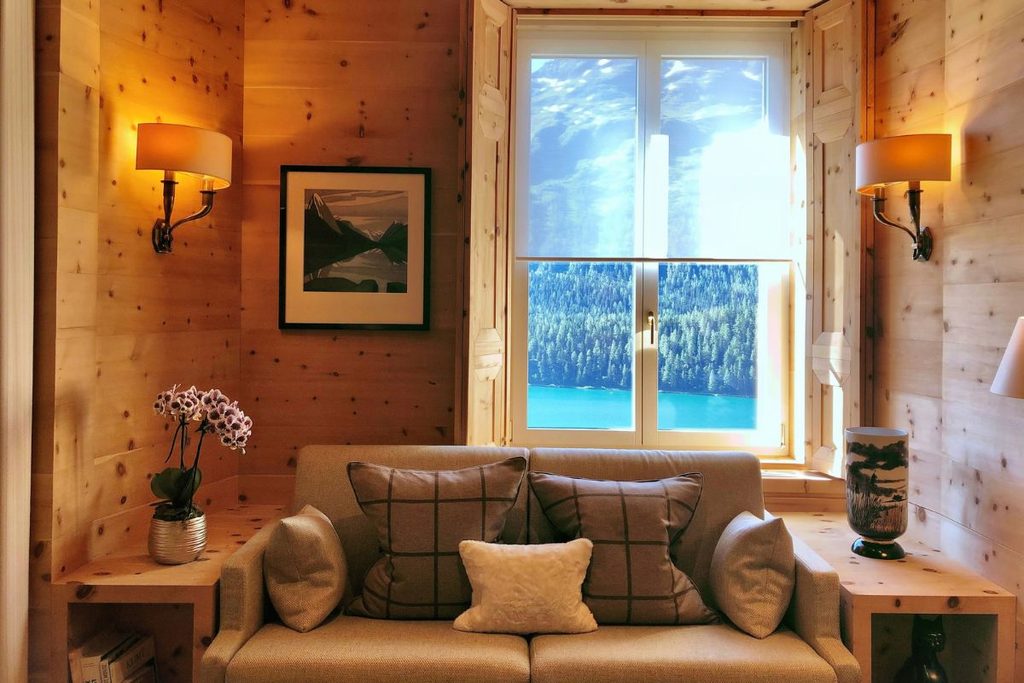
Once the heating side is sorted, the fun bit starts, and this is where the styling genuinely does matter. A few things that make an Irish home feel properly cosy and wrapped up for winter:
Layer your textiles. Wool throws, thick curtains that actually close properly (so many don’t), a rug over cold flooring. Simple, but it holds heat in a room far better than people give it credit for.
Get the lighting warm, not bright. Swap anything clinical for warmer bulbs, lamps instead of overhead lights where you can. It changes the whole feel of a room in winter.
Don’t underestimate a hot water bottle. Genuinely. Even with the heating cranked up, there’s something about a hot water bottle on the sofa that no thermostat setting replicates.
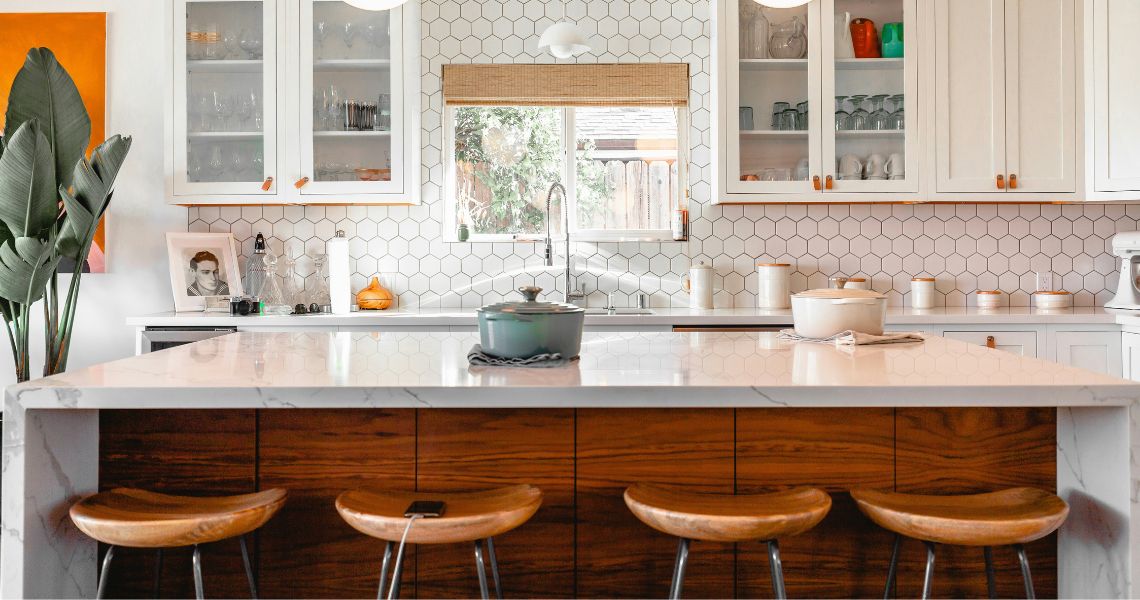
Keep the kitchen the heart of it. Slow cooked stews, mulled something or other, the oven running longer than usual, it all adds warmth beyond just the food itself.
The bottom line
An Irish winter has a way of testing your house honestly, no amount of nice cushions covers for a heating system that can’t keep up. Whether you’re in a cosy cottage outside Kilkenny, a farmhouse in Fermanagh, or a bungalow along the Antrim coast, getting the heating sorted properly before the cold really sets in is what makes everything else, the candles, the throws, the good food, actually land the way it’s supposed to.
So before you get too deep into the styling, have the boring but important conversation with a heating supplier about what actually keeps the house warm and cosy. Your future self, curled up on the sofa in January with the rain hammering the windows, will thank you for it.
There’s also a practical timing point worth making. Heating suppliers, like everyone else in the trades, get busier as the weather turns, and installers, tank deliveries, and boiler services all tend to book up once the first proper cold snap catches people off guard. Sorting it out now, while there’s still a bit of daylight left in the evenings and the roads aren’t a lottery, tends to be a far calmer experience than trying to arrange it in the middle of a January storm with a house full of visiting relations and a boiler that’s decided to give up at the worst possible moment. It’s a small bit of forward planning that pays for itself many times over once the real cold arrives.
Images courtesy of unsplash.com and pexels.com.