Most people who start looking into remote coaching are already stuck somewhere. They have been training for a while, or they have tried and stopped several times, and something is not working the way they hoped it would. The same handful of problems come up again and again in enquiry calls, and they tend to be fixable.
Five patterns in particular suggest that structured coaching with an online personal trainer would change things for you. Recognising one is enough to be worth acting on, and recognising three or four means you have probably been working harder than necessary for results that never quite arrive.
1. You Have Been Training for Months Without Any Real Progress
Your lifts have sat at the same weight since spring, the tape measure says nothing new, and the progress photos look identical. Effort is not the issue, since you are turning up and working hard. The usual culprit is a lack of progressive overload, meaning nothing about your training has actually asked your body to adapt. Programme hopping makes it worse, because switching plans every three weeks means no single approach ever runs long enough to work.

Fix it by keeping a written log of every session, including weight, reps and how difficult the final set felt, then committing to one structure for at least eight weeks. An experienced online personal trainer will build in planned increases rather than leaving progression to chance, and services such as online personal training with Expert PT will review those logs with you so stalls get spotted in week two rather than month four.
2. Your Schedule Makes Fixed Gym Appointments Impossible
Shift patterns, childcare, unpredictable overtime and regular travel all make a standing Tuesday slot with a face-to-face coach unworkable. Plenty of people sign up for in-person sessions, cancel half of them and end up paying for training they never received. The frustration is not about commitment; it is about a model that assumes your week looks the same every week.

Remote coaching removes the appointment entirely, since your programme sits in an app and you train when the gap appears. Make the most of that flexibility with a simple weekly plan drawn up each Sunday, pencilling in three realistic windows and treating them as fixed. Tell your coach honestly how many hours you have, because online personal training works best when the plan matches the life you actually live rather than the one you intend to live from next month.
3. You Walk Into the Gym Without a Plan
Deciding what to train once you have already arrived leads to the same outcome most times: a familiar machine, a few sets of something you enjoy, twenty minutes on the treadmill and out. Compound lifts get avoided because they feel intimidating without guidance, and the sessions that would move you forward quietly drop off the schedule.
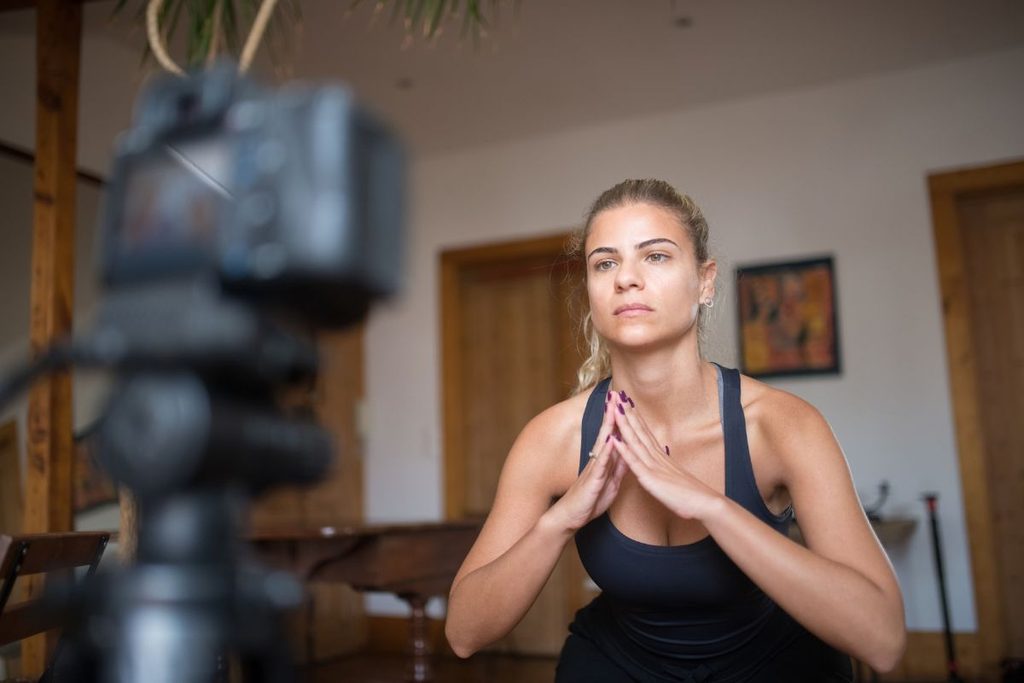
A written programme removes every one of those decisions before you leave the house. Have your session open on your phone, know your first exercise and your starting weight, and the first ten minutes stop being guesswork. Ask your coach to include warm-up sets, rest periods and a target rep range for each movement, then follow the order as written. Structure also gives you something to review afterwards, which is where the useful conversations with a coach begin.
4. Motivation Fades After the First Few Weeks
The pattern is familiar to almost everyone. Three strong weeks, a fourth where two sessions get missed, and by week six the kit bag has not moved from the hallway. Training alone means nobody notices when you stop, and nobody is waiting on your next check-in.

Accountability changes the maths considerably. Knowing that someone reviews your completed sessions each week makes missing them a conversation rather than a private decision, and a good online personal trainer will ask why a session was skipped rather than ignoring the gap. Support this by setting yourself a minimum standard for bad weeks, perhaps two shortened sessions instead of four full ones, so a difficult fortnight does not become a full stop. Scheduled check-in calls help as well, since having a date in the diary tends to concentrate the mind on the week leading up to it.
5. You Are Unsure Whether Your Technique Is Safe
Persistent niggles in your lower back after deadlifts, a shoulder that aches following pressing, or a general hesitancy around loading certain lifts all point the same way. Copying form from a video gives you the shape of a movement without any feedback on whether you are actually performing it correctly, and small faults become painful ones once the weight climbs.
Video review solves this properly. Film your working sets from a 45-degree angle with your full body in frame, send them across and expect specific corrections rather than general encouragement. Good coaching cues give you one thing to change per lift, applied across the following week, then reviewed again. Regular feedback of this kind is one of the clearest arguments for online personal training, because you get technique analysis on every session rather than only during the hour a face-to-face coach is standing beside you.
Recognise Yourself in Any of These?

The five signs worth acting on:
- Months of consistent effort with no measurable progress
- A schedule that will never accommodate fixed appointment times
- Sessions decided on the spot once you have already arrived
- Motivation that holds for a few weeks and then disappears
- Uncertainty or discomfort around your lifting technique
Any one of these is enough reason to seek proper coaching, and none of them reflects badly on you. They are structural problems with structural solutions, and most people see the difference within the first month of following a plan built for them. Get in touch today to book an initial consultation and find out what a tailored approach could do for your training.
Images courtesy of unsplash.com and pexels.com.