In a world where so much brand interaction happens on a screen, physical details can feel surprisingly memorable.
A well-designed event space, a thoughtfully packaged product, or a small item handed to a guest at the right moment can help people feel more connected to a brand. These details do not need to be expensive or elaborate. Often, their value comes from timing, usefulness and emotional relevance.
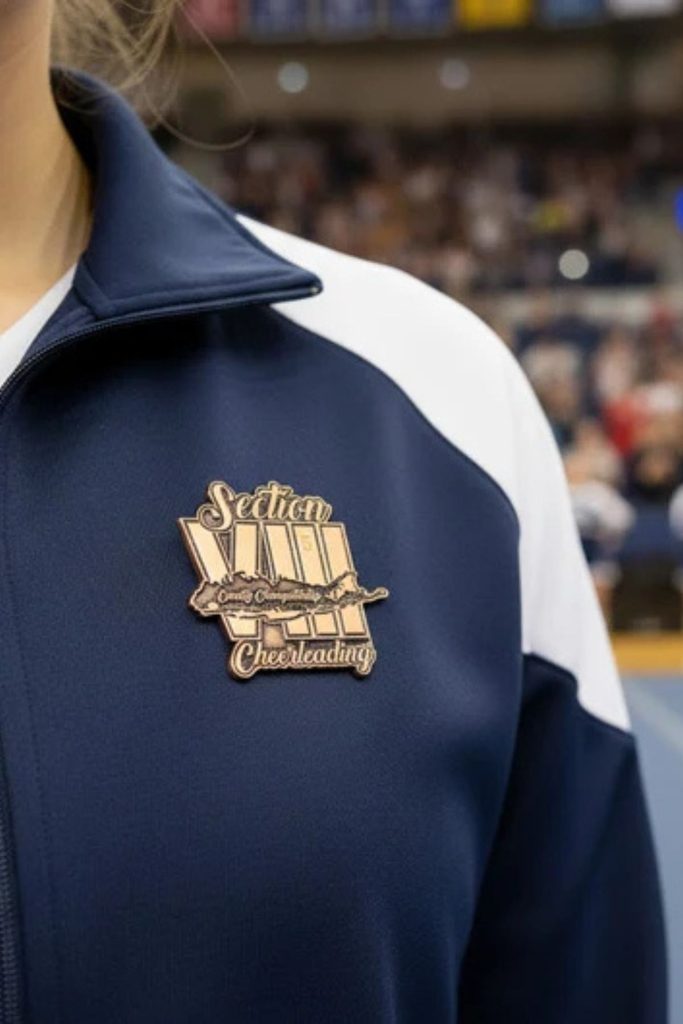
For businesses, charities, creative organisations and hospitality brands, the question is not simply what can we give people. It is what will they remember, keep or associate with the experience afterwards. Physical keepsakes can play a useful role in that answer.
Why Tangible Details Still Matter
Digital communication is quick, flexible and essential. It allows brands to reach people at scale and respond in real time. Yet it can also be easy to scroll past, close or forget.
Physical items work differently. They occupy space. They can sit on a desk, travel on a jacket, live in a notebook or become part of someone’s daily routine. That presence can extend the life of an event, campaign or customer interaction.
This is particularly important for experiences that already have a strong emotional element. A product launch, charity fundraiser, music event, hotel opening or members’ evening may last only a few hours, but the feeling around it can last much longer when people take something meaningful away.
The item itself does not need to do all the work. It simply needs to act as a reminder of a wider moment.
Start With the Experience, Not the Item
One common mistake is choosing branded items before thinking about the audience or occasion. This can lead to clutter, waste and objects that are quickly forgotten. A more useful approach is to begin with the experience.
Is the event formal or relaxed? Is the audience made up of loyal customers, first-time visitors, staff, press, donors or local residents? Will people be travelling light, attending a full-day conference or visiting a pop-up space for ten minutes? The answers shape what kind of keepsake makes sense.
For example, guests at a premium hospitality event may appreciate something subtle and elegant. Festival attendees may prefer something wearable and expressive. Employees at an internal celebration may value an item that marks belonging or achievement. When the keepsake fits the setting, it feels considered rather than random.
Make It Easy to Keep
The most memorable physical details are often the easiest to keep. Large items can be impressive, but they are not always practical. If someone has to carry a bulky gift across town, pack it into hand luggage or find space for it at home, the item may lose its appeal quickly.
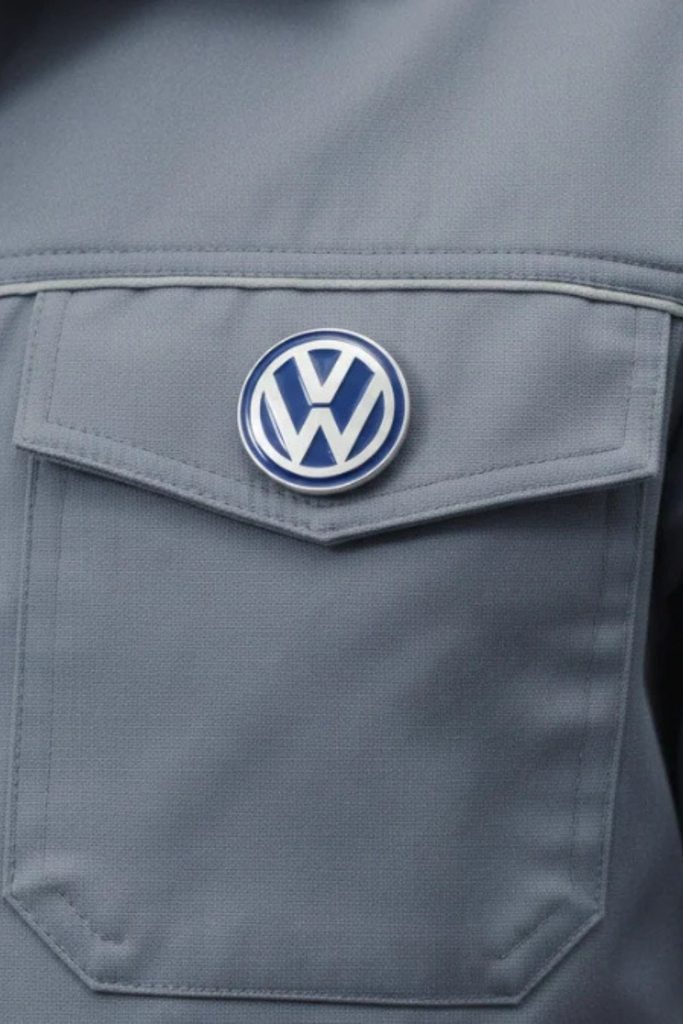
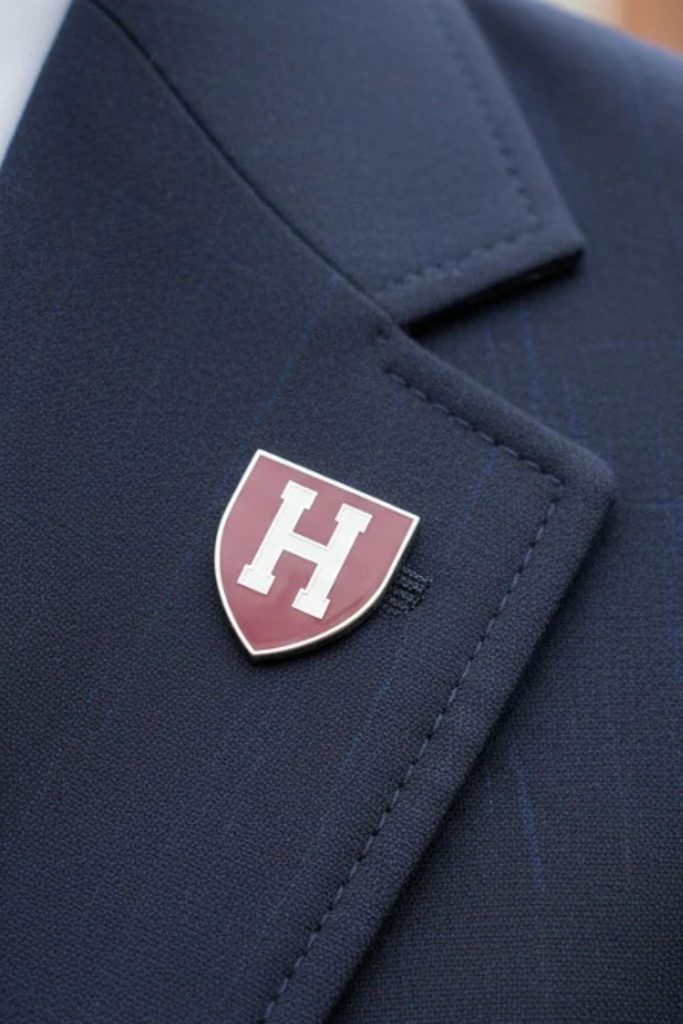
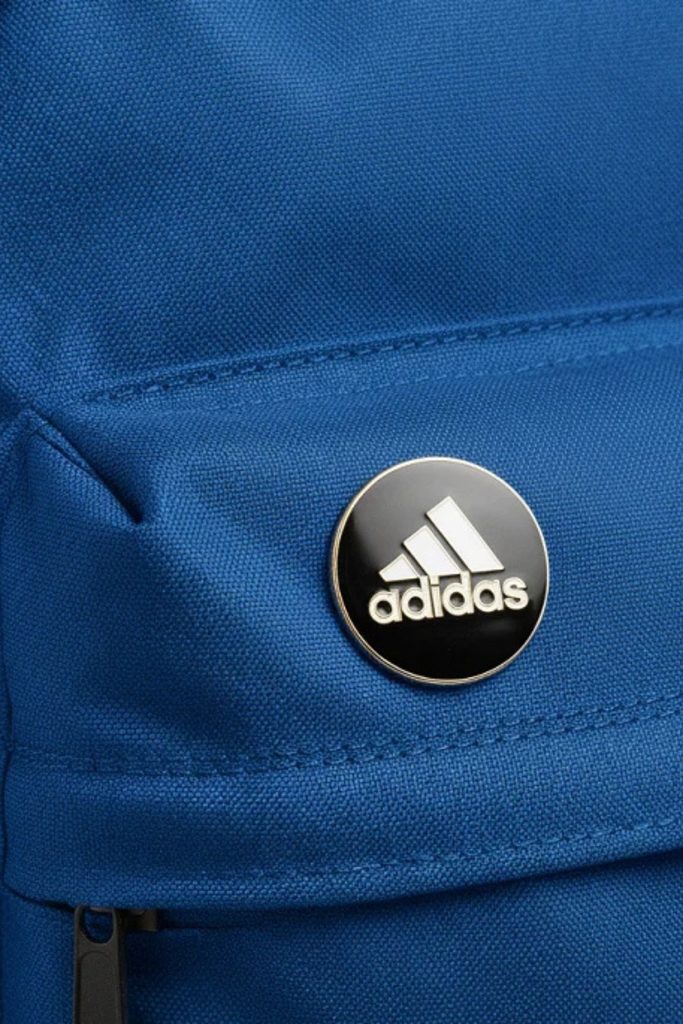
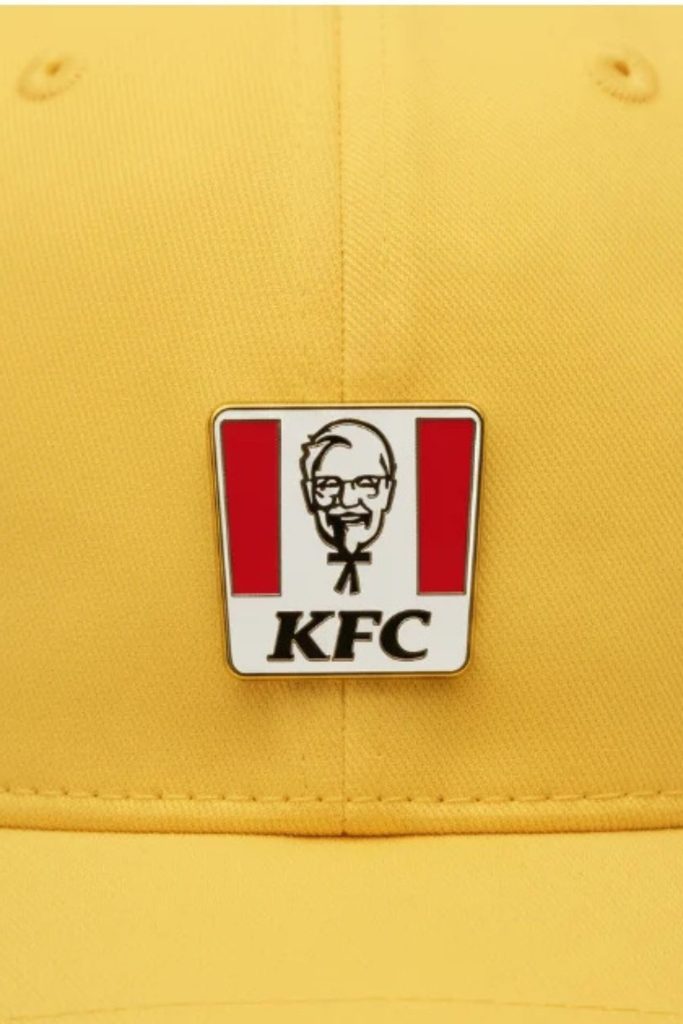
Small on brand items can have an advantage. They are portable, simple to distribute and less likely to become a burden. This is one reason badges, patches, notebooks, cards, keyrings and pins continue to appear across events and campaigns.
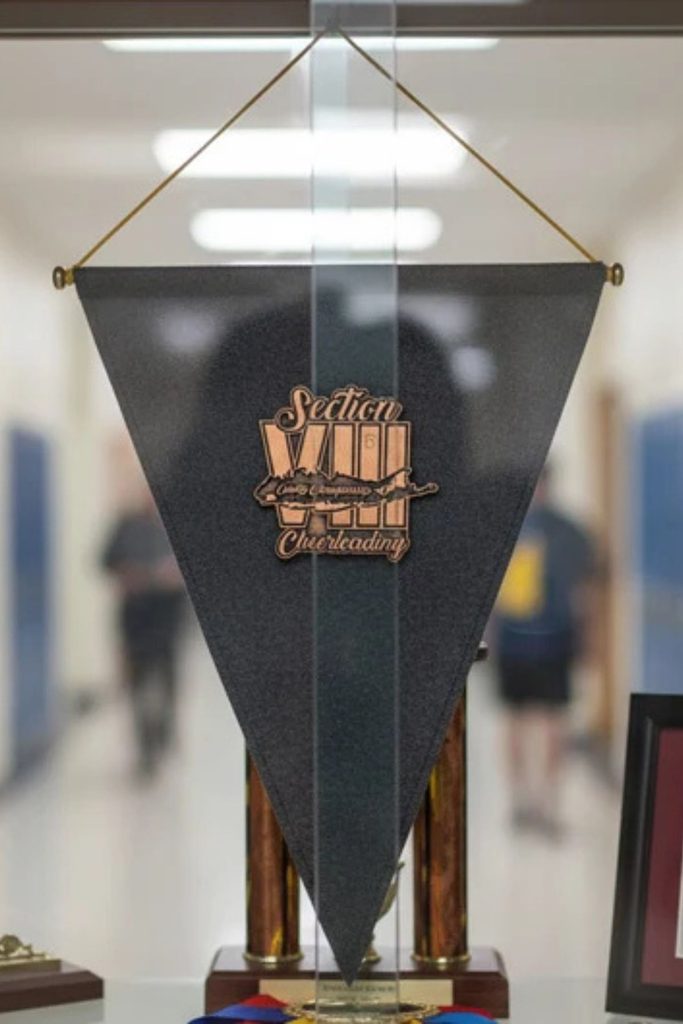
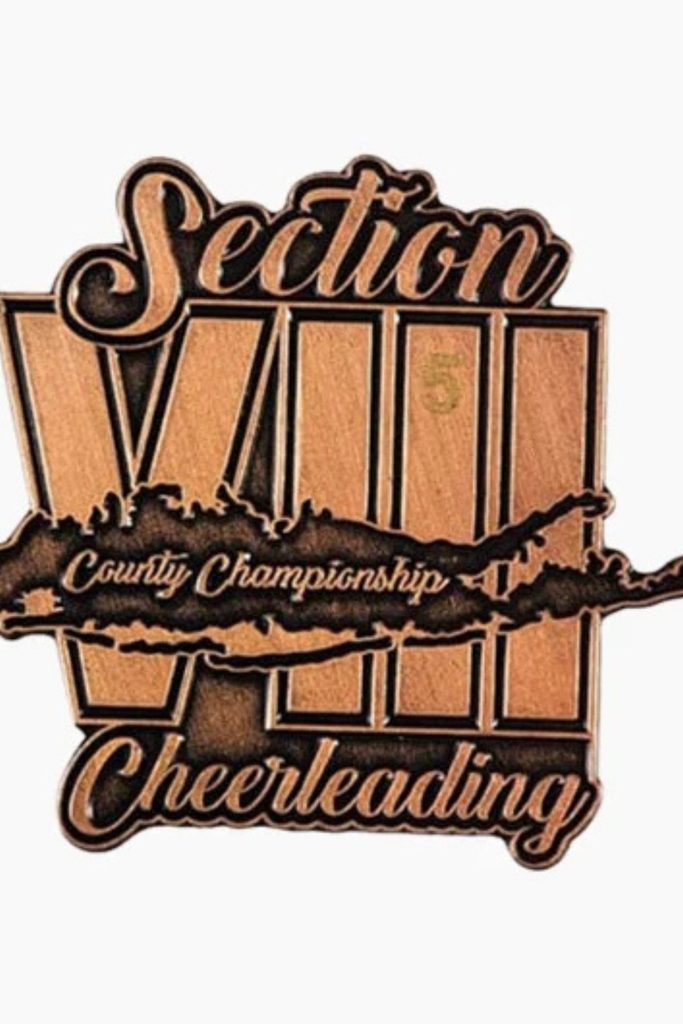
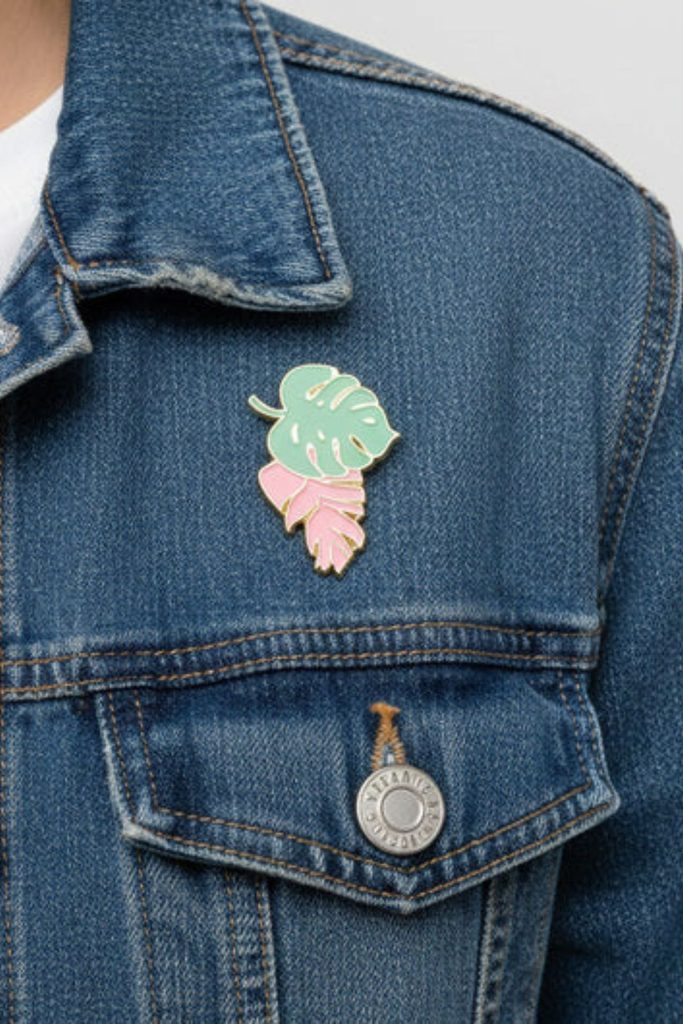
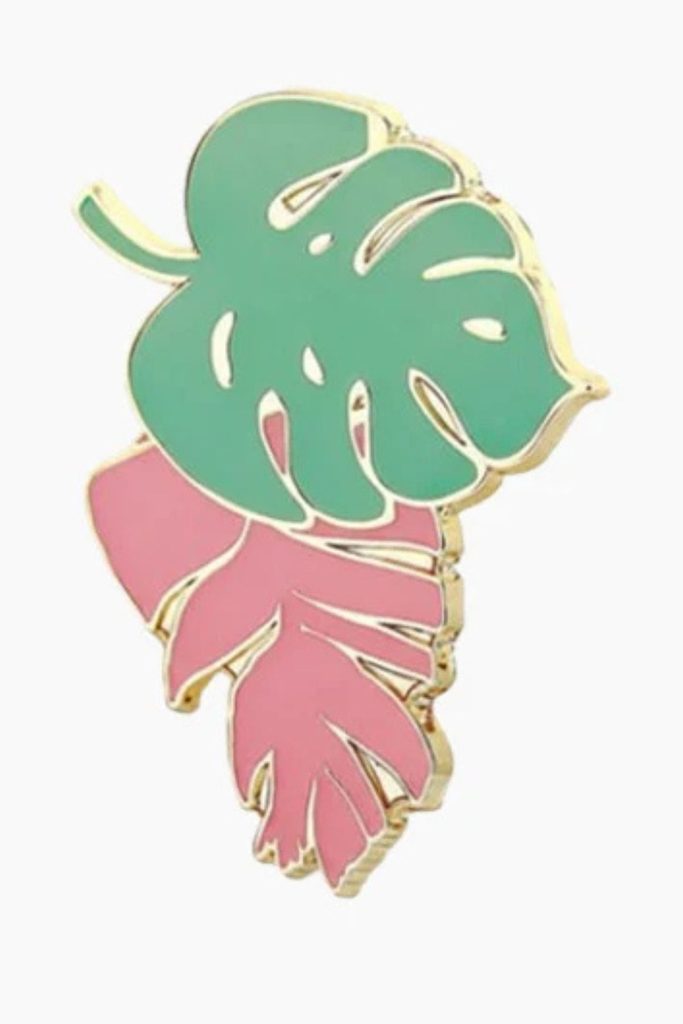
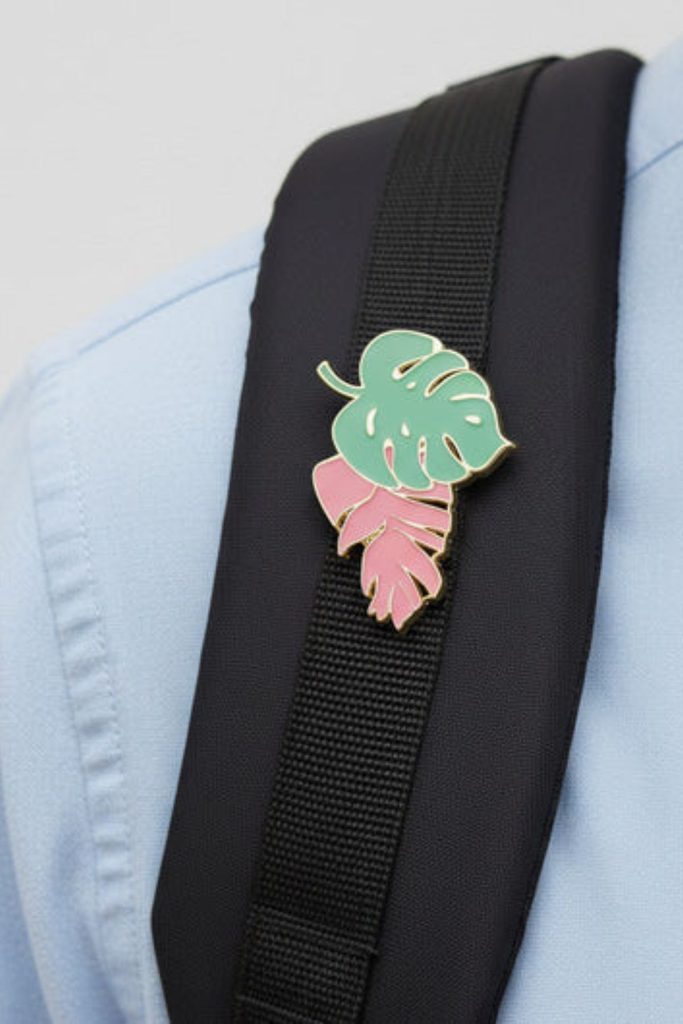
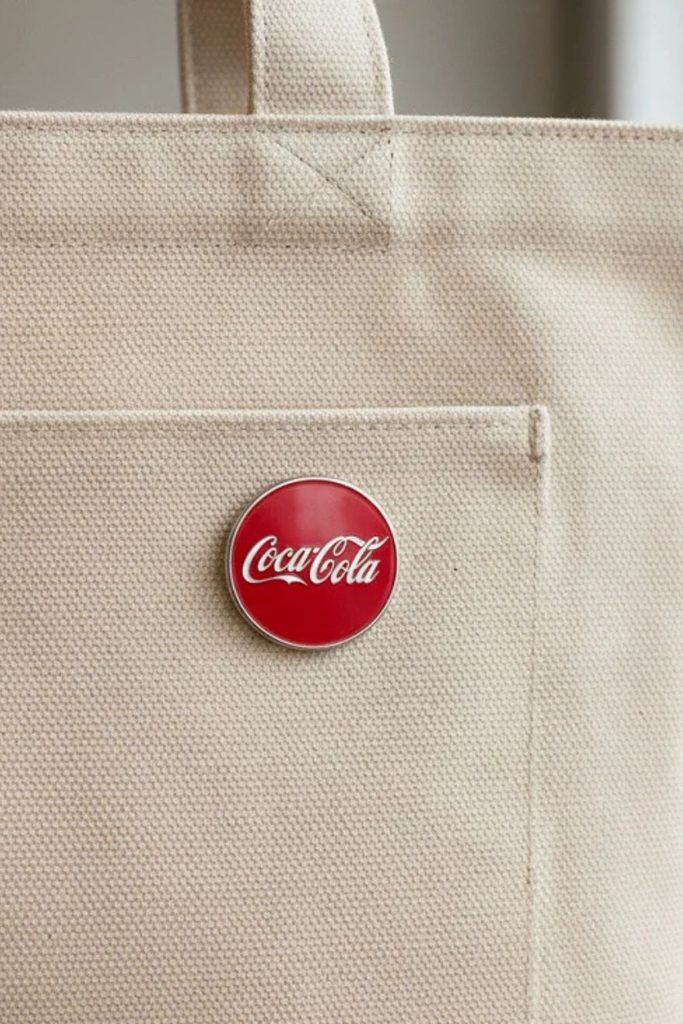
For smaller runs or event-specific designs, custom enamel pins can give guests something compact, wearable and tied to the occasion without taking over the wider brand experience. The key is restraint. A keepsake should complement the event, not dominate it.
Design Should Feel Connected to the Story
A physical keepsake becomes more valuable when it carries a story.
That story might be visual, such as a colour palette taken from the event identity. It might be seasonal, linked to a summer launch, festive gathering or anniversary. It might also be symbolic, using an icon, phrase or illustration that means something to the audience.
For a local food brand, a keepsake could feature a recognisable ingredient or landmark. For a theatre production, it might reference a character, prop or line from the show. For a charity, it may represent a campaign theme in a way supporters can wear or display.
Good design does not always mean adding more detail. In many cases, a simple shape, limited colours and clear purpose create a stronger result. The aim is for someone to understand why the item exists and why it belongs to that moment.
Quality Shapes Perception
People make quick judgements about physical items. Weight, finish, colour and packaging all influence how something feels.
A lightweight item with poor printing may suggest little care went into the gesture. A well-made but simple keepsake can create the opposite impression. It shows that the brand has considered not only what people see on the day, but what they take away afterwards.
This does not mean every detail needs to feel luxurious. The right quality level depends on the setting. A community event, student campaign or casual pop-up will have different expectations from a private dinner or corporate anniversary.
However, consistency matters. If the wider brand experience is polished, the take-home detail should not feel like an afterthought. If the experience is playful and informal, the keepsake can reflect that energy while still being well produced.
Think About Distribution
How an item is given can matter almost as much as the item itself. A keepsake handed over with no context may be ignored. One presented at a meaningful moment can feel more personal.
At a conference, it could be included in a welcome pack alongside a simple note. At a product launch, it might be available at the end of a guided experience. At a staff celebration, it could be given during a recognition moment rather than left on a table.
Distribution also affects practical planning. Organisers need to consider quantities, storage, accessibility and timing. If guests are expected to wear or use the item during the event, it should be available early. If it is intended as a reminder, it may work better as a closing gesture.
Small planning decisions can make the difference between an item being valued and one being overlooked.
Avoid Creating More Waste
Modern audiences are increasingly aware of waste. A physical item that feels disposable can work against the experience it was meant to support. This does not mean avoiding all branded keepsakes. It means choosing more carefully.
Useful questions include: will people keep this beyond today? Is the design specific enough to feel meaningful, but not so narrow that it loses relevance immediately? Is the quantity realistic? Can the item be produced in a way that avoids unnecessary packaging?
It is also worth considering whether every attendee needs the same thing. Sometimes a smaller quantity of better-considered items can be more effective than a large volume of generic giveaways. Thoughtfulness is often noticed.
Where Keepsakes Work Particularly Well
Physical keepsakes can be useful in many settings, but they tend to work especially well when there is a clear sense of identity or community.
Membership organisations can use them to reinforce belonging. Hospitality venues can create small reminders of a launch, refurbishment or seasonal experience. Creative brands can turn visual identity into something collectible. Charities can offer supporters a discreet symbol of shared purpose.
They can also help mark milestones. A fifth anniversary, new location, limited collaboration or campaign achievement can all be made more tangible through a small object that people associate with the moment. The more specific the reason, the more meaningful the item tends to feel.
Conclusion
Physical keepsakes are not about adding more things for the sake of it. They are about extending the feeling of an experience in a way people can hold, wear, use or remember.
When chosen with care, small branded details can support storytelling, strengthen a sense of connection and give audiences a reason to remember an occasion after it has ended.
The most effective approach starts with the audience and the moment. From there, the right item becomes less of a giveaway and more of a thoughtful finishing touch.
Images supplied. Feature image courtesy of unsplash.com