

Let’s face it, most of us spend more hours at our desks than we’d probably like to admit. Whether that’s a proper office, a home set-up squeezed into the corner of a spare room, or somewhere in between, the space you work from has a bigger impact on your day than you might think. We’re talking energy levels, focus, mood, and yes, that nagging ache in your lower back by 3pm that you’ve just started accepting as normal. Spoiler: it doesn’t have to be.
We reckon comfortable working spaces aren’t a nice-to-have anymore, they’re essential. So let’s dig into why comfort matters so much, and what’s actually worth investing in if you want your working day to feel a little easier on the body.
Comfort Isn’t Just About Feeling Nice

When we talk about a “comfortable” office, it’s easy to picture soft lighting and a nice plant on the desk. Lovely touches, sure, but real comfort runs a bit deeper than aesthetics. It’s about whether your body is properly supported through a full working day, not just for the first hour before the aches creep in.
Think about it this way: if you’re constantly shifting in your seat, rolling your shoulders, or standing up every twenty minutes because your back’s had enough, that’s energy and focus being pulled away from the actual work. Multiply that by every day of the working week, and it adds up to a lot of lost concentration, not to mention a lot of unnecessary discomfort.
Standing Desks: Not Just A Trendy Office Upgrade
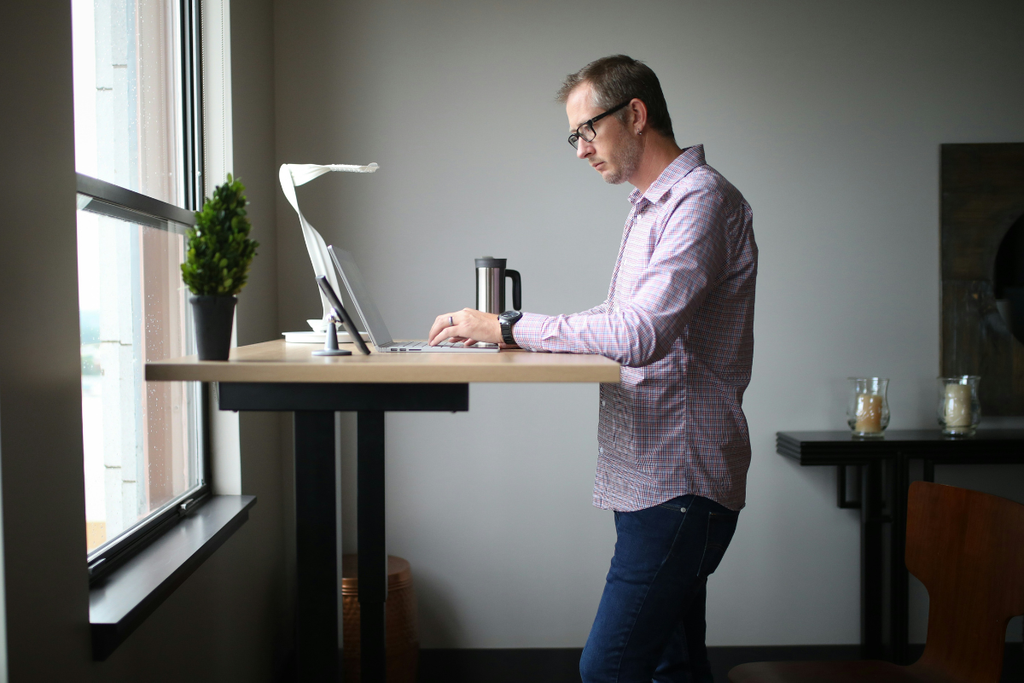
You’ve probably seen standing desks popping up everywhere over the last few years, and there’s a good reason they’ve stuck around rather than fading out as a passing fad. Sitting for hours on end, day after day, simply isn’t what our bodies are built for. A height-adjustable desk means you can switch between sitting and standing throughout the day, which helps take the pressure off your lower back and keeps you feeling more alert rather than sluggish by mid-afternoon.
You don’t need to stand all day to feel the benefit either. Even alternating for short stretches can make a noticeable difference to how you feel by the time you clock off.
The Chair Really Is Where It Counts

If you only upgrade one thing in your comfortable working spaces, make it your chair. We cannot stress this enough. An ergonomic chair is designed with proper back and posture support in mind, rather than just giving you somewhere to sit, and the difference between a good one and a bog-standard chair is honestly night and day once you’ve experienced it.
Here’s what to look out for when you’re choosing one:
● Adjustable seat height, so your feet sit flat on the floor rather than dangling or cramped underneath you.
● Proper lumbar support that follows the curve of your lower back, not just a bit of extra cushioning.
● Armrests that move, keeping your shoulders relaxed instead of hunched up towards your ears.
● Breathable materials, ideal for anyone who tends to run warm during long stretches at the desk.
● Adjustable seat depth, which matters more than people realise, especially if you’re shorter or taller than average.
Why This Matters Even More For Older Workers
Here’s the bit that doesn’t get talked about nearly enough: comfort and posture support become increasingly important as we get older. Joints get stiffer, backs get fussier, and the little niggles that used to disappear after a good night’s sleep tend to hang around a bit longer than they used to.
For older individuals working from a desk, whether that’s in an office or from home, a proper ergonomic chair and the option to stand periodically can genuinely make the working day more manageable. It’s not about needing “special” furniture, it’s simply about recognising that good support and comfortable working spaces matter more the longer we spend sitting, and that becomes more true, not less, as the years go on. A workplace that takes this seriously isn’t just being kind, it’s being sensible.
Storage Matters Too, More Than You’d Think

While we’re talking comfort, it’s worth mentioning something that often gets overlooked: clutter. A desk buried under paperwork, bags, and stray belongings doesn’t just look messy, it actually makes it harder to relax into your work. This is where lockers come in handy, and not just in schools or gyms. A proper set of lockers gives everyone in the office somewhere secure to store their things, keeping desks clear and the whole space feeling calmer.
Interestingly, some of the most thoughtfully designed office furniture takes cues from settings you wouldn’t expect, like school furniture, where durability, adjustability and comfort all have to work together for people using the same space day after day. If it’s good enough to hold up in a busy classroom, it’s certainly good enough for a busy office.
Small Changes, Big Difference
The good news is that you don’t need to overhaul your entire workspace overnight to feel the benefit. Start with the basics: a chair that properly supports your back, the option to stand for part of the day, and somewhere sensible to keep your belongings so the space stays clear and calm. From there, you can build in the finishing touches, lighting, plants, whatever makes the space feel like yours.
Our Final Word
We’ll say it again for the people at the back: comfort at work isn’t a luxury, it’s the foundation everything else is built on. Whether you’re twenty-five or sixty-five, sitting at a desk for hours takes a toll if the furniture around you isn’t pulling its weight. Invest in a proper ergonomic chair, consider a standing desk if you can, keep the clutter in check with a bit of clever storage, and your body (and your focus) will thank you for it, every single day.
Images courtesy of unsplash.com and pexels.com












1 thought on “Making More Comfortable Working Spaces”
Comments are closed.