A property development can be exciting, whether you are renovating an existing building, creating new residential units or delivering a larger commercial scheme. However, even a well-designed project can encounter delays, unexpected costs and communication problems without strong planning from the beginning.
Keeping a property development project on track requires more than a detailed idea. It involves setting realistic goals, understanding risks, managing budgets and coordinating the people involved. A structured approach gives you greater control and makes it easier to respond when challenges arise.
Define the Project Scope Early
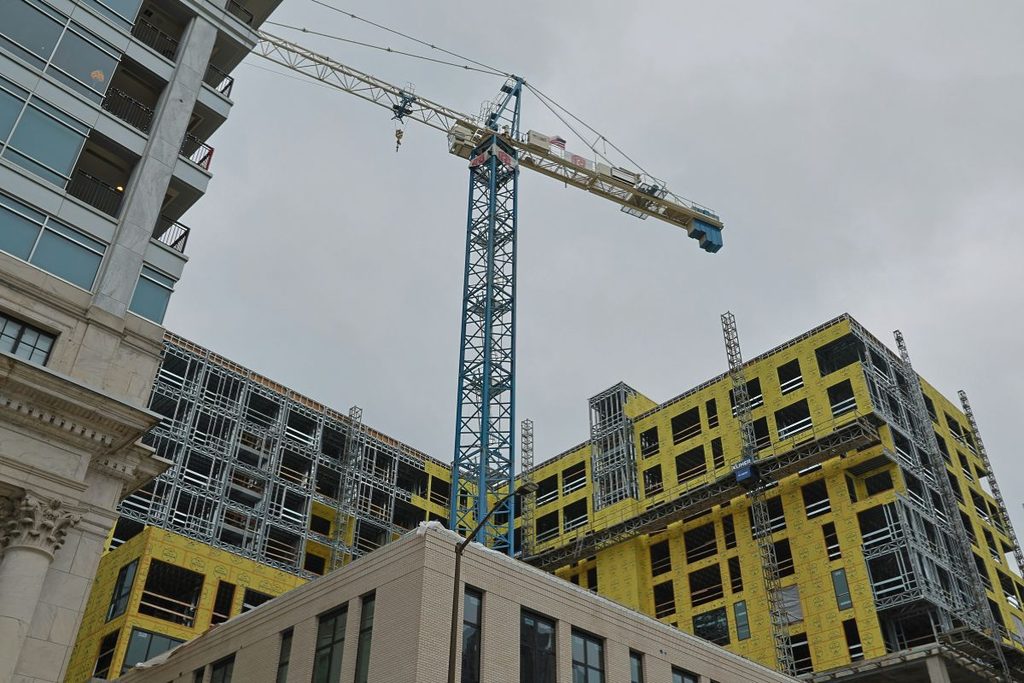
A clear scope is the foundation of any successful development. Before design or construction begins, establish what the project needs to achieve.
Consider the following questions:
- What is the intended use of the property?
- What work is included and excluded?
- What level of finish is required?
- What is the target budget?
- What is the desired completion date?
- Which approvals, surveys or specialist reports may be needed?
The more clearly the scope is defined, the easier it is for consultants, contractors and suppliers to provide accurate information. It also reduces the risk of changes being introduced later without a full understanding of their cost or programme impact.
Set a Realistic Budget
A budget should cover more than the visible construction work. Property developments can involve design fees, surveys, planning costs, legal expenses, insurance, utilities, fit-out work and contingency allowances.
Allow for the Unexpected
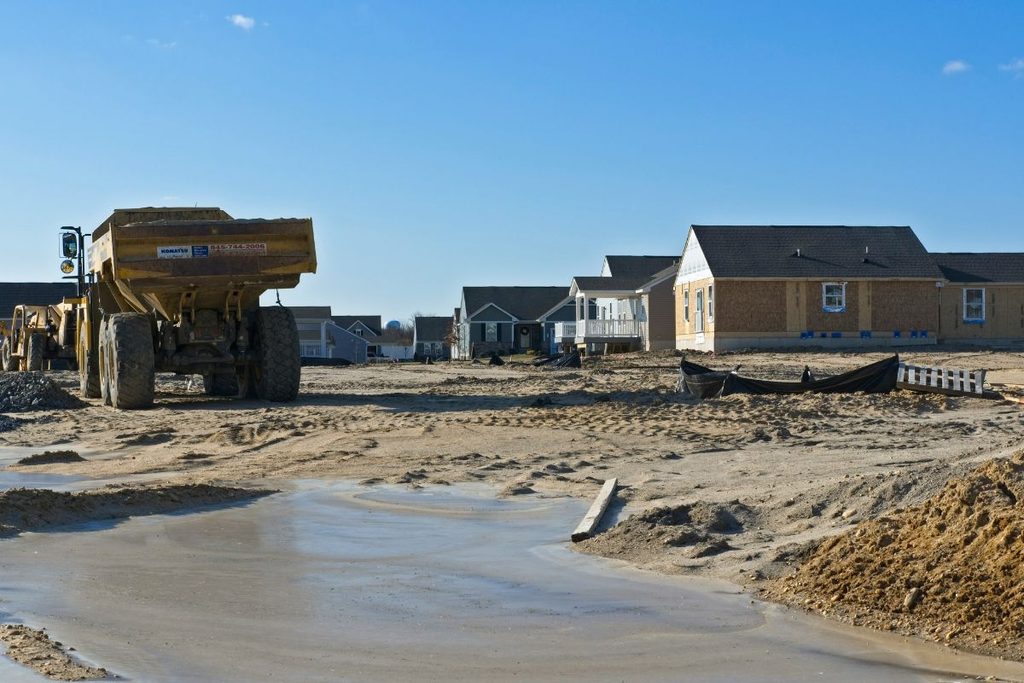
Unexpected issues can arise on most projects, particularly when renovating older buildings or working on complex sites. Hidden defects, ground conditions, supply delays and changes to regulations can all affect costs.
Setting aside a sensible contingency helps you deal with issues without immediately placing the wider project under pressure. The appropriate amount will depend on the size, age and complexity of the development.
Monitor Costs Regularly
Do not wait until the end of a project to review spending. Regular cost reports can help you compare actual expenditure against the approved budget and identify potential overspend early.
If costs begin to rise, you have more options when you identify the issue quickly. You may be able to adjust the scope, review specifications or revise the programme before the impact becomes more serious.
Build a Practical Programme
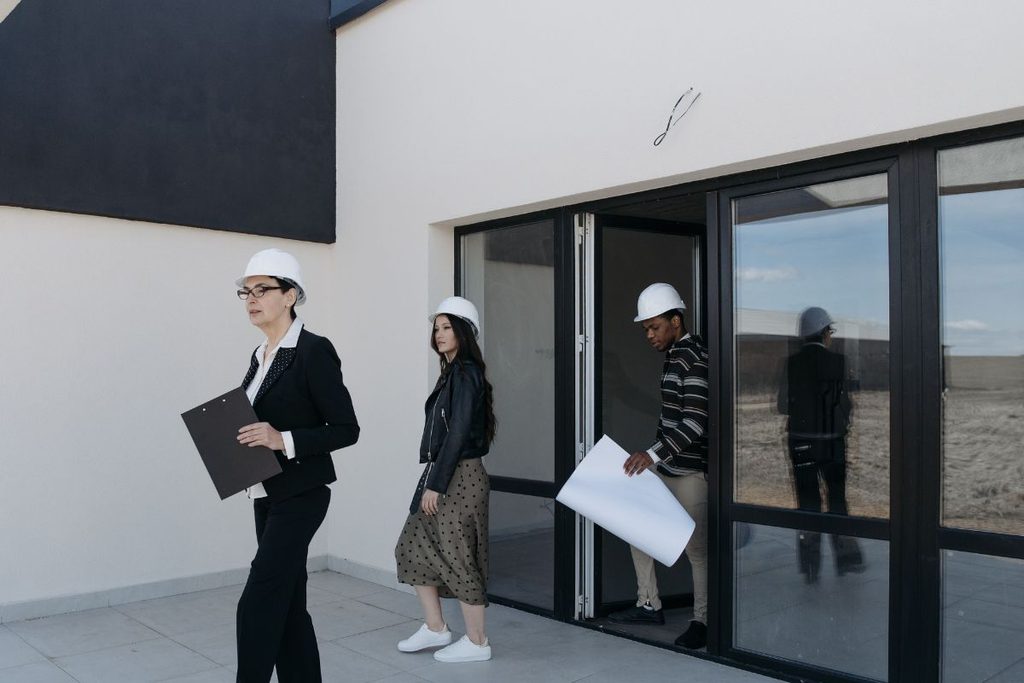
A project programme should map out the key activities, dependencies and decision points from the start. This may include design development, planning, procurement, construction, inspections, testing and handover.
Identify Critical Activities
Some tasks directly affect the overall completion date. For example, a delay in obtaining a key approval, appointing a contractor or ordering a long-lead item can affect several later stages.
Understanding these dependencies helps the project team focus attention where it is most needed. It also makes it easier to plan alternative solutions if a delay occurs.
Avoid Overly Optimistic Timescales
Ambitious deadlines can be useful, but they must be achievable. Build sufficient time into the programme for decisions, approvals, procurement and unexpected issues.
A realistic programme is not a sign of a slow project. It is a tool for managing expectations and keeping work properly coordinated.
Select the Right Project Team
Property developments often require input from architects, engineers, surveyors, planners, contractors and specialist consultants. Choosing people with relevant experience can make a significant difference to the outcome.
Look for a team that communicates clearly, understands the project’s requirements and is willing to raise concerns early. It is usually better to discuss a potential problem openly than to discover it after it has affected the programme or budget.
Define each party’s responsibilities from the outset. Clear roles help prevent tasks from being missed or duplicated.
Manage Risk and Change
Change is common in development projects. A design decision may need to be revised, a supplier may become unavailable or site conditions may differ from expectations. The aim is not to prevent all change, but to manage it properly.
Every proposed change should be assessed for its impact on cost, time, quality and risk. Record decisions in writing and make sure everyone affected understands the revised plan.
This approach prevents small changes from creating larger, unplanned consequences later in the project.
Keep Communication Clear and Regular
Regular communication helps a project stay aligned. Schedule progress meetings, issue clear updates and ensure decisions are recorded.
A simple reporting structure can cover:
- Progress against the programme
- Budget position
- Key risks and issues
- Decisions required
- Health and safety matters
- Upcoming activities
Clear communication is particularly important when a project is taking place in a live or operational environment, where construction work must be coordinated around existing business activity.
For developments requiring structured support, SW Project Management provides strategic construction consultancy across project, programme and risk management, pre-construction planning, cost and contract administration, construction management and health and safety consultancy. Its services extend from early feasibility and strategy through to handover and operational readiness. SW Project Management
Plan for Handover From the Start
Handover should not be left until the final weeks of construction. Plan early for testing, commissioning, documentation, warranties, training and outstanding items.
A well-managed handover helps ensure that the completed property is ready for use and that the client has the information needed to operate and maintain it properly.
Frequently Asked Questions
What is the first step in planning a property development?
Start by defining the project scope, intended outcome, budget, timescale and key constraints. This provides a foundation for later design and construction decisions.
Why is contingency important in a development budget?
Contingency provides an allowance for unexpected issues, such as hidden defects, changes in site conditions or supply delays, helping the project remain financially controlled.
How often should a project budget be reviewed?
Review the budget regularly throughout the project. Frequent monitoring helps identify potential overspend early enough to take action.
What is a project programme?
A project programme is a schedule that sets out key activities, dependencies, deadlines and milestones from planning through to completion.
Conclusion
A successful property development is built on clear scope, realistic budgeting, careful programming and strong communication. By planning thoroughly and managing changes in a controlled way, developers can reduce avoidable delays and maintain greater confidence throughout the project. The right professional support can also help keep complex developments moving forward safely, efficiently and in line with their goals.
Images attributed to Unsplash.com and Pexels.com.