The beauty industry rewards therapists who keep learning. Clients are increasingly aware of the treatments available to them, and many now walk into a salon asking for something more advanced than a facial or a wax.
For beauty therapists who already hold their core qualifications, the next step is usually a specialist course that adds a genuinely new skill to the treatment menu, rather than a refresher on something they already offer. Here’s a look at some of the routes worth considering.
Advanced Skin Treatments
Skin remains the biggest growth area in beauty. Microneedling, chemical peels and LED-based treatments have all moved from clinic-only territory into mainstream salons, and clients are willing to pay well for results they can see. Therapists who train in these areas tend to find they open the door to a different, often more loyal client base — people booking in for a course of treatments rather than a one-off appointment.
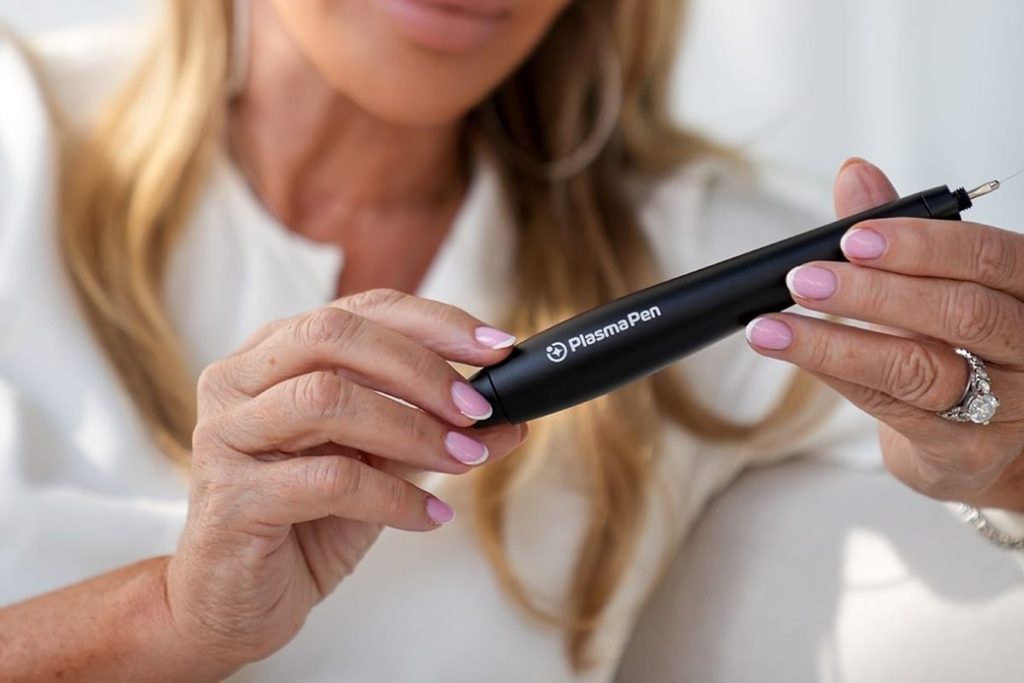
Among the newer additions to this category is plasma pen training, which teaches therapists to use a handheld device that creates a small electrical arc to stimulate the skin’s surface. It’s become a popular add-on for salons wanting to offer non-surgical skin tightening without investing in laser equipment. A plasma fibroblast pen works by targeting the outer layer of skin, prompting the body’s own repair process and encouraging tighter, smoother-looking results over the following weeks. It’s commonly used around the eyes, on the jawline and for minor skin concerns elsewhere on the face, and it has become one of the more searched-for treatments among clients looking for an alternative to injectables.
As with any advanced treatment, proper training matters. Insurers and accrediting bodies expect therapists to hold a recognised qualification before offering plasma treatments, so it’s worth checking that any course includes aftercare guidance and a certificate that’s accepted by UK insurance providers.
Lash and Brow Specialisms
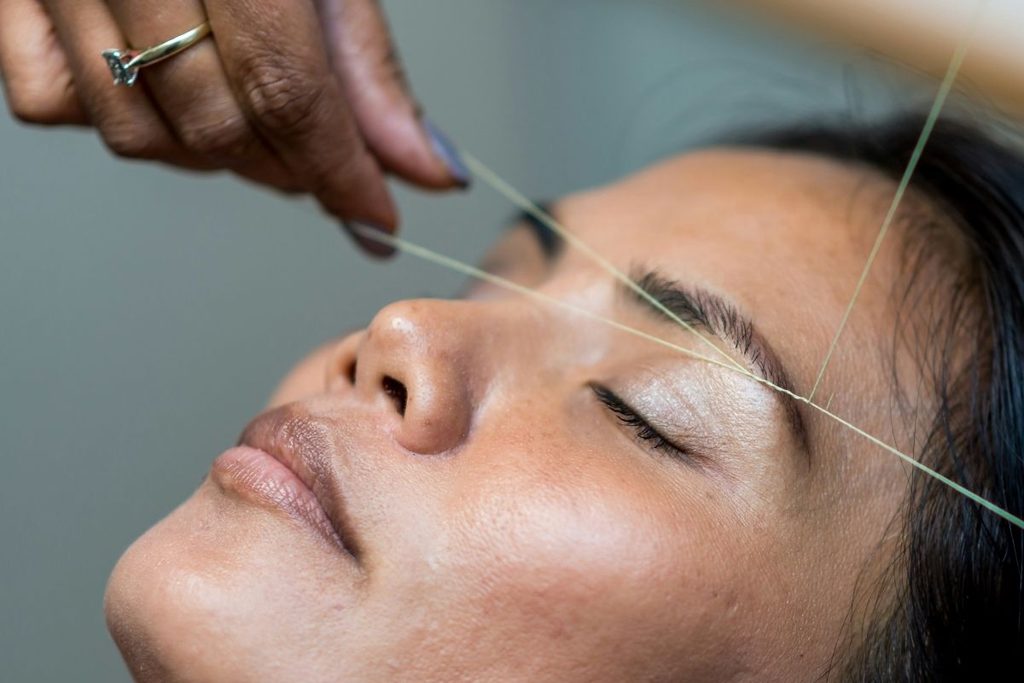
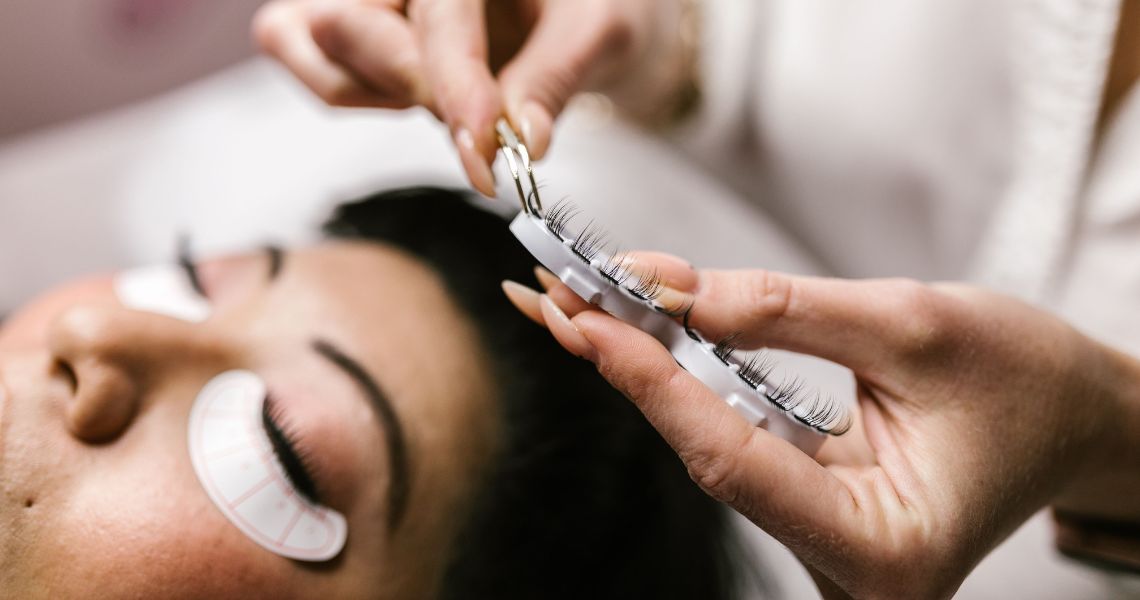
Lash lifts, brow lamination and lash extensions continue to be reliable earners, but the therapists doing best in this space are the ones who’ve gone beyond the basics — training in Russian volume techniques, mega volume sets or bespoke brow mapping. These are skills clients notice immediately, and they tend to command higher prices than a standard lash tint.
Body Treatments
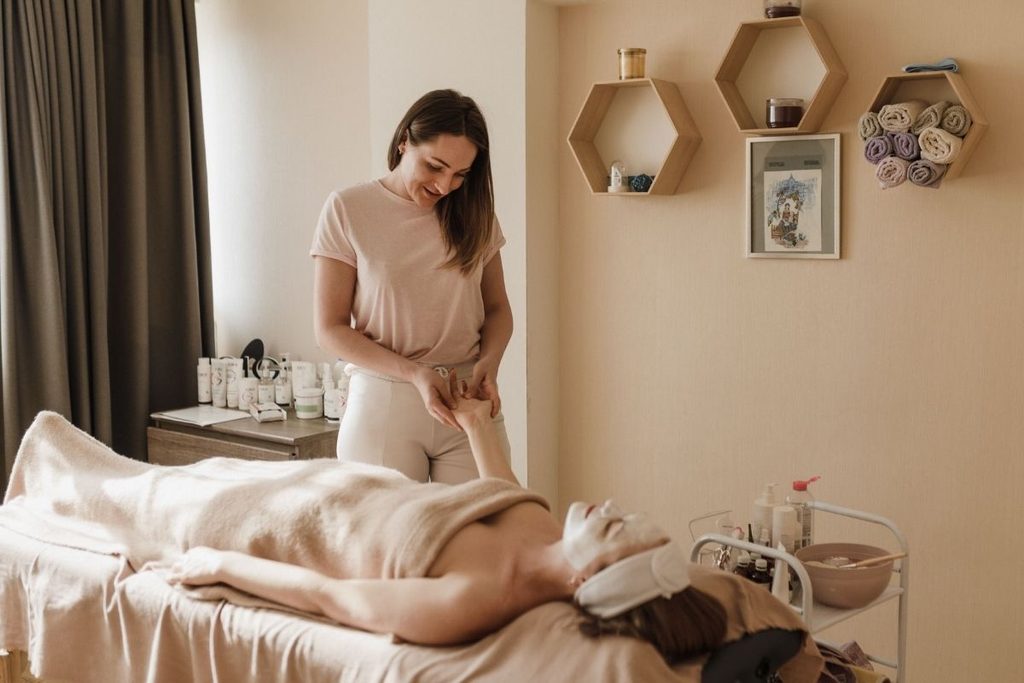
Body contouring, cupping and lymphatic drainage massage have all seen renewed interest, partly driven by social media and partly by a wider shift towards treatments that feel more like wellness than pampering. Courses in these areas vary hugely in quality, so it’s worth looking for training providers with a strong reputation and genuine anatomical grounding, rather than a weekend crash course.
Injectables and Advanced Aesthetics
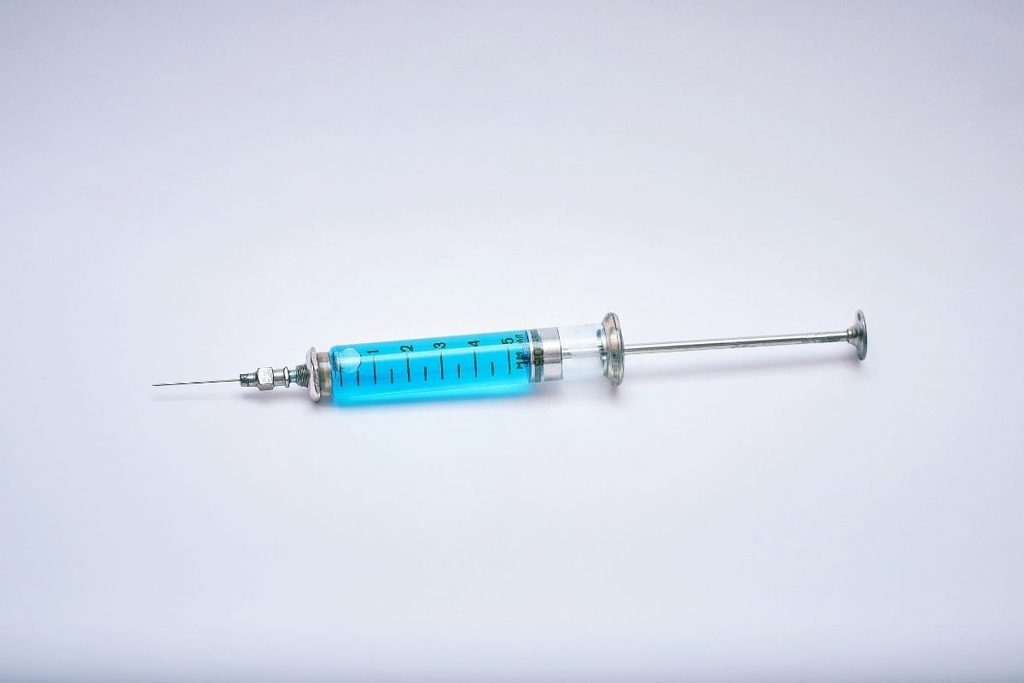
For therapists with a clinical background, or those willing to work towards one, anti-wrinkle and dermal filler training opens up a different tier of the market entirely. These courses require more rigorous entry requirements — usually a Level 3 qualification in a relevant subject and, in many cases, a medical or nursing background — but they lead to some of the highest-earning treatments a salon can offer.
Choosing the Right Course
Not all training is created equal, and the beauty sector has its fair share of courses that promise a lot and deliver very little. Before booking a place, it’s worth checking that a course:
- Is delivered by a trainer with genuine industry experience
- Leads to a certificate accepted by UK insurers
- Covers contraindications, aftercare and client consultation properly
Upskilling isn’t just about adding another line to a treatment list — it’s about building the kind of expertise that keeps clients coming back and referring their friends. Whichever route a beauty therapist chooses, the therapists who invest in proper training now are the ones best placed to stand out in an increasingly competitive market.
Images courtesy of freepix.com, unsplash.com and pexels.com