The first consultation sets the tone for the whole project. It’s where the designer learns how you live, and where you learn how they work.
Nothing gets drawn and nothing gets priced at this stage. It’s a conversation, and knowing what it covers through a kitchen consultation will help you get far more out of it.
It Starts With How You Live, Not What You Like
Most people arrive with a folder of saved images, and those are useful, but they won’t be the first thing a good designer asks about. Expect questions about the household instead. Who cooks, and how often. Whether the kitchen doubles as a workspace, a homework spot or the room where guests always end up. What annoys you about the current layout. Where you make coffee in the morning.

These questions matter because a bespoke kitchen is designed around routines, not just tastes. Two families can love the same look and need completely different rooms. Designers who also offer wider home renovation services are especially thorough here, because they’re used to thinking about how one room connects to the rest of the home.
Bring the Honest Version of Your Life
The kitchen consultation only works if the designer sees the real picture. If the recycling always overflows, say so. If you never use the oven but run the coffee machine four times a day, that changes the design. If one of you is tall and one isn’t, worktop heights and wall unit positions can reflect that.
There’s no benefit in presenting a tidier version of your habits. The awkward details are usually where the best design decisions come from.
Expect to Talk About the Room Itself
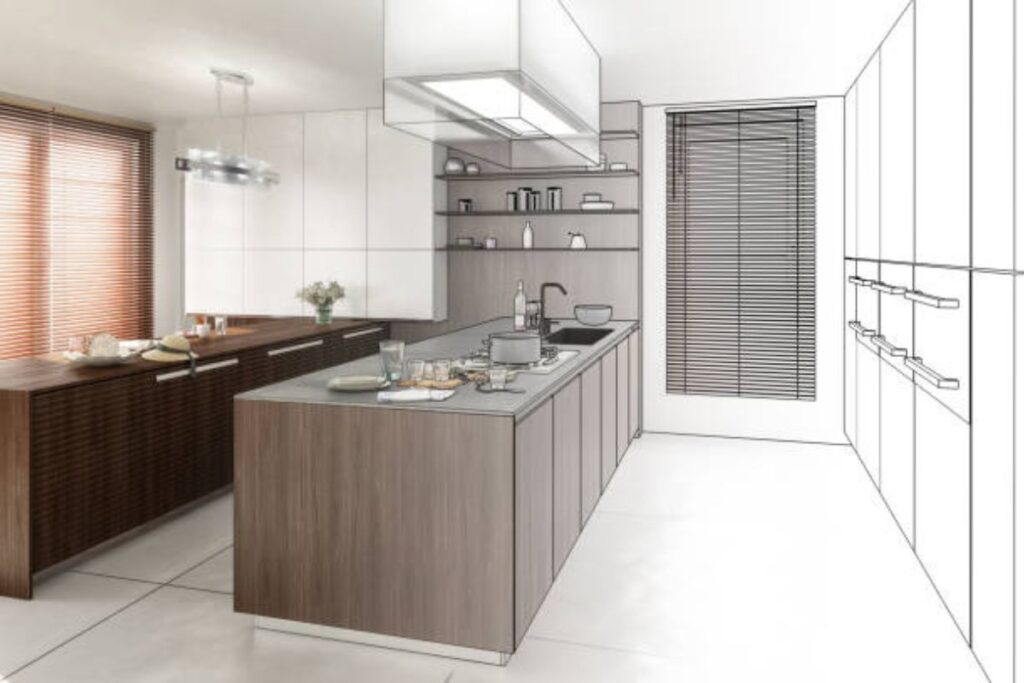
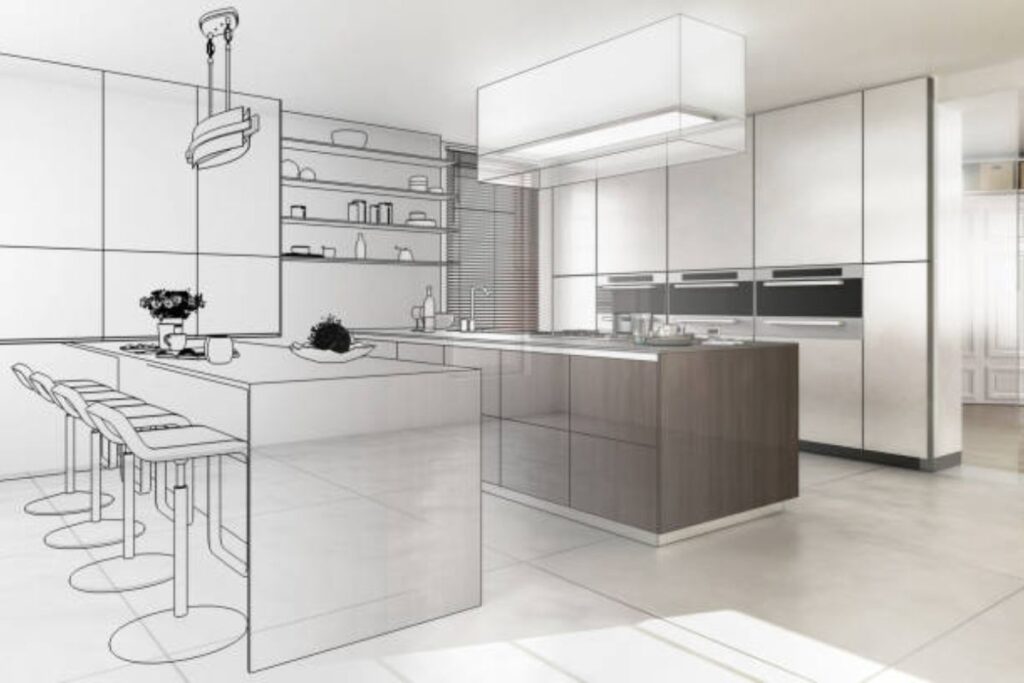
A first consultation often happens at the showroom, but the conversation will keep returning to your actual space. An experienced Essex kitchen designer will want to know the age of the property, the ceiling height, where the windows sit and what’s structural. In period homes across the county, uneven walls and original features shape the design as much as the brief does, and a good designer treats them as assets rather than obstacles.
If the room is being extended or reconfigured, bring the architect’s drawings if you have them. If not, photographs and rough dimensions are enough to start a useful conversation. A full site survey comes later, so nothing needs to be exact yet.
You Should Be Asked About the Long Term
A bespoke kitchen is usually a fifteen to twenty year decision, so expect questions that look ahead. Whether the household is likely to grow or shrink. Whether you plan to stay in the home. How you’d like the room to age. This is one of the clearest signs you’re in good hands, because it shows the designer is building for your future rather than styling for a photograph.
What You Should Ask Them
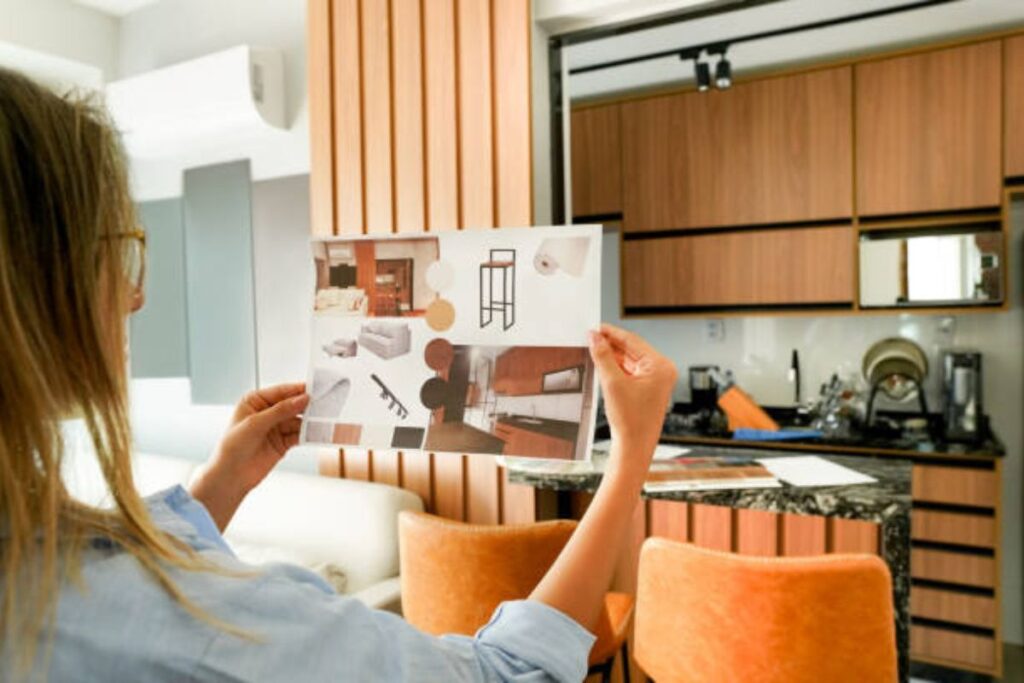
The conversation runs both ways, and a confident designer will welcome scrutiny. Worthwhile questions include who builds the cabinetry and where, who manages the installation, how changes are handled once the design is agreed, and how long a typical project runs from first drawing to final fit. Ask to see completed projects rather than just showroom displays, because a finished kitchen in a real home tells you much more.
Pay attention to how the answers come back. Vague replies about fitting and aftercare at this stage rarely improve later in the process.
What Happens After
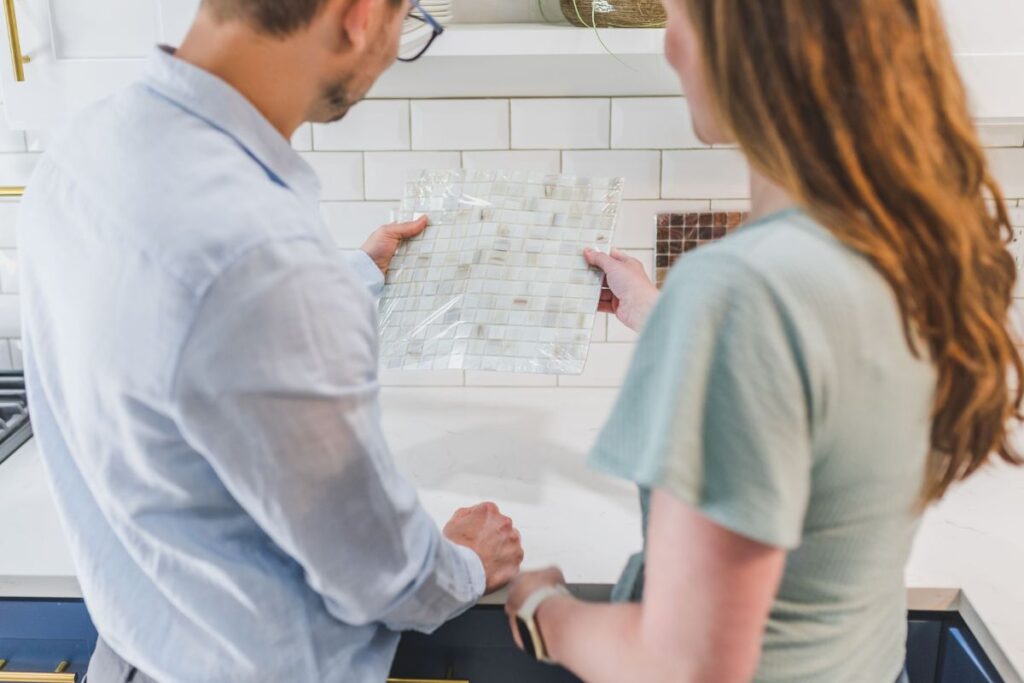
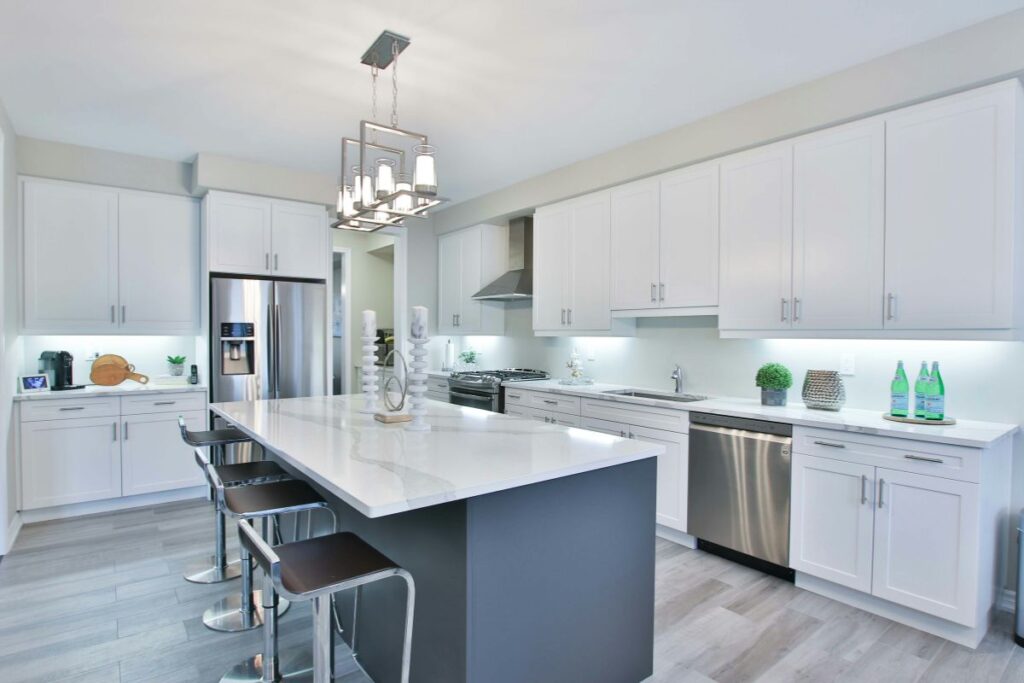
A good first kitchen consultation ends with clarity rather than commitment. Expect the designer to summarise the brief back to you, outline the next steps and arrange a site visit to measure the room properly. Initial design concepts usually follow that survey, and only then does the conversation turn to specification and cost in any detail.
What you shouldn’t feel is pressure. The best firms working in Essex home design treat the first meeting as the start of a working relationship, and they’d rather you left with confidence than a signature. If the consultation feels rushed or salesy, that tells you something too.
Go in prepared, be honest about how you live, and ask as much as you’re asked. The projects that end well almost always begin with a first meeting that felt less like a pitch and more like the designer genuinely getting to know your home.
Images courtesy of pexels.com and unsplash.com