Screen media rarely gets the attention it deserves. It sits inside the machine, out of sight, quietly deciding how much saleable product comes off your decks each shift. Choose well, and it runs for months without complaint. Choose badly, and you pay for it in breakdowns and changeout days you never planned for.
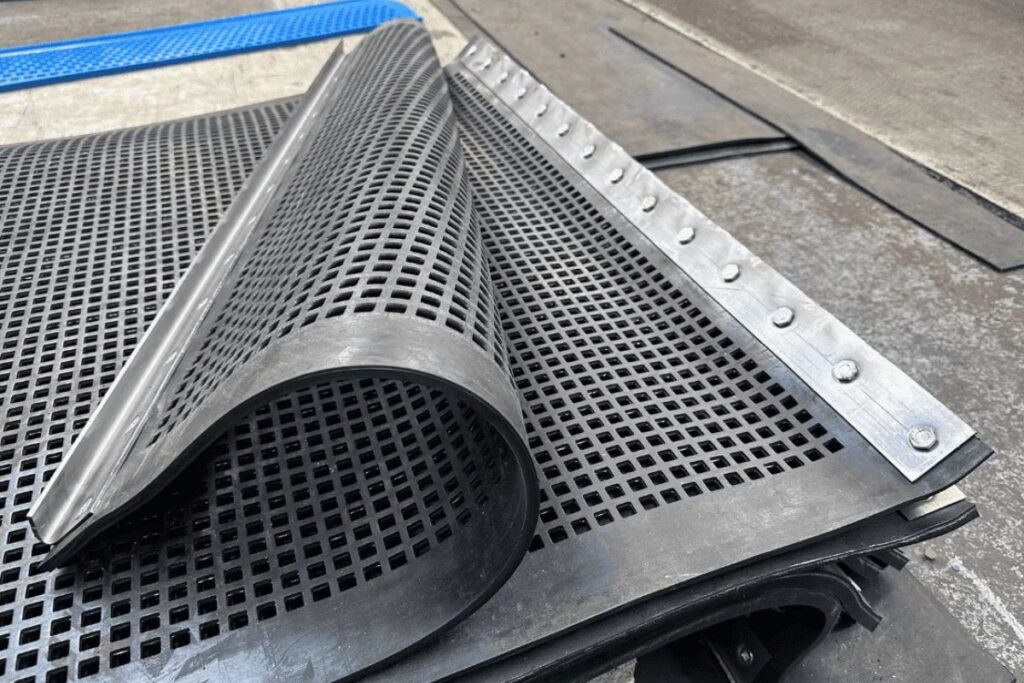
Perforated rubber screens have become a popular choice across quarrying, recycling and agriculture, and for good reason. But rubber is not a straight swap for steel, and not every rubber panel suits every deck. Here is what to weigh up before you place an order.
Start With Your Feed Material
Rubber earns its keep where feed is punishing. Large lumps, high drop heights and abrasive stone chew through steel plate, while rubber absorbs the impact and springs back. It also handles wet and sticky material well, because the flexing surface helps shed clay and fines that would blind a rigid deck.
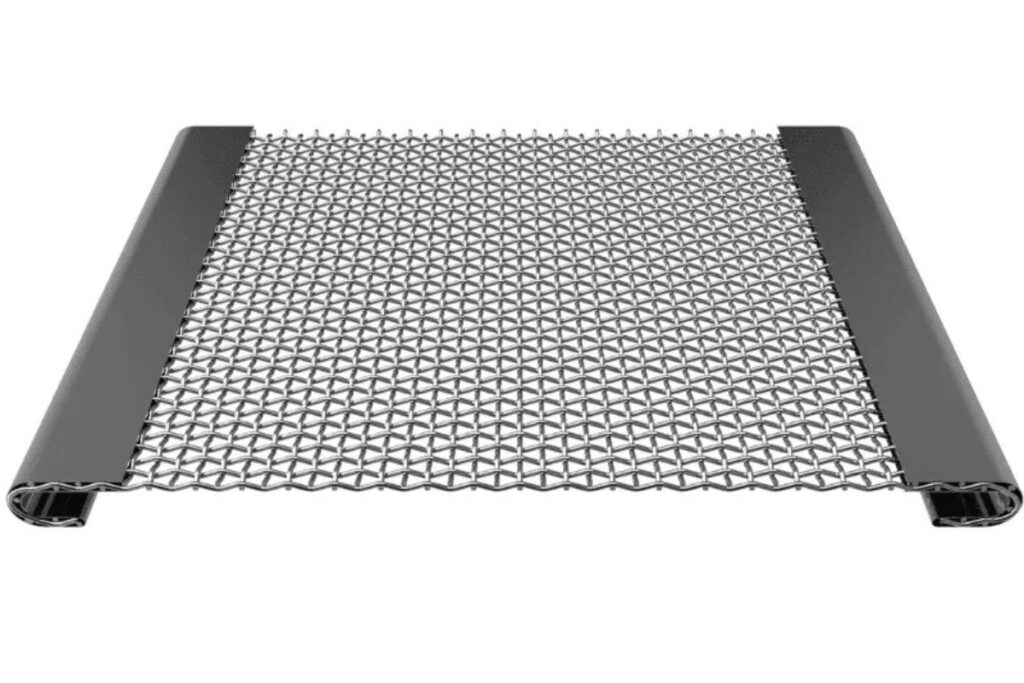
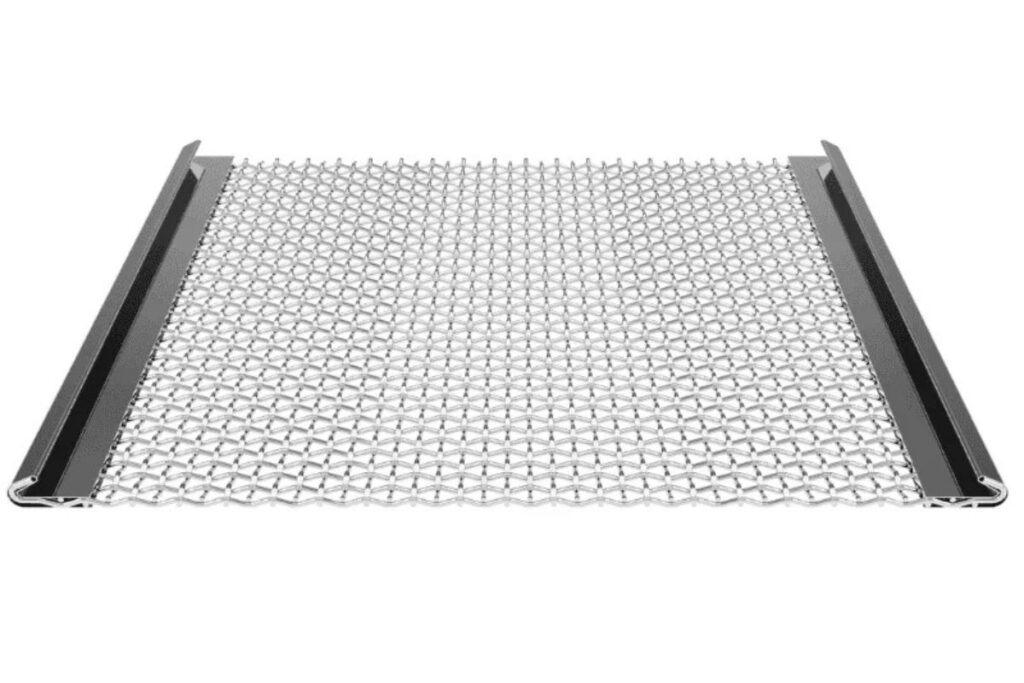
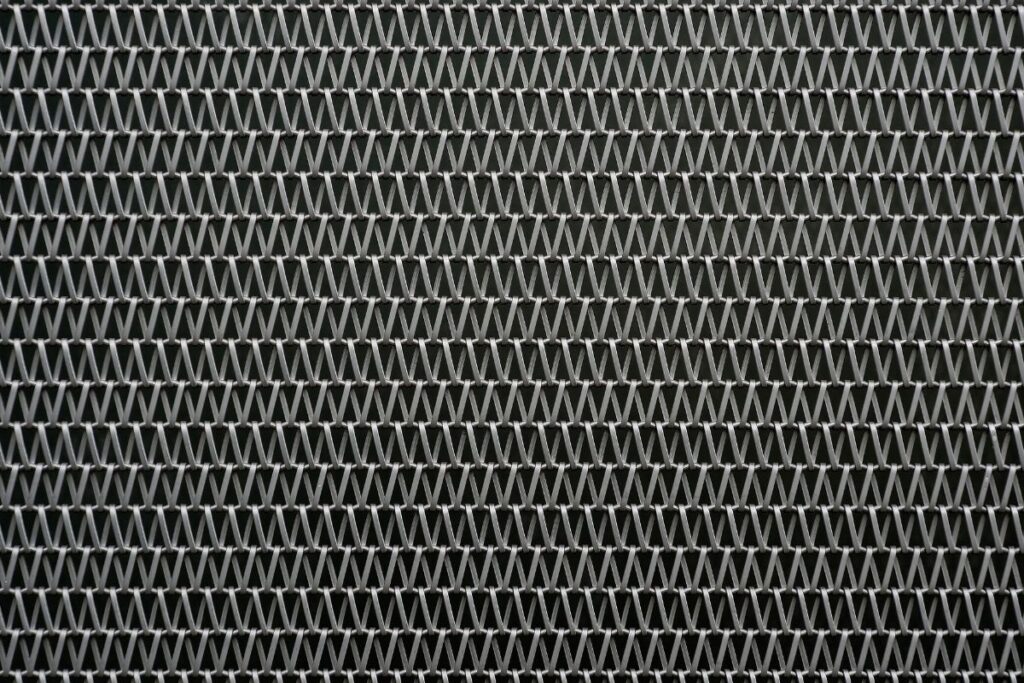
That said, rubber is not always the answer. Fine, dry sizing work at speed is often better served by woven wire screening mesh, which offers more open area and sharper cut points. Be honest about what your screens actually handle day to day, including seasonal changes in moisture, and match the media to the worst of it rather than the average.
Get the Aperture Right
Aperture size sets your product spec, so this is not the place for guesswork. Think about the cut point you need, the shape of your material and how near-size particles behave on the deck. Tapered holes, which widen towards the underside, help material clear the panel and cut down on pegging.
If you are replacing existing media, do not simply copy the old aperture. Rubber screens can behave differently from steel at the same nominal size, so it is worth talking the application through with the manufacturer before committing.
Panel Thickness and Wear Life
Thicker panels last longer under impact, but they also weigh more and reduce open area, which can pull your throughput down. The right thickness depends on where the panel sits. A top deck taking the initial drop needs more meat than a lower deck doing finishing work. Buying one thickness for every position is a common mistake, and usually an expensive one.
Check the Fixing Method
A perfectly specified panel is useless if it does not fit your machine. Check whether your screen takes tensioned mats, bolt-down panels or a modular system, and confirm hook dimensions, crown radius and support spacing before ordering. A good manufacturer will ask for these details anyway. If a supplier quotes without asking how the media fixes to your deck, treat that as a warning sign.
Think About Noise
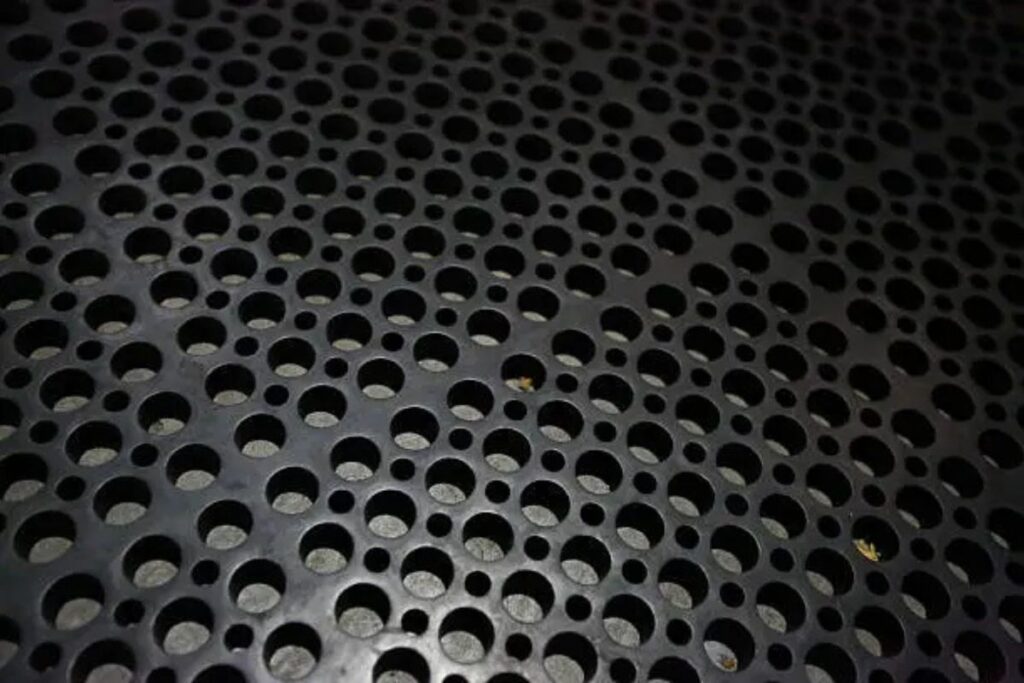
Noise is where rubber quietly wins. Stone striking rubber is far quieter than stone striking steel, and on sites where noise limits are tight or neighbours are close, switching media can take real pressure off. It also makes a genuine difference to the people working around the machine every day, which matters as much as any planning condition.
Weigh the Whole Cost
Rubber panels often cost more upfront than the steel equivalent, and this puts some buyers off. It should not. The ticket price is a small part of what screen media really costs once you count changeout labour, lost production during downtime and the throughput you sacrifice to blinded or damaged panels.
Longer wear life means fewer changeouts, and fewer changeouts mean more hours running. Work out cost per tonne screened rather than cost per panel and the comparison usually looks very different.
Ask the Right Questions Before You Order
Finally, look at who you are buying from. A manufacturer that produces its own screening media can advise on the full picture, punch panels to your exact specification and turn around replacements quickly when something goes wrong at short notice. A box-shifter cannot.
Ask where the panels are made, what compounds are used, and whether the supplier can produce perforated rubber screens to a bespoke aperture and panel size rather than forcing you into what happens to be on the shelf. Ask for guidance on deck position and fixing too. The suppliers worth dealing with will have answers, because they deal with these questions every day.
Screen media is a working part of your plant, not a commodity. Buy it with the same care you would give any other component that decides what your business produces, and it will pay you back shift after shift.
Images attributed to Unsplash.com and Pexels.com. Some images supplied