

Buying a used sand plant can save a quarry or recycling operation serious money. A well kept machine with a few thousand hours on the clock often costs a fraction of the price of new, and it can be producing spec sand within weeks rather than months. But the second hand market rewards buyers who know what they are looking at. Get it wrong, and the savings disappear into repairs, downtime, and product that will not pass a sieve test.
Here is what experienced operators check before they part with their money on sand plant .
Start With the Feed Material, Not the Machine
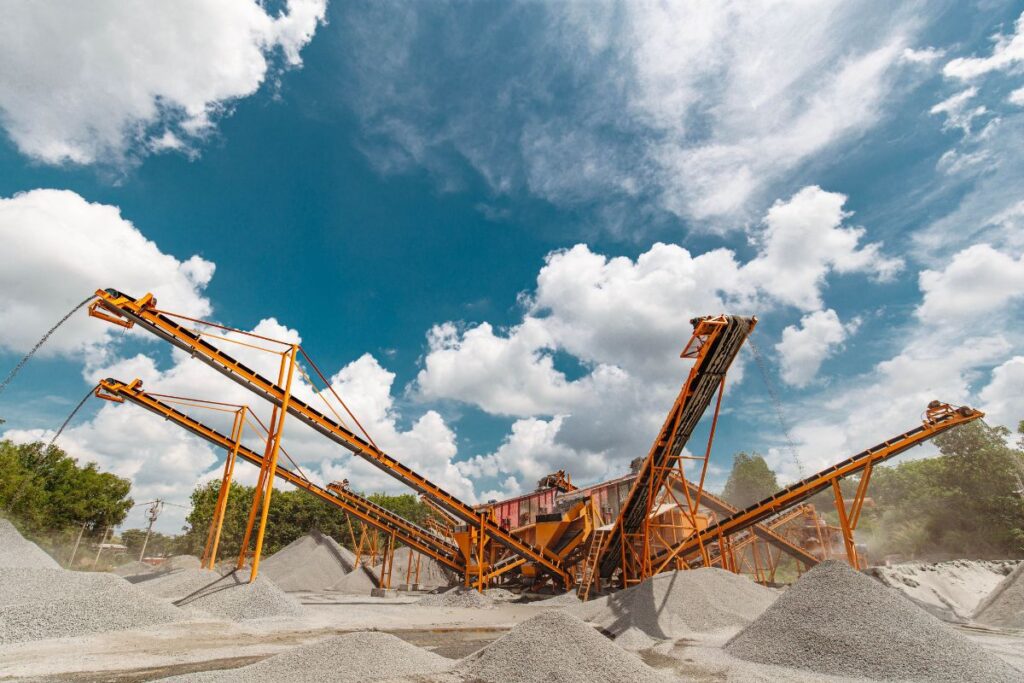
It sounds backwards, but the first thing to assess is not the plant itself. It is your own site. What are you feeding it? Crushed rock fines behave very differently to as-dug sand and gravel, and a plant set up for one will struggle with the other.
Ask the seller what material the plant was processing. If it spent its working life washing soft, free flowing sand and you plan to feed it clay bound material with a high silt content, you may need extra scrubbing or attrition capacity that the plant simply does not have. Matching the machine to the feed is the single biggest factor in whether a used purchase works out.
Check the Wear Parts First
Sand production is abrasive work. Every tonne that passes through the plant takes a little metal with it, so wear is where the true condition of a machine shows.
Focus on the parts that cost the most to replace.
- Cyclone linings. Rubber or polyurethane linings inside the cyclone take constant punishment. Worn linings change the cut point and let fines through, so check for thinning, gouging, and exposed steel.
- Pump impellers and casings. The slurry pump works harder than anything else on the plant. Listen to it run if you can, and ask when the impeller was last changed.
- Dewatering screen media. Polyurethane panels are consumable, but heavy wear across the deck can point to bigger setup problems.
- Pipework and bends. Slurry lines wear from the inside out. Tap along the bends and listen for thin spots.
None of these items should put you off on their own. They are all replaceable. What matters is pricing the replacement into your offer rather than finding out after delivery.
Ask for the Service History
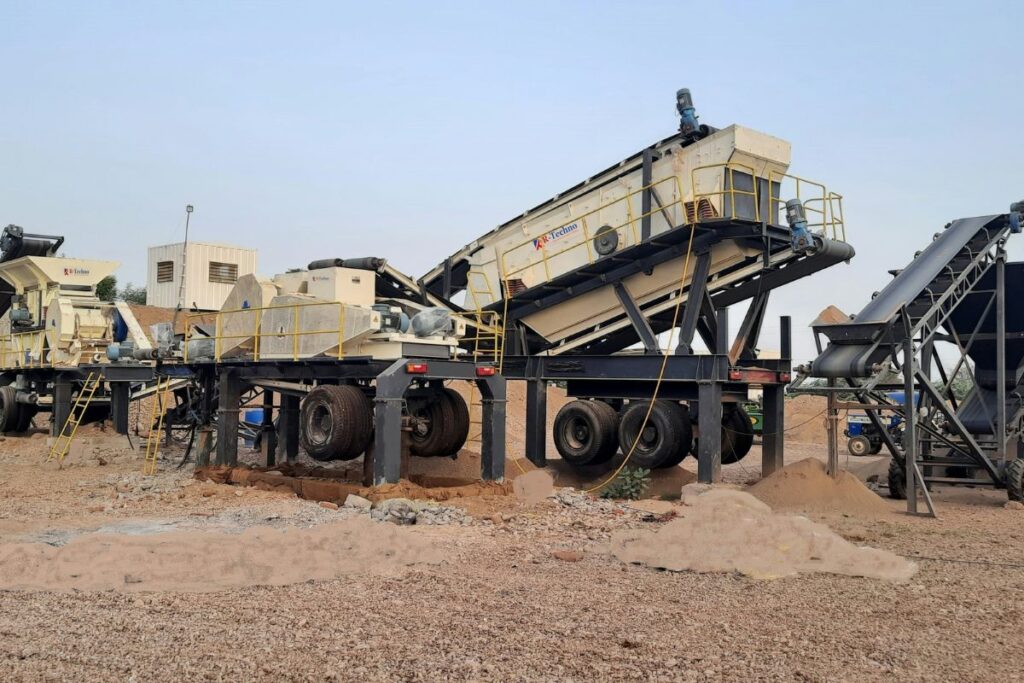
A sand plant with a full service record is worth paying more for. It tells you the previous owner cared, and it gives you a maintenance baseline to work from. Gaps in the paperwork are not always a dealbreaker, but they shift the risk onto you.
Buying through an established dealer rather than privately helps here. A reputable supplier of aggregate plant equipment will have inspected and often refurbished the machine before sale, and they can support you with parts and servicing once it is on your site. That backup matters more with washing kit than almost any other plant, because water and electrics age machines in ways that are not always visible on a walkaround.
Look at the Structure, Not Just the Working Parts
Wear parts are expected to wear. Structural corrosion is a different story. Washing plants live in wet, often salty or acidic conditions, and steelwork that has been neglected can hide expensive problems.
Walk the plant with a torch and look at chassis members, screen support frames, walkways, and the underside of tanks and sumps. Surface rust is normal. Flaking plate, patch repairs, and distorted steelwork are warning signs. If a ladder or handrail feels loose, ask yourself what else was not maintained.
Confirm It Can Make the Spec You Need to Sell
A sand plant is only as good as the product coming off the stockpile conveyor. Concrete sand, mortar sand, and sports sand all have different grading requirements, and not every plant can hit every spec.
Ask to see recent grading curves from the plant in operation, or better still, see it running on material similar to yours. Modern sand plants with cyclone based classification give far tighter control over the finished grading than older bucket wheel setups, so it pays to understand which technology you are buying and what it can realistically produce. If your local market wants a washed concrete sand to a tight envelope, an old dewheeler may leave money on the table.
Think About Water Before You Sign Anything
Every washing plant needs water, and plenty of it. Before you buy, work out where yours is coming from and where the dirty water is going. A plant that suited a site with a large lagoon system may need water treatment or fines recovery added to work on yours, and that can double the project cost.
This is where talking to a specialist in aggregate washing equipment before you commit really earns its keep. They can look at your water supply, your feed material, and your product targets, and tell you honestly whether the plant you are eyeing up will do the job or whether you are buying someone else’s problem.
A Quick Pre-Purchase Checklist
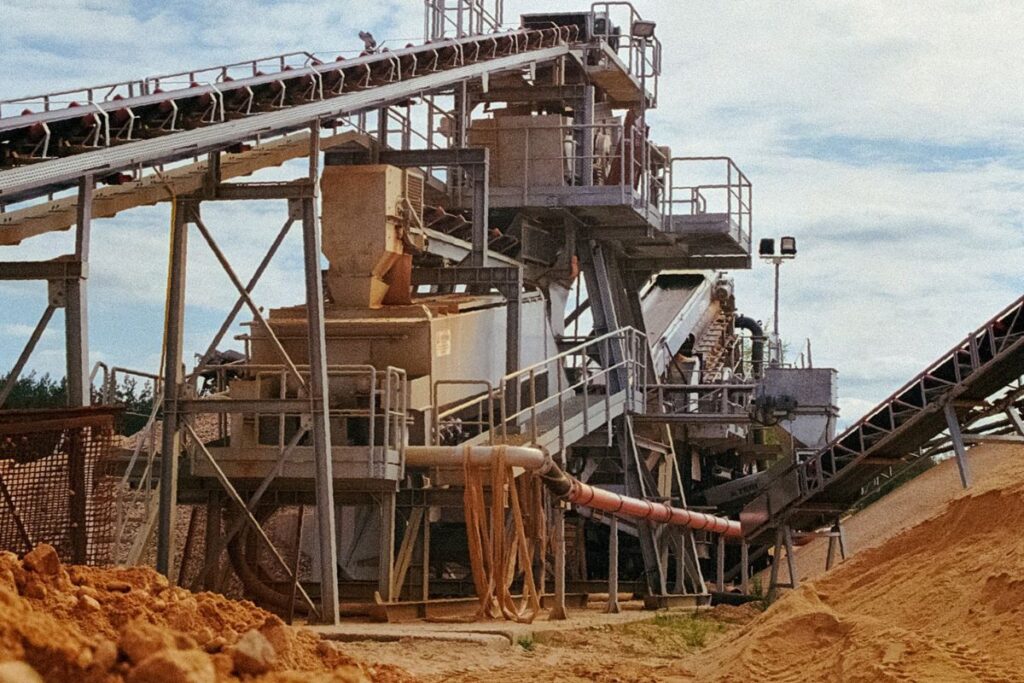
Before making an offer, make sure you can answer yes to the following.
- Have I seen the plant running, ideally under load?
- Do I know the condition and replacement cost of the cyclones, pumps, and screen media?
- Have I checked the structure for corrosion and past repairs?
- Does the plant suit my feed material and my target product spec?
- Do I have the water supply and settlement capacity to run it?
- Is there parts and service support available in the UK?
The Bottom Line
A used sand plant is one of the smartest buys in the aggregates industry when the machine, the material, and the site all line up. The operators who get burned are the ones who buy on price alone. Take the time to inspect properly, ask awkward questions about history and spec, and lean on expert support where you need it. Do that, and a second hand plant can wash sand profitably for years to come.
Images attributed to Unsplash.com and Pexels.com.










1 thought on “What to Look for When Buying a Used Sand Plant”
Comments are closed.