

Creating a comfortable home is about more than choosing attractive furniture and stylish décor. Temperature, airflow, natural light and indoor air quality can all influence how a space feels throughout the year. With increasingly varied weather conditions, homeowners are looking for practical ways to maintain a pleasant indoor environment regardless of the season.
Fortunately, creating a more comfortable home does not always require major changes. A combination of sensible maintenance, effective ventilation and thoughtful improvements can make a noticeable difference to everyday living.
Improve Your Home’s Airflow

Good airflow helps prevent rooms from feeling stuffy and can also reduce the build up of excess moisture. Opening windows when conditions allow is one of the simplest ways to encourage fresh air to circulate.
However, natural ventilation is not always sufficient, particularly during very warm or cold weather. Mechanical systems can provide greater control, allowing homeowners to manage indoor conditions without relying entirely on open windows.
A well planned approach to ventilation can be particularly useful in bedrooms, kitchens and living areas where people spend significant amounts of time.
Consider Climate Control for Year Round Comfort
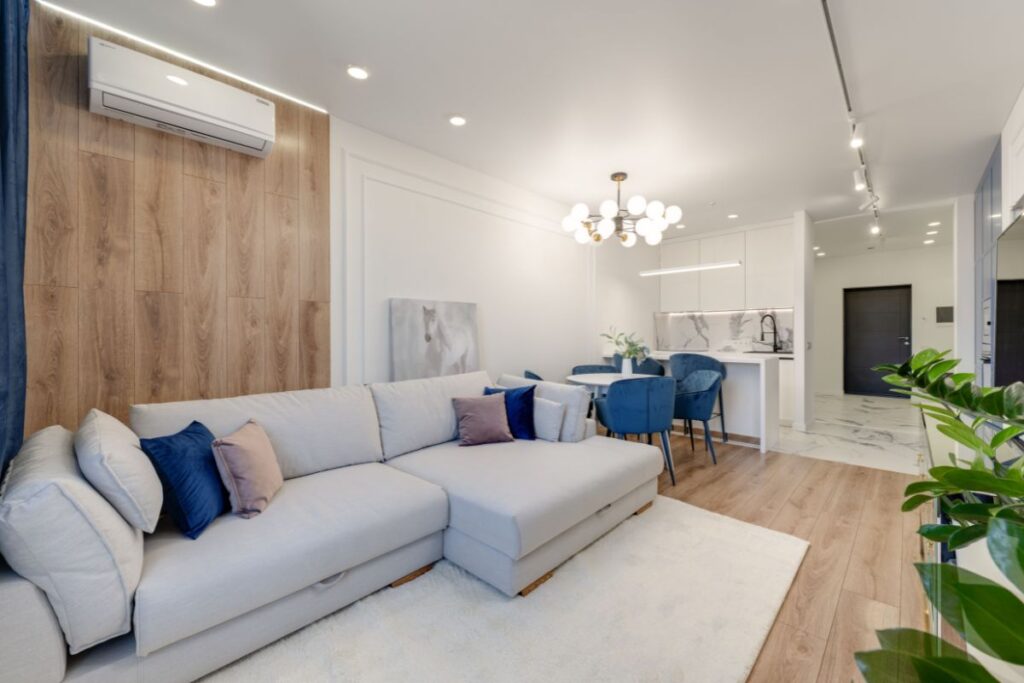
Air conditioning is often associated with keeping rooms cool during summer, but modern systems can offer broader benefits. Depending on the system selected, homeowners may be able to manage both heating and cooling from the same unit.
For households considering air conditioning installation, choosing a system that suits the size and layout of the property is important. An appropriately specified system can provide effective temperature control without unnecessary energy consumption.
Professional installation is also important because positioning, sizing and setup can all affect how efficiently a system operates.
Make the Most of Natural Light

Natural light can have a significant impact on the atmosphere of a home. During colder months, allowing sunlight into rooms can make spaces feel brighter and more welcoming.
At the same time, excessive sunlight during warmer periods can cause rooms to become uncomfortable. Window coverings, blinds and curtains can therefore be used strategically to control how much sunlight enters throughout the day.
Consider adjusting window treatments according to the season and the orientation of each room. South facing spaces may require more shading during periods of strong sunlight, while darker rooms can benefit from keeping coverings open during daylight hours.
Pay Attention to Insulation
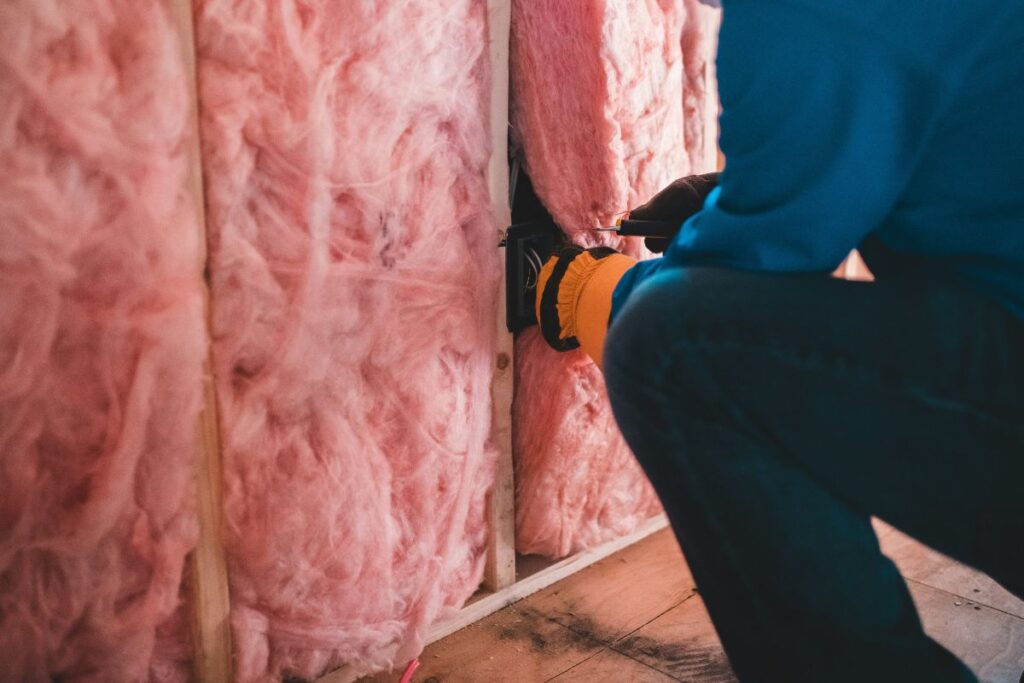
Good insulation helps maintain a more consistent indoor temperature by reducing unwanted heat transfer. Loft insulation, cavity wall insulation and suitable glazing can all contribute to a more efficient home.
Insulation is particularly valuable during winter because it can help prevent heated air from escaping. During summer, it can also help slow the transfer of heat into the property.
If your home feels unusually cold in winter or excessively warm in summer, reviewing its insulation could be a worthwhile starting point.
Keep Your Heating System Efficient

Heating remains essential for comfort during the colder months. However, an inefficient or poorly maintained heating system can struggle to keep rooms warm while potentially using more energy than necessary.
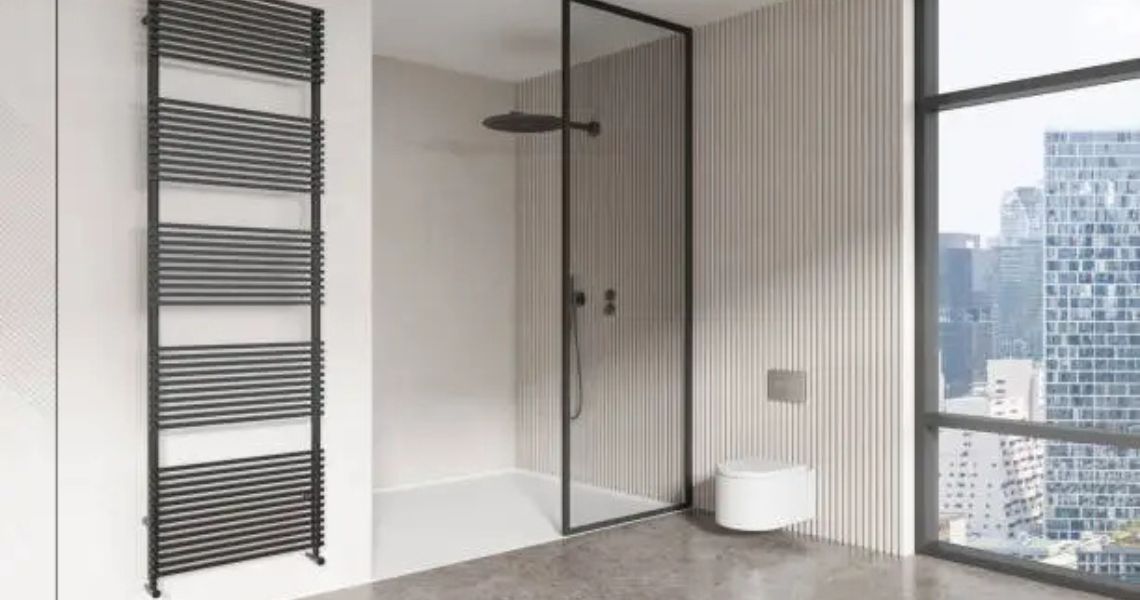
Regular servicing can help identify developing faults and ensure that equipment is operating as intended. Radiators should also be checked for cold spots, while furniture should not unnecessarily obstruct them.
Simple measures such as adjusting the thermostat and using heating controls effectively can also help create a comfortable environment without heating empty rooms.
Maintain Cooling Equipment

If your property has an air conditioning system, regular maintenance should be part of your household routine. Filters can collect dust and debris over time, potentially affecting airflow and system performance.
Arranging an air conditioning service can help identify issues before they become more disruptive. Professional checks can also provide reassurance that the equipment is operating safely and efficiently.
Keeping the surrounding area clear is another simple measure. Outdoor components should have sufficient space around them to allow appropriate airflow.
Manage Humidity Levels
Temperature is only one part of indoor comfort. Humidity can also affect how a room feels.
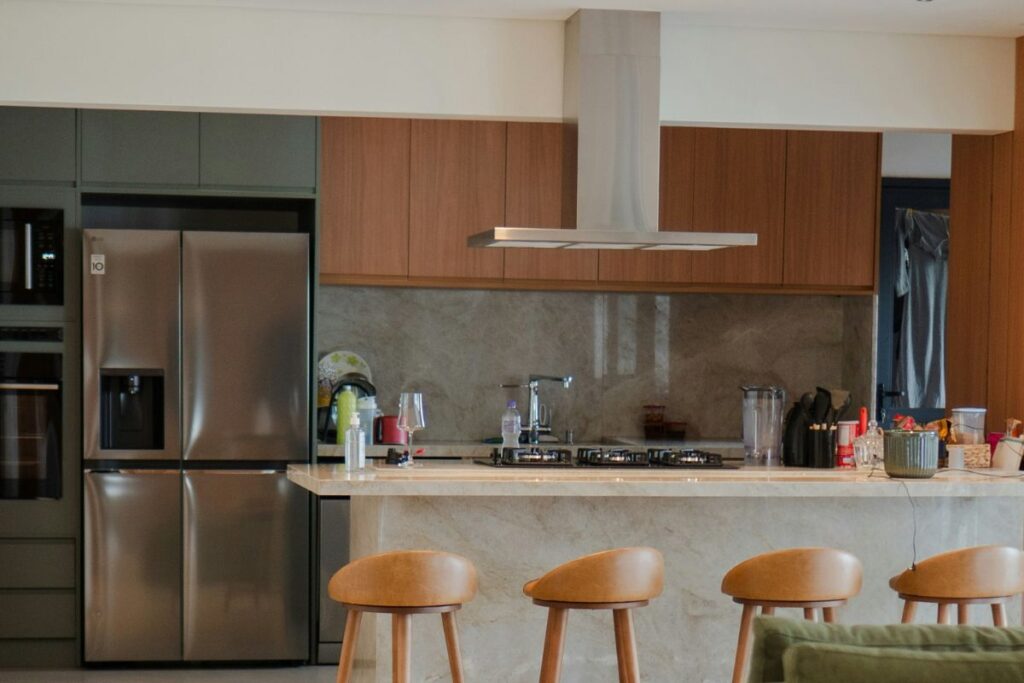
Excess moisture can contribute to condensation, dampness and mould, particularly in kitchens and bathrooms. Using extractor fans during and after cooking or showering can help remove moisture before it spreads through the property.
On the other hand, very dry indoor air can also feel uncomfortable. Finding an appropriate balance can help create a healthier and more pleasant environment.
Make Bedrooms More Comfortable
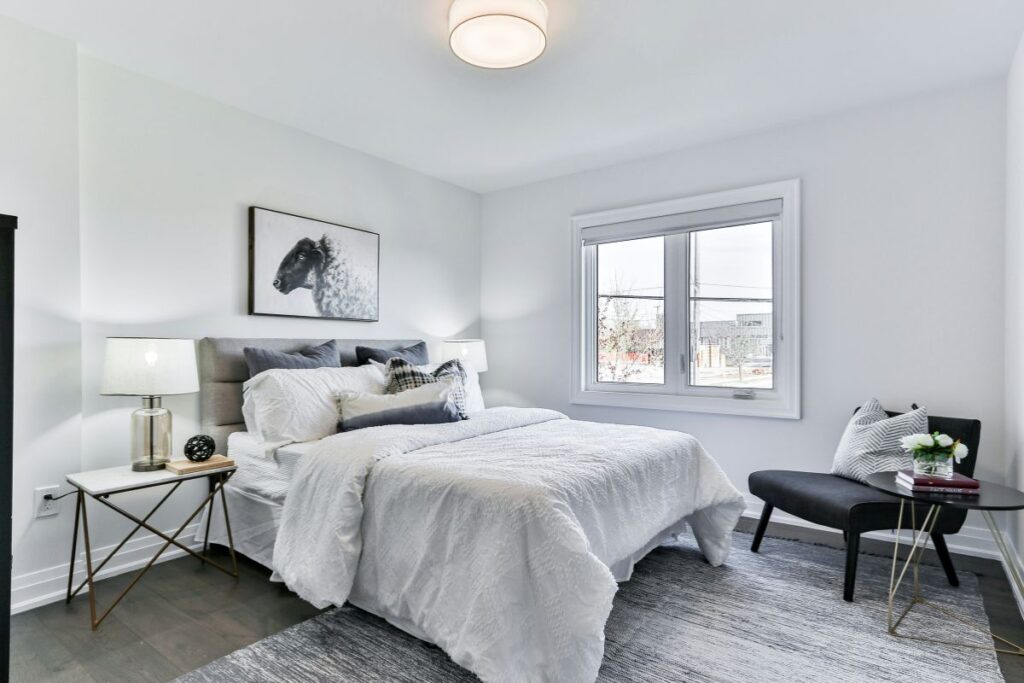
Bedrooms benefit from a slightly different approach to temperature and airflow. A room that is too warm can make it harder to sleep comfortably, particularly during summer.
Using breathable bedding, keeping curtains closed during the hottest part of the day and allowing the room to cool before bedtime can all help.
In colder weather, good insulation and suitable heating controls can make it easier to maintain a comfortable temperature without overheating the room.
Create Comfortable Living Spaces
Living rooms are often multifunctional spaces where temperature preferences can vary throughout the day. Flexible climate control can make it easier to accommodate different activities, whether you are relaxing, working or entertaining guests.
Furniture placement can also influence airflow. Avoid positioning large pieces directly in front of vents or radiators, as this can restrict the distribution of heated or cooled air.
Small changes to the layout can sometimes improve comfort without requiring any major investment.
Think About Energy Efficiency
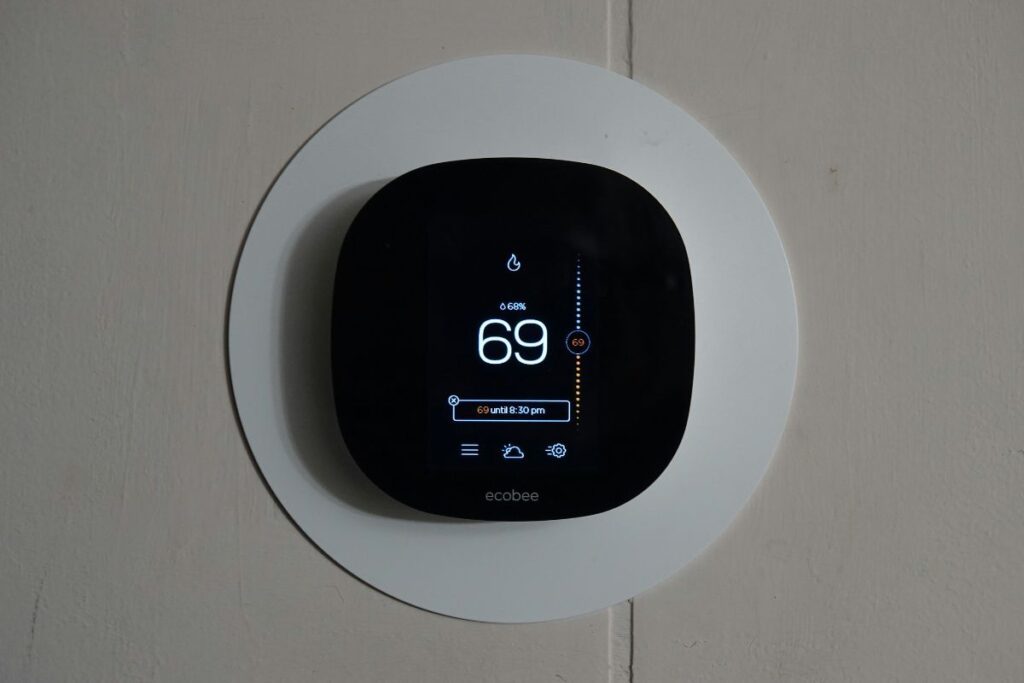
Comfort and energy efficiency do not have to work against each other. In fact, improving insulation, maintaining heating and cooling equipment and using smart controls can help achieve both.
Programmable thermostats and timers can reduce unnecessary energy use by adjusting temperatures when rooms are occupied. Zoning can also be useful in larger properties, allowing different areas to be managed according to individual needs.
The most effective approach is to understand how your home responds to changes in temperature and make adjustments accordingly.
Build a Comfortable Home for Every Season
A comfortable home should work throughout the year rather than only during periods of mild weather. Good insulation, effective ventilation, suitable window coverings and properly maintained heating and cooling systems can all contribute to a more pleasant indoor environment.
Rather than relying on one solution, consider how different improvements can work together. With a little planning and regular maintenance, it is possible to create a home that feels welcoming, balanced and comfortable whatever the weather brings.
Images courtesy of pexels.com and unsplash.com. Feature image supplied










1 thought on “Simple Ways to Create a More Comfortable Home All Year Round”
Comments are closed.