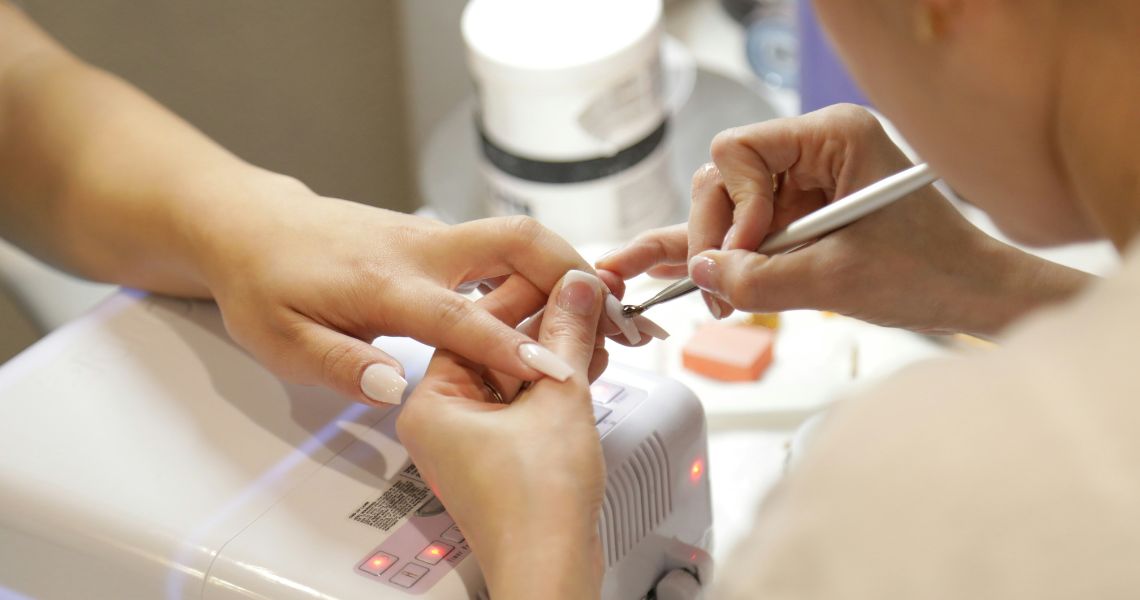
In recent years, aesthetic medicine has undergone a significant transformation. The days of obvious cosmetic enhancements and overdone appearances are gradually giving way to a more refined approach that focuses on subtle improvements rather than dramatic changes. Today’s patients are increasingly seeking treatments that help them look refreshed, well-rested and confident, without making it obvious that they have had a cosmetic procedure.
This growing preference for natural-looking results reflects a wider shift in attitudes towards beauty. Rather than chasing perfection, many people now prioritise healthy skin, balanced facial features and graceful ageing. Understanding this trend can help anyone considering cosmetic aesthetic treatments make more informed decisions.
Why Natural Results Are Becoming the New Standard

Social media and celebrity culture once encouraged exaggerated cosmetic enhancements, but consumer preferences have evolved considerably. Patients are now more informed and often research treatments extensively before booking a consultation.
Many people want to maintain their unique facial expressions while reducing visible signs of ageing. Instead of changing how they look, they simply want to appear like the best version of themselves.
This change has encouraged practitioners to adopt more personalised treatment plans that focus on facial harmony rather than isolated features.
The Importance of Choosing the Right Practitioner
Achieving subtle, natural-looking results depends not only on the treatment itself but also on the experience and clinical judgement of the practitioner.
For those considering anti-wrinkle treatment by Nurse Hannah Clinic, or any comparable aesthetic procedure, choosing a medically qualified professional who understands facial anatomy is essential. A thorough consultation, personalised assessment and conservative approach often contribute far more to successful outcomes than the treatment alone.
Patients should never feel pressured into having more treatment than necessary, and reputable practitioners will always discuss realistic expectations before proceeding.
Understanding Modern Anti-Wrinkle Treatments
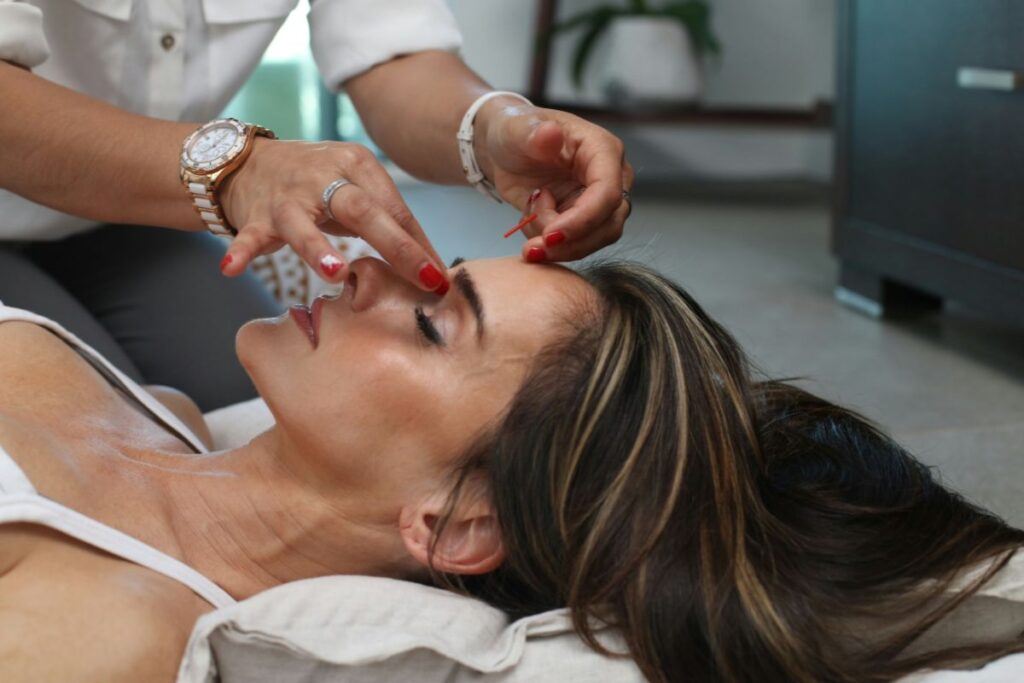
Anti-wrinkle injections remain one of the most popular non-surgical cosmetic procedures in the UK. However, treatment techniques have changed significantly over the past decade.
Modern approaches typically focus on:
- Softening expression lines rather than freezing movement
- Preserving natural facial expressions
- Creating balanced facial proportions
- Preventing deeper wrinkles from developing
- Delivering subtle, age-appropriate improvements
The goal is often for friends and colleagues to notice that someone looks refreshed, without being able to identify exactly why.
A Personalised Approach Makes All the Difference
No two faces age in exactly the same way. Genetics, lifestyle, sun exposure and skincare habits all influence how wrinkles and volume loss develop over time.
Because of this, experienced practitioners usually create tailored treatment plans rather than following a one-size-fits-all approach.
During a consultation, they may assess:
- Facial muscle movement
- Skin quality
- Existing wrinkles
- Overall facial balance
- Individual aesthetic goals
This personalised assessment helps ensure that treatment enhances natural features rather than altering them.
Prevention Is Becoming More Popular
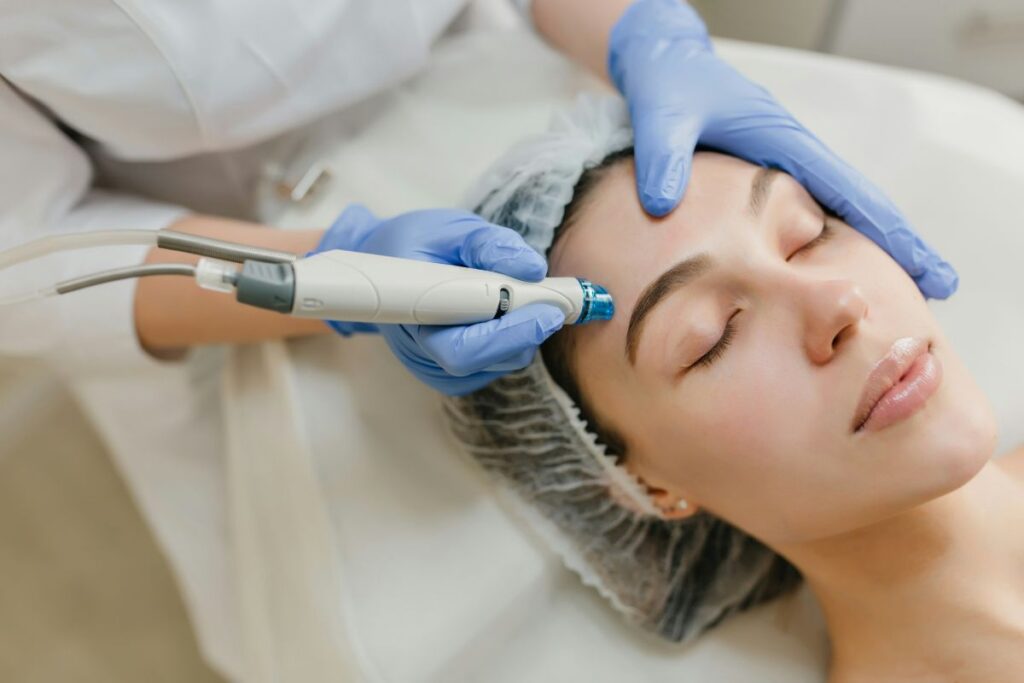
Many younger adults are now choosing aesthetic treatments before deep lines become established. This preventative approach aims to reduce repetitive muscle movement that contributes to wrinkle formation over time.
Preventative treatments are generally more conservative and involve smaller amounts of product than corrective procedures.
While they may not be suitable for everyone, they reflect the growing emphasis on maintaining a youthful appearance rather than reversing advanced signs of ageing.
Healthy Skin Remains the Foundation
Cosmetic treatments work best when combined with a good skincare routine. Healthy, well-maintained skin often requires fewer aesthetic interventions and generally produces more natural-looking results.
Patients are increasingly combining professional treatments with healthy daily habits, including:
- Wearing sunscreen every day
- Using quality moisturisers
- Staying hydrated
- Following a consistent skincare routine
- Maintaining a balanced diet
- Avoiding excessive smoking and alcohol consumption
Good skincare supports long-term skin health while helping treatment results look their best.
Setting Realistic Expectations
One of the most important aspects of any cosmetic treatment is understanding what it can and cannot achieve.
Aesthetic procedures can soften signs of ageing and enhance confidence, but they cannot completely stop the natural ageing process. Patients who have realistic expectations are often the most satisfied with their results.
Open communication during the consultation allows both practitioner and patient to agree on achievable goals before treatment begins.
Safety Should Always Come First

Although non-surgical aesthetic treatments are widely available, they remain medical procedures and should always be approached responsibly.
Before proceeding, patients should ensure that:
- The practitioner is appropriately qualified.
- A full medical consultation is completed.
- Risks and possible side effects are clearly explained.
- Appropriate aftercare guidance is provided.
- Follow-up appointments are available if required.
Taking the time to choose a reputable provider significantly reduces the likelihood of complications and contributes to better overall outcomes.
Conclusion
The growing popularity of natural-looking aesthetic treatments reflects a broader shift towards subtle enhancement rather than dramatic transformation. Today’s patients are looking for refreshed, confident appearances that preserve their individuality and natural expressions. By choosing a qualified practitioner, maintaining realistic expectations and prioritising overall skin health, individuals can make informed decisions that support both their appearance and long-term wellbeing.
Images courtesy of freepix.com, unsplash.com and pexels.com