Money does not drift towards clean energy ventures out of goodwill. It moves when a business looks sharp, disciplined and hard to ignore. Founders often speak as if carbon reduction alone should unlock capital. It won’t. Investors back returns, timing and teams that can survive ugly markets. Climate ambition matters, yet ambition without proof is theatre. Show a business that solves a costly problem, show a route to scale, show command of risk, then show why this moment matters now. Capital respects clarity. It respects nerves.
- Prove the Economics
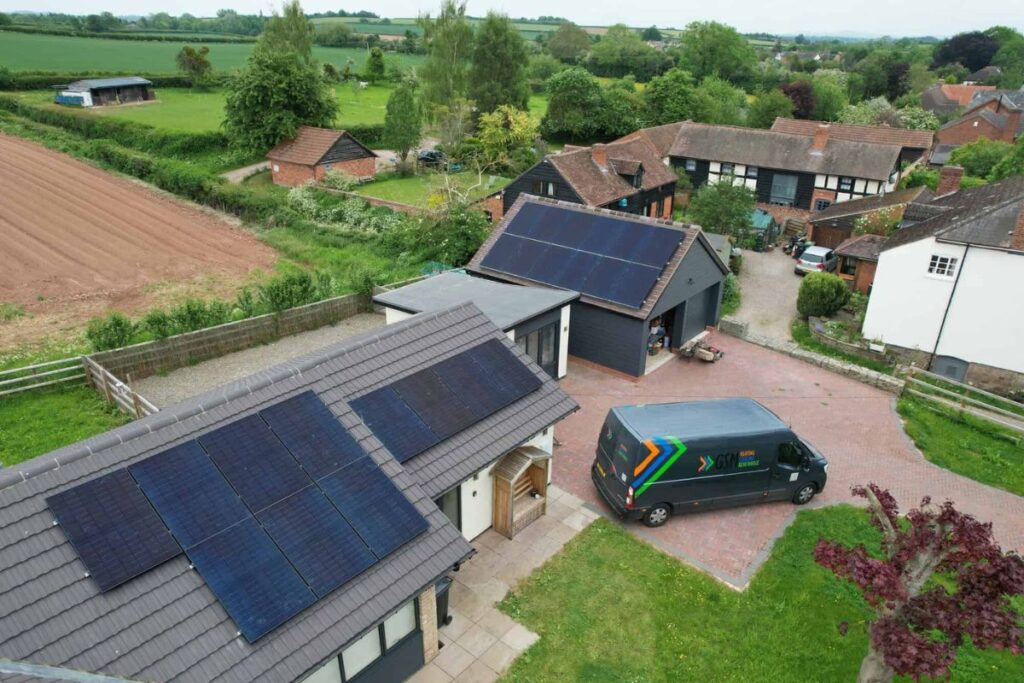
A professional solar-focused renewable energy company can’t rely on a noble mission and a polished pitch deck. In customer reviews, people want concrete numbers that match results—such as prompt, professional service and the successful installation of a 4.1kWh solar PV system with battery storage. If the installation cuts electricity costs, quantify the savings precisely; if the system supports grid stability, express that value clearly in pounds and pence. Vagueness reduces confidence, and customers expect clarity on what is improving as the service expands—whether the process becomes more efficient or support leads to more reliable, repeat outcomes. Evidence is what earns trust.
- Tame the Risk Story
Every investor scans for danger first. That habit is survival. Energy startups face technical, policy, supply chain, and adoption risks. The smartest founders bring those risks into the light and address them. with them directly. If a product depends on a rare component, line up alternatives. If revenue depends on subsidy support, show a version of the model that still works when ministers change their minds. Politics can turn fast. A serious business plans for that. Risk management is not a gloomy appendix. It is a sales tool.
- Build Traction Early
Investors love a story, though they trust movement more than rhetoric. Early traction does not need to look enormous. It needs to look real. Pilot projects with measurable outcomes matter. Letters of intent are helpful when they come from credible buyers. Repeat customers matter even more. Commerce rewards proof that someone will pay, then pay again. A startup selling batteries, heat pumps, software for energy management or new financing models should gather signals that demand already exists. Noise on social media means almost nothing. A shorter sales cycle and rising retention catch attention.
- Recruit a Steady Team
Brilliant technology can still die in the hands of an unbalanced team. Investors know these facts. A founder with great technical skill but no commercial operator beside them raises questions. A sales-heavy team with no engineering weight raises different questions. The point is not to collect impressive biographies. The point is to create confidence that the company can execute under pressure. Energy markets are messy. Projects slip. Regulation changes. Hardware fails. Customers hesitate. A strong team absorbs shocks and keeps moving. Advisors can help, though active credibility matters. People who have built, sold or financed something close to the current challenge.
Conclusion
Capital in clean energy is available, though it does not reward wishful thinking. Investors back ventures that make the commercial case feel unavoidable. Strong economics, open risk management, visible traction, and a team with heft are the four moves that make the commercial case feel unavoidable. Those four moves sound simple because they are simple. Simple does not mean easy. It means there is nowhere to hide. This sector sits at the junction of engineering, politics and finance. Startups that accept that fact and prepare for it stand apart quickly. The market does not need prettier promises. It needs founders who can turn complexity into confidence.
Image attributed to Pexels.com