Mindfulness techniques can help create a greater sense of calm and balance. Mindfulness involves paying attention to the present moment without judgement. Regular practice can reduce tension, improve focus and support emotional wellbeing.
The activities below – meditation, journaling, breathing exercises and mindful walking – can all help make daily stress more manageable.
Meditation
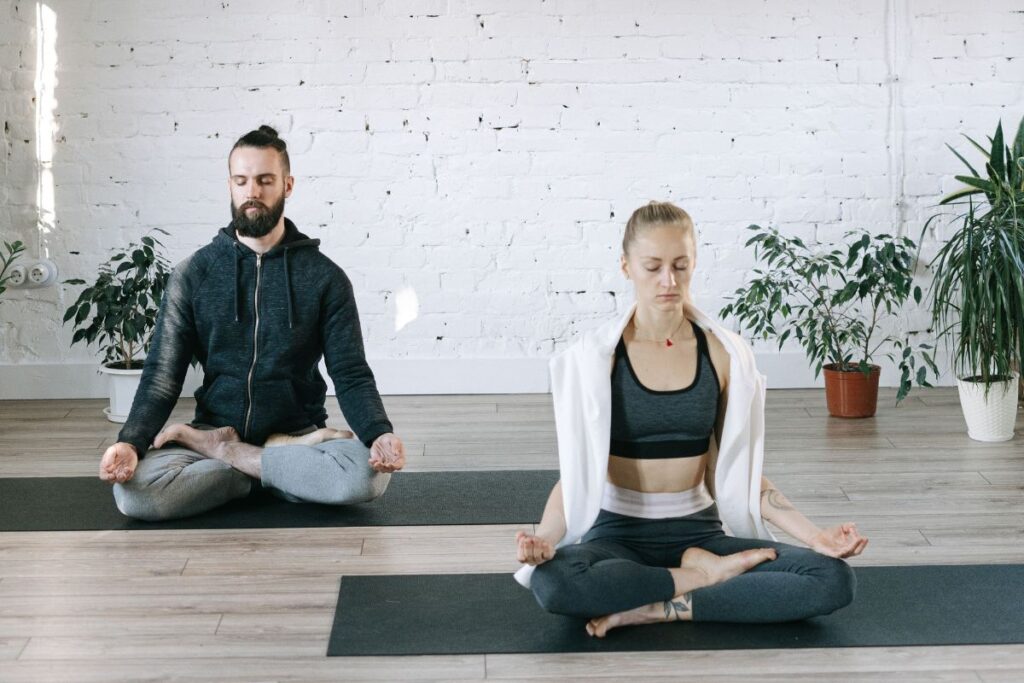
Meditation is about setting aside time to focus your attention – many people focus on their breath; others use a mantra (repeated phrase) or the sounds around them. Even a few minutes each day can help quiet a busy mind.
Research has shown that meditation can lower stress levels and improve emotional regulation (e.g. a 2017 review of 45 studies concluded that meditation “leads to decreased physiological markets of stress in a range of populations”).
During meditation, thoughts will naturally arise, but the idea isn’t that you should be able to stop thinking completely. Instead, you learn to notice thoughts and let them go, without getting caught up in them.
Many people find guided meditation useful when starting out. Apps, YouTube videos, and podcasts are widely available. Keep it manageable when you’re starting: a daily ten-minute session is more effective than an hour-long practice once in a blue moon.
Journaling
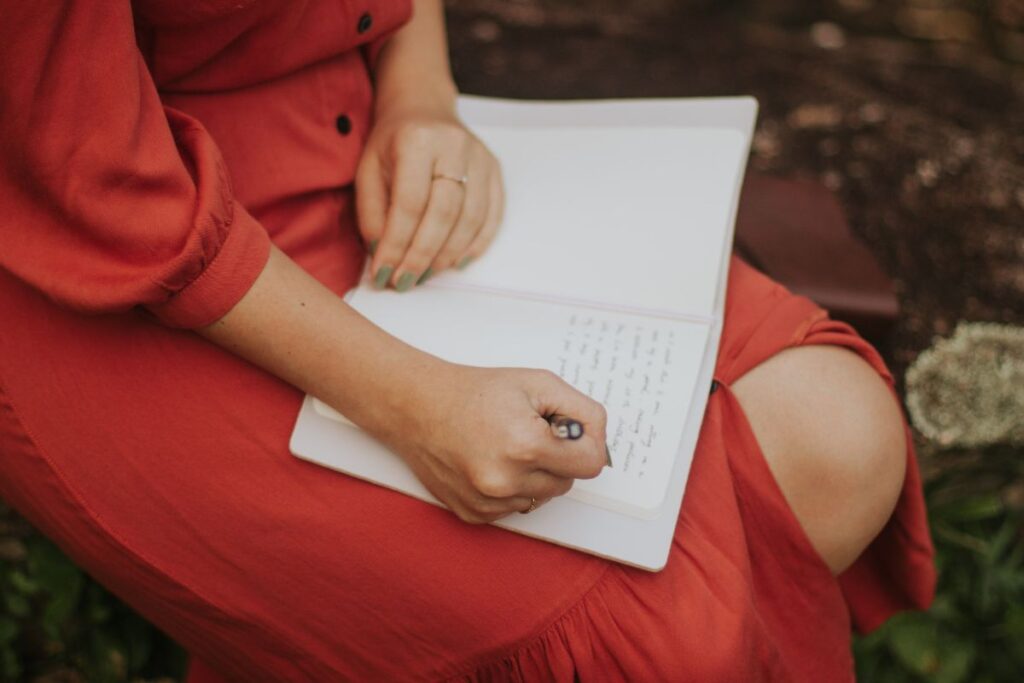
Writing down thoughts and feelings can be a good way to manage stress. Journaling creates space to process worries rather than carrying them throughout the day. It can also help identify patterns, triggers and worries that keep cropping up.
Some people prefer writing freely about their experiences; others use prompts to explore specific topics. The act of getting thoughts off your chest and onto paper can make problems feel more manageable and less overwhelming.
Regular journaling can also improve self-awareness and encourage reflection. By reviewing previous entries, it may get easier to recognise progress and develop healthier responses to stressful situations.
Gratitude journaling
Gratitude journaling is a variation of traditional journaling that focuses on positive experiences. The practice involves regularly writing down things that make you grateful, no matter how small those things may seem.
Possible examples: a walk with a friend or family you had that day, a good meal, a fun time with a pet, a treasured memory of a holiday, the first time you met your loved one, etc. Focusing on these experiences can help shift attention away from constant worries and towards aspects of life that are going well or that you’re grateful to have experienced.
This doesn’t mean ignoring difficulties. But gratitude journaling encourages a more balanced perspective. Over time, many people find it helps improve mood and build resilience during stressful periods.
There are science-backed benefits. Studies have shown that practicing gratitude can ease anxiety and depression, and improve mood. It may also reduce inflammation, reduce the risks associated with heart failure, and improve sleep (see the Healthline article “How to Start a Gratitude Practice”).
Breathing exercises
Breathing exercises are among the quickest mindfulness techniques to use during stressful moments. Stress often causes breathing to become shallow and rapid, which can increase feelings of anxiety.
Slow, controlled breathing helps activate the body’s relaxation (parasympathetic) response. One simple method is to inhale through the nose for four counts, hold briefly, then exhale slowly through the mouth for six counts. Repeating this cycle for a few minutes can help reduce physical tension and build a sense of calm.
You may also try the 4-7-8 technique: breathe in for four, hold your breath for seven, and exhale for an eight count.
Because breathing exercises require no equipment and very little time, they can be practised almost anywhere, including at work, at home or while travelling.
If you find that even mindful, slower breathing does not help regulate feelings of stress, and that stress is affecting your daily life, professional support may be valuable. Services such as Anytime Doctor provide access to qualified, UK-based doctors and healthcare professionals online, offering convenient support and advice without the need for an in-person appointment. Their service is regulated by the Care Quality Commission and allows patients to seek medical guidance from home.
Walking meditation
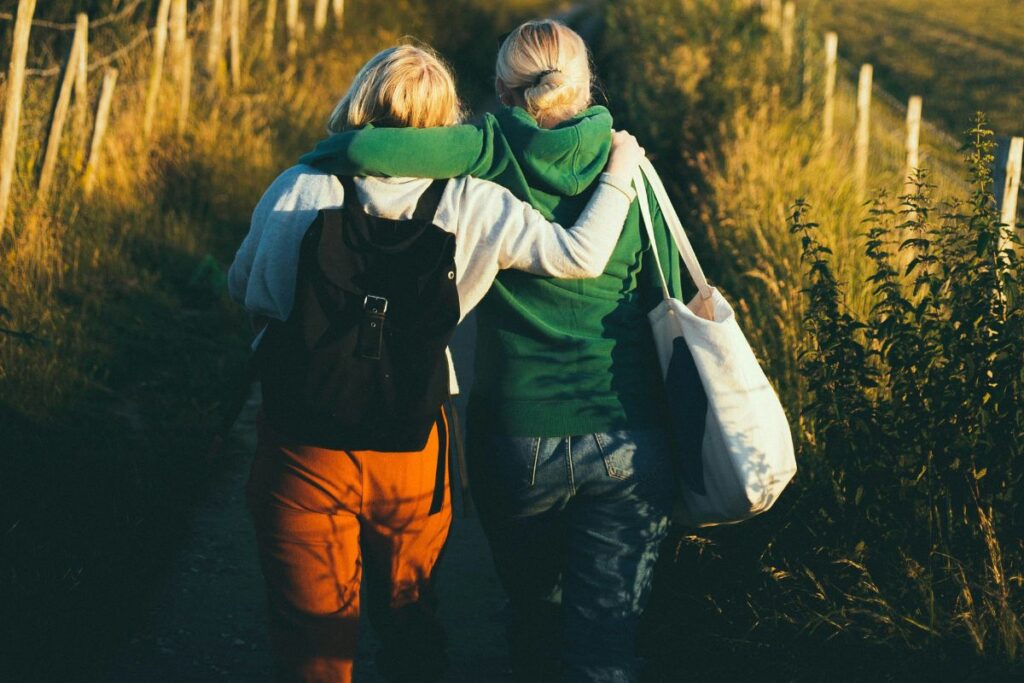
As Susan M. Pollak MTS, Ed.D. has noted, many people find walking meditation more accessible than a traditional sitting cross-legged meditation.
Walking meditation combines physical movement with mindful awareness. The practice has deep roots in Buddhist traditions and is often used by Buddhist monks as part of their daily routines. Rather than walking to reach a destination, the focus is placed on each step, the movement of the body and the sensations of the surrounding environment.
Practitioners pay attention to the feeling of their feet touching the ground and the rhythm of their breathing. The awareness helps anchor attention in the present moment.
Walking meditation offers many of the same benefits as other types of meditation, while also incorporating gentle physical activity. Whether you practise in a garden, park or a quiet room indoors, it can provide a break from daily pressures and help restore a sense of calm.
Images courtesy of unsplash.com and pexels.com