Here is a question many business owners have not thought to ask. When was the last time you personally scrolled through ten blue links on Google to find something?
If you are honest, it has been a while. You asked ChatGPT, Gemini, Claude. You read the answer it gave and trusted it, yet never visited a single website in the process. Millions of people now do this every day, and it is rewriting the rules of how a business gets found. Most websites have not been told, or are adding a sticking plaster to an amputated limb.
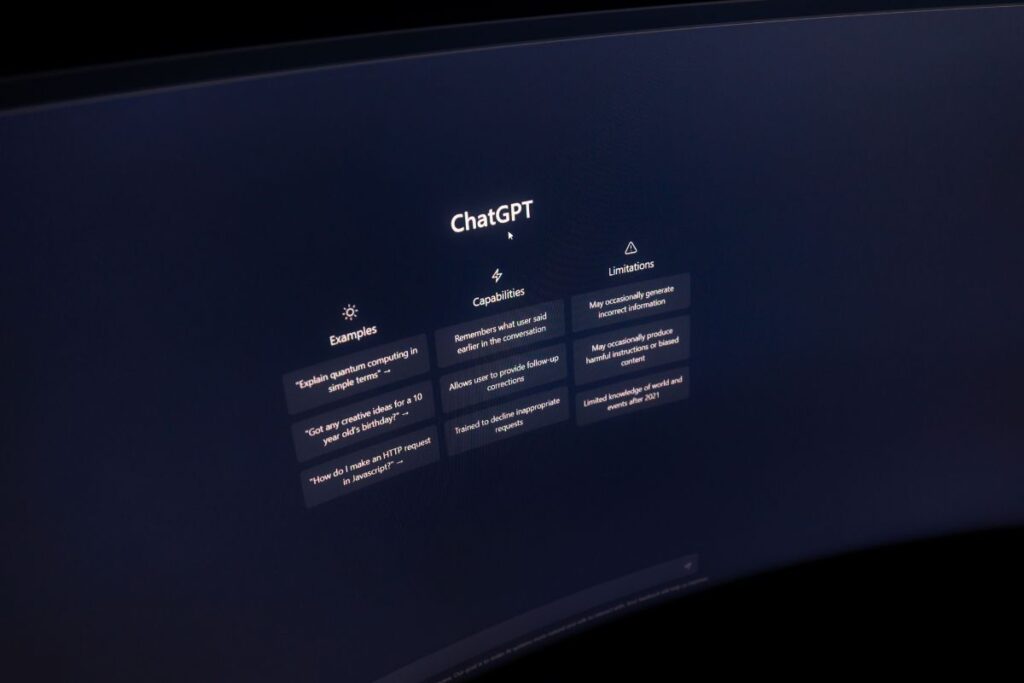
There is an emerging name for the discipline that deals with this and it is called SAIO, Search Artificial Intelligence Optimisation. It concerns itself with a simple, awkward problem. Your website was built to be found by a search engine, but it was not built to be quoted by a machine that answers the question before anyone clicks anything.
SEO and SAIO are not the same job. This is the part that catches people out.
For twenty years, search engine optimisation meant climbing a list. Rank higher and get more clicks to ultimately win. The whole industry organised itself around that ladder. But when someone asks ChatGPT or gets a Google AI overview in answer to a question, there is no ladder. There is one answer, assembled from sources the machine considers “trustworthy”, and either you are cited in it or you do not exist. No second page to sit on. No slow climb. You are there, or you are invisible.
So how does a machine decide who to quote? Well, that is the whole game, and it is not the game most SEO agencies are playing.
It turns out the AI systems are not really looking for the site that ranks highest. They are looking for the source that answers a question clearly, carries genuine authority, and is structured in a way that a machine can actually read and trust. Being loud does not help. Being useful does. A small business that genuinely answers a real question well can be surfaced ahead of a giant that merely ranks, which is a refreshing reversal of the old order that almost nobody has adjusted to yet.
Will this replace normal search? Not entirely. People will still Google. But you will likely agree that the direction of travel is not up for argument, and the businesses paying attention now are the ones planting a flag while the ground is still soft.
Here is the uncomfortable bit for anyone currently paying for SEO: the colourful monthly report showing your rankings creeping up may be measuring a race that fewer people are running. Rankings and revenue used to be close cousins but they are now drifting apart. You can be putting your name at the top of a list while the actual customer, the one who asked an AI instead, never came anywhere near it.

None of this is a reason to panic though, it is a reason to ask a better question of whoever handles your website. Not “where do we rank” but “when someone asks an AI about what we do, does our answer show up, and if not, why not?”
Most cannot answer that yet. The ones who can are the ones worth listening to.
The behaviour has already changed and your customers were re-routed down a different path. The only real question is whether your business is going to follow them, or keep working, diligently, for a shop window where fewer and fewer people walk past.
Images courtesy of unsplash.com and pexels.com