Pizza has always been one of the world’s favourite comfort foods, but customer expectations have changed dramatically. Diners no longer want to choose between convenience and quality. They expect both. They are looking for better ingredients, more exciting flavours, faster service and memorable experiences that make them want to return.
For restaurants, cafés and takeaway businesses, keeping up with these expectations isn’t about reinventing pizza. It’s about recognising what today’s customers value most and building a menu that reflects it.
It Starts With Better Foundations
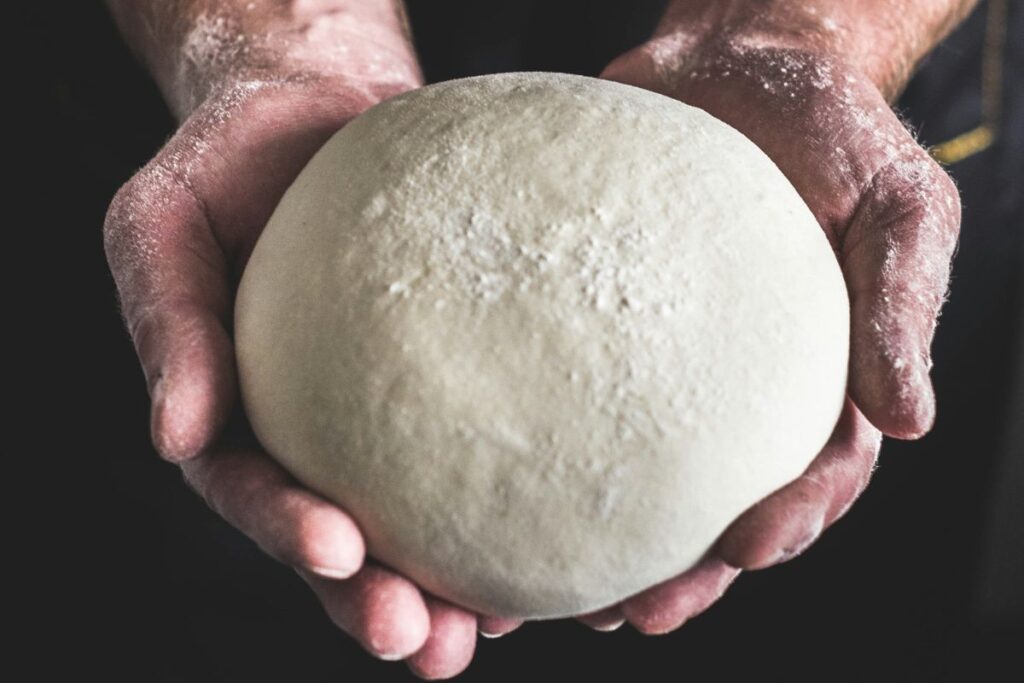
No matter how creative the toppings are, customers notice when the base falls short. A light, airy dough with great texture can transform an ordinary pizza into something people remember.
Using quality ingredients from the very beginning is essential, which is why many food businesses rely on trusted suppliers of wholesale dough balls. Consistent dough not only improves the finished product but also makes kitchen operations more efficient, helping chefs produce reliable results during even the busiest services.
Customers Want More Choice Without More Confusion
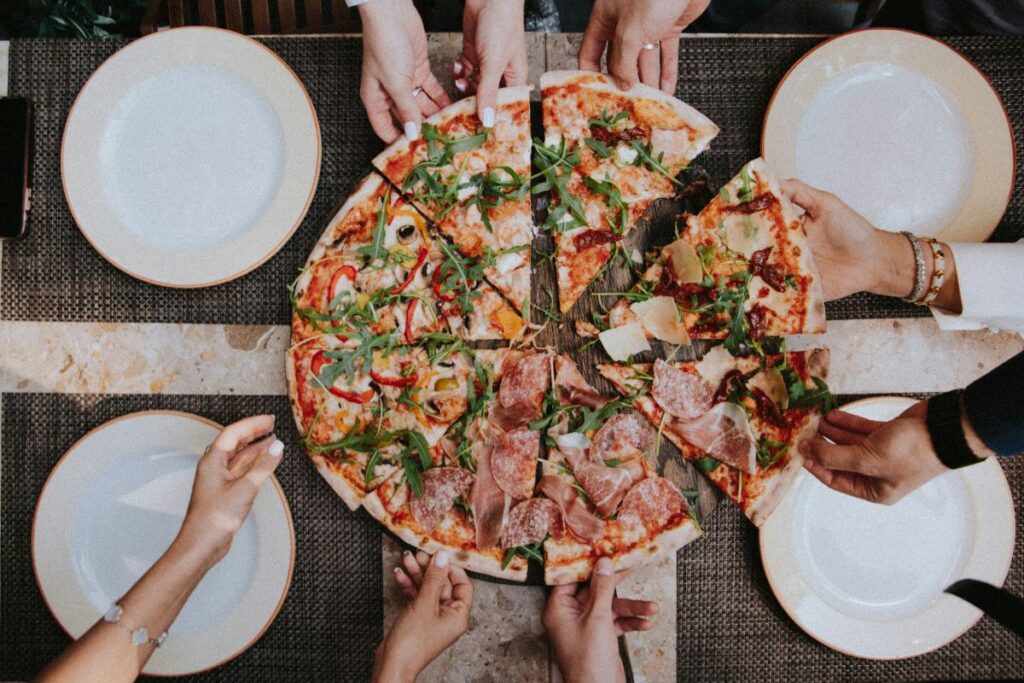
Offering dozens of pizzas isn’t necessarily the answer. Instead, successful operators create menus that provide variety while remaining easy to navigate.
Regional styles, different crust options, vegetarian and vegan choices, and a handful of seasonal specials allow customers to personalise their order without feeling overwhelmed. Industry surveys also show growing interest in offering multiple pizza styles rather than relying on a single format.
Premium Doesn’t Always Mean Complicated
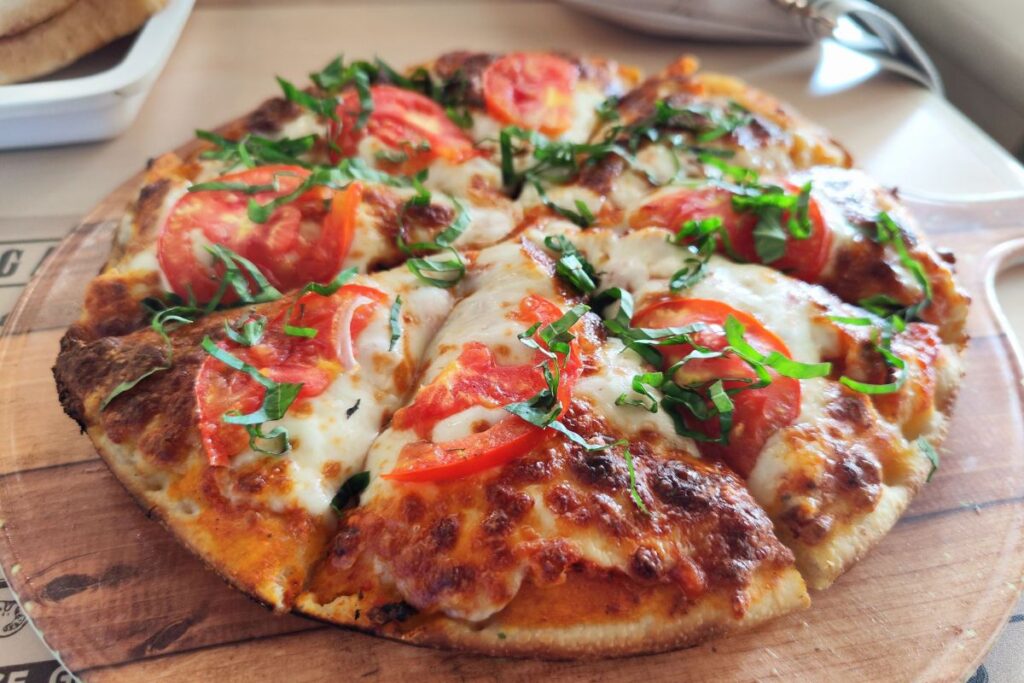
Today’s diners are increasingly willing to pay a little more for food that feels thoughtfully prepared. Simple ingredients used well often outperform overloaded pizzas with endless toppings.
Fresh mozzarella, roasted vegetables, artisan cured meats, quality olive oil, and house-made sauces all create a premium feel without making kitchen operations unnecessarily complex. The emphasis has shifted towards ingredient quality rather than quantity.
Bold Flavours Continue to Win Attention
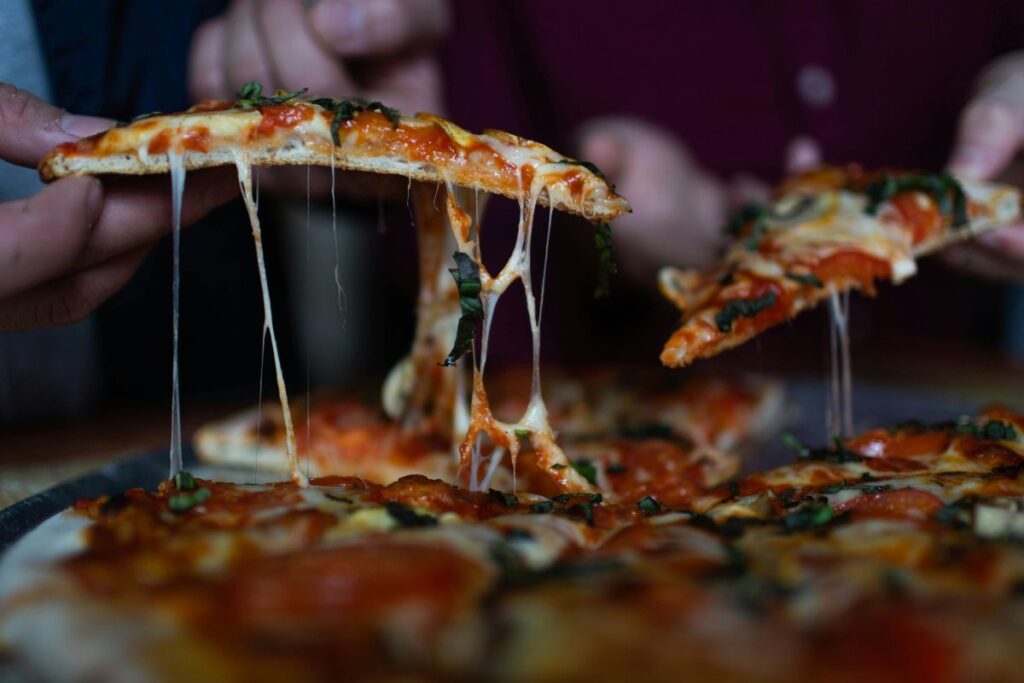
Classic favourites will always have a place on the menu, but many customers are becoming more adventurous.
Global influences such as hot honey, Korean-inspired toppings, spicy Mediterranean flavours and sweet-and-spicy combinations are becoming increasingly popular alongside traditional recipes. Restaurants are also experimenting with premium cheeses, fermented ingredients and regional flavour profiles to stand out from competitors.
Convenience Is Now Part of the Dining Experience
The quality of the food still matters most, but convenience has become a deciding factor when customers choose where to order.
Easy online ordering, accurate collection times, reliable delivery and clear menu descriptions all contribute to customer satisfaction. Many successful pizza businesses are investing in digital ordering systems alongside improvements to their food, recognising that convenience has become part of the overall product.
Consistency Builds Long-Term Loyalty
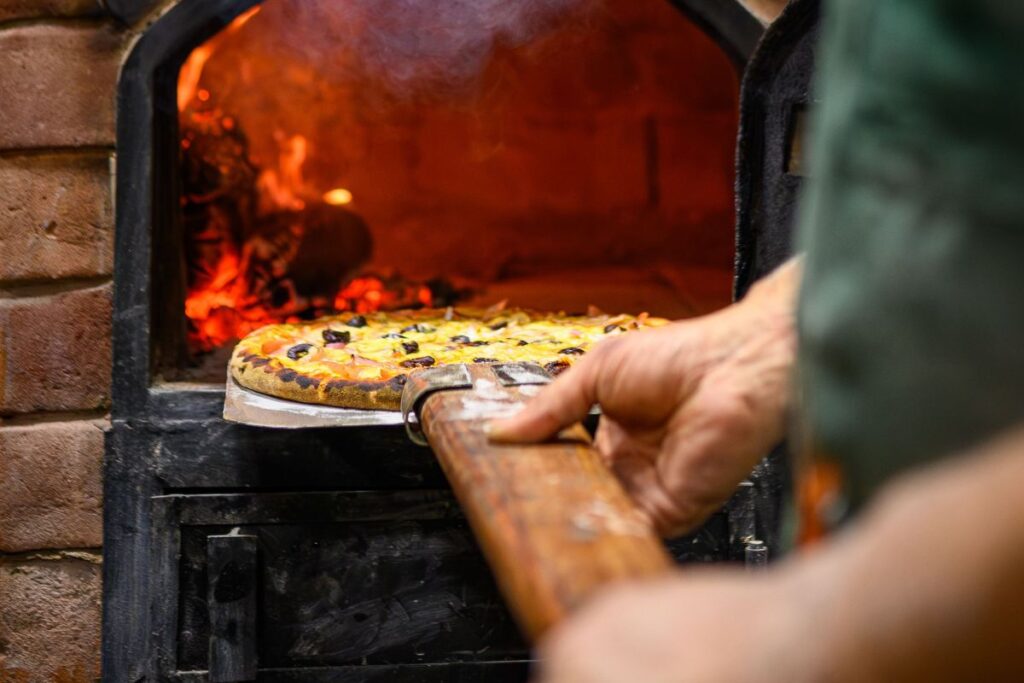
A customer who enjoys a fantastic pizza once may come back. A customer who receives the same excellent experience every time becomes a regular.
Consistency comes from dependable recipes, well-trained staff, efficient preparation methods, and reliable suppliers. Every element of the process should support the same end goal: delivering a pizza that meets expectations every single time.
Great Menus Continue to Evolve
The strongest pizza businesses never stop listening to their customers. They analyse sales, test new ideas, monitor food trends and refine their menus without losing sight of what made them successful in the first place.
As customer expectations continue to evolve, the businesses that thrive will be those willing to improve the details that diners notice most. Better ingredients, dependable preparation, thoughtful innovation, and a menu built around genuine customer preferences will always outperform one that simply follows the latest trend.
Images courtesy of unsplash.com and pexels.com