If your business has employees who are always on the go, keeping track of company vehicles can be a big job. Everything from picking the right cars to handling fuel costs and other expenses really affects your bottom line.
A well-run fleet doesn’t just save money; it makes things run smoother, keeps your employees safe, and helps your company look professional. By thinking strategically about your business travel rules, you can turn a major cost into something efficient and budget-friendly.
Understanding Business Travel Needs
Before you can even think about which vehicles to choose or what management tools to use, you need a clear picture of how your company travels. The first important step is figuring out exactly what you need. Do your employees mostly take short, frequent trips around town, or are they driving long distances on motorways? The answer will really guide your vehicle choices.

Think about a typical journey. A sales team covering a big rural area will need different things than a technical support team working in a busy city. You should also consider what your employees need to carry. Is a small boot enough, or do they need space for equipment, samples, or tools? Gathering all this information will give you a strong base for building a fleet that’s both efficient and practical.
Choosing the Right Vehicles
Once you know your travel needs, picking the right vehicles becomes much clearer. The best vehicle strikes a balance between being suitable for the job, reliable, and affordable in the long run.

Don’t just look at the price tag when you buy it. You also need to factor in insurance, tax, maintenance, and how much you can sell it for later. For example, electric or hybrid cars might cost more upfront, but they could save you a lot on fuel and tax over time, especially if your business is mainly in the city.
When you’re looking at options, check things like warranty periods and how often they need servicing. A reliable vehicle that spends less time in the garage for repairs is super valuable. It’s also smart to think about how to choose the right car for what the job demands. And don’t forget comfort and safety features; they’re important for keeping employees happy and well.
Fuel Efficiency on the Road
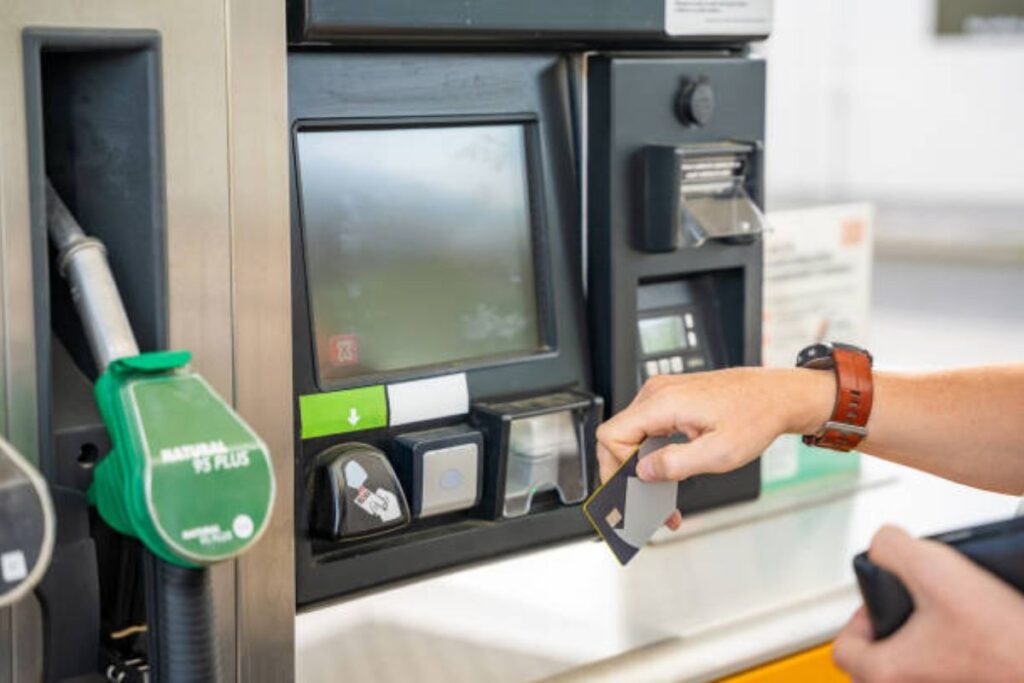
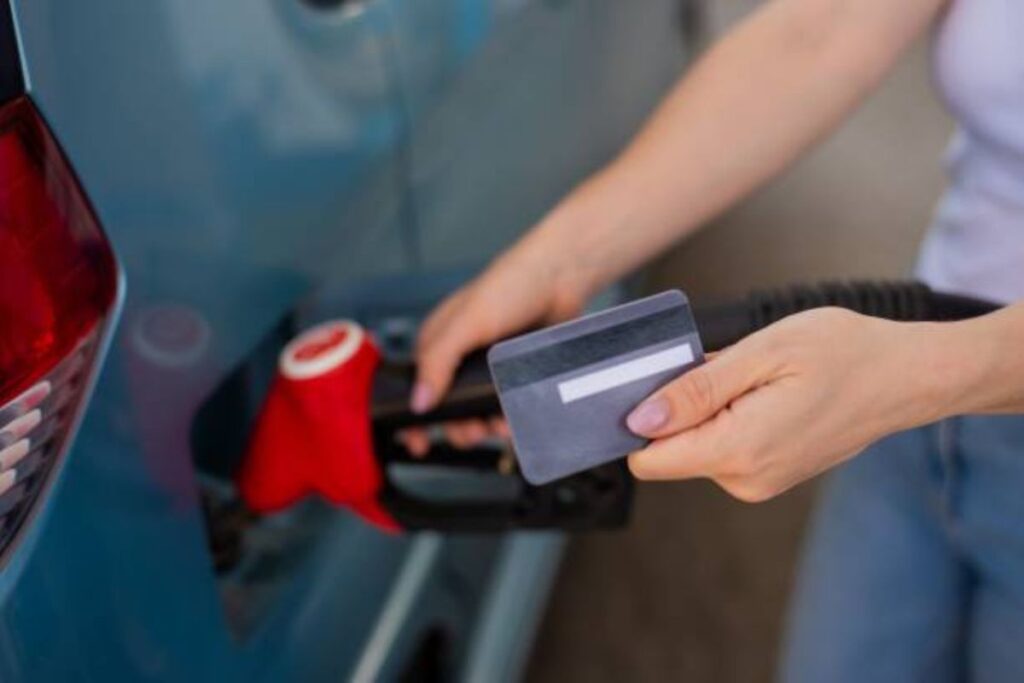
Fuel is one of the biggest ongoing costs for any vehicle fleet. While choosing fuel-efficient models is a great start, how you manage fuel use day-to-day is just as important. Setting up a fuel card system is a really effective way to keep an eye on and control these expenses. You can set specific limits on these cards to stop unauthorised purchases, and they give you detailed reports on where and when fuel is bought.
This data helps you spot anything unusual and find ways to save money. For instance, you might notice one driver uses a lot more fuel than others on a similar route, which could lead to a chat about driving habits or a vehicle check-up.
To find a system that works for your business size and needs, you can easily compare fleet fuel cards from different providers. This simple tool helps put all your billing in one place and means drivers don’t have to fill out paper expense forms for fuel, saving admin time.
Streamlining Expense Management

Besides fuel, business travel comes with lots of other costs, like parking, tolls, and occasional repairs. Keeping these expenses in check is key to staying on budget. A messy system of paper receipts and manual expense claims isn’t just slow; it’s also prone to mistakes and delays in getting people reimbursed. Modern expense management tools can really simplify all of this.
Many fuel card companies also let drivers pay for other vehicle-related things, like oil or screen wash. This brings all your spending onto one platform, giving you a complete overview of what each vehicle costs to run. By streamlining your expense management, you lighten the load for both your drivers and your finance team, letting everyone focus on their main tasks.
A well-managed fleet is more than just a bunch of company cars; it shows how efficient and professional your business is. By making smart choices about vehicles, fuel, and how you handle expenses, you can make sure your team stays on the road productively and without breaking the bank.
Images courtesy of unsplash.com and pexels.com