Moth watching is one of the easiest and most rewarding ways to connect with nature without leaving your garden. While butterflies often steal the spotlight during the day, moths reveal a hidden world after sunset, with thousands of fascinating species displaying remarkable colours, patterns, and behaviours.
Whether you have a large garden, a small patio, or even a balcony, getting started with moth watching is simpler than you might think.
Why Watch Moths?
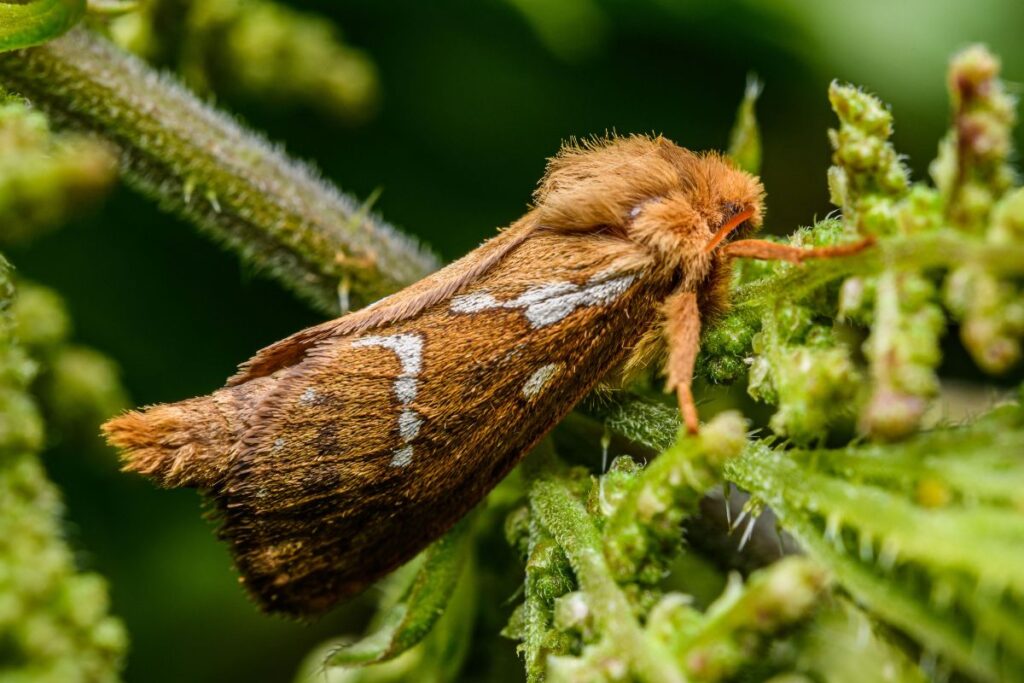
Moths play a vital role in local ecosystems. They are important pollinators, helping many flowering plants reproduce during the night when other pollinators are inactive. They also provide an essential food source for birds, bats, hedgehogs, and other wildlife.
Observing moths can also help you learn more about the health of your local environment. Changes in the variety and number of moths visiting your garden can provide valuable insights into seasonal changes and biodiversity. Best of all, moth watching offers a peaceful way to spend an evening while discovering wildlife that often goes unnoticed.
What You Need to Get Started
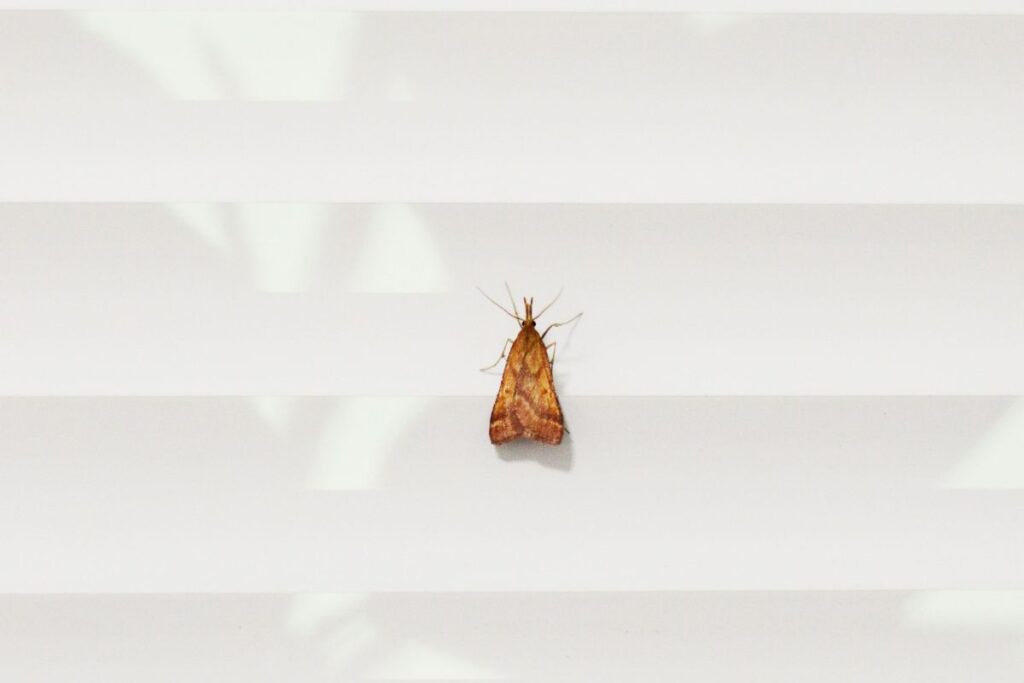
The beauty of moth watching is that you don’t need expensive equipment. A simple outdoor light and a white sheet hung against a fence or washing line can attract a surprising number of species on mild evenings.
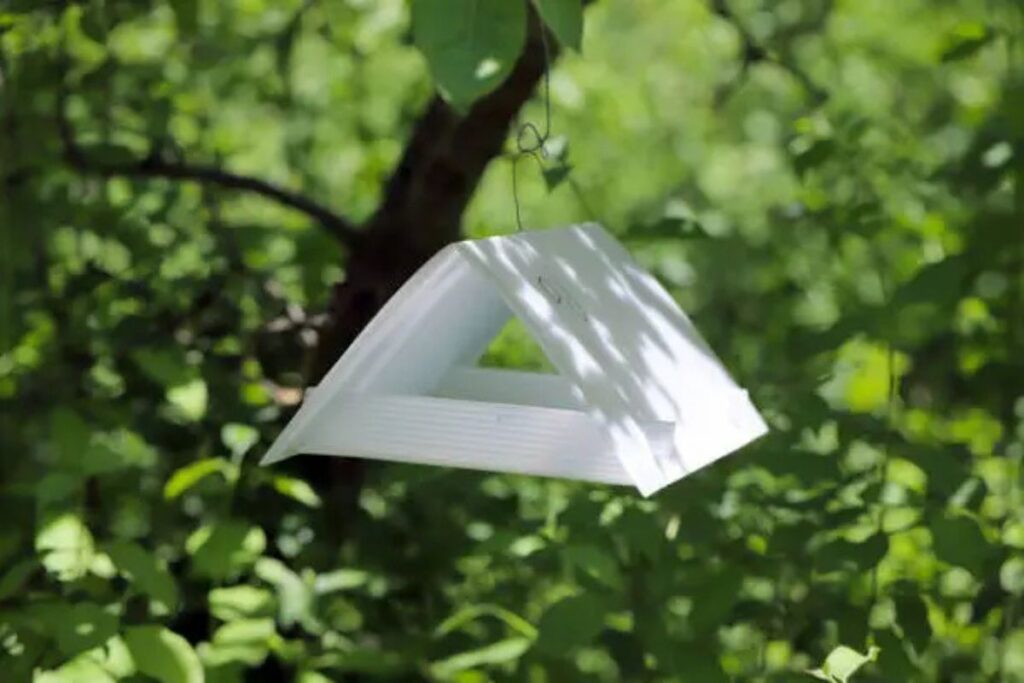
As your interest grows, you may decide to invest in specialist equipment such as moth traps, which are designed to safely attract and temporarily hold moths for identification before they are released unharmed.
You’ll also benefit from having a notebook or smartphone handy to record your sightings, along with a field guide to help identify different species.
Choosing the Best Time
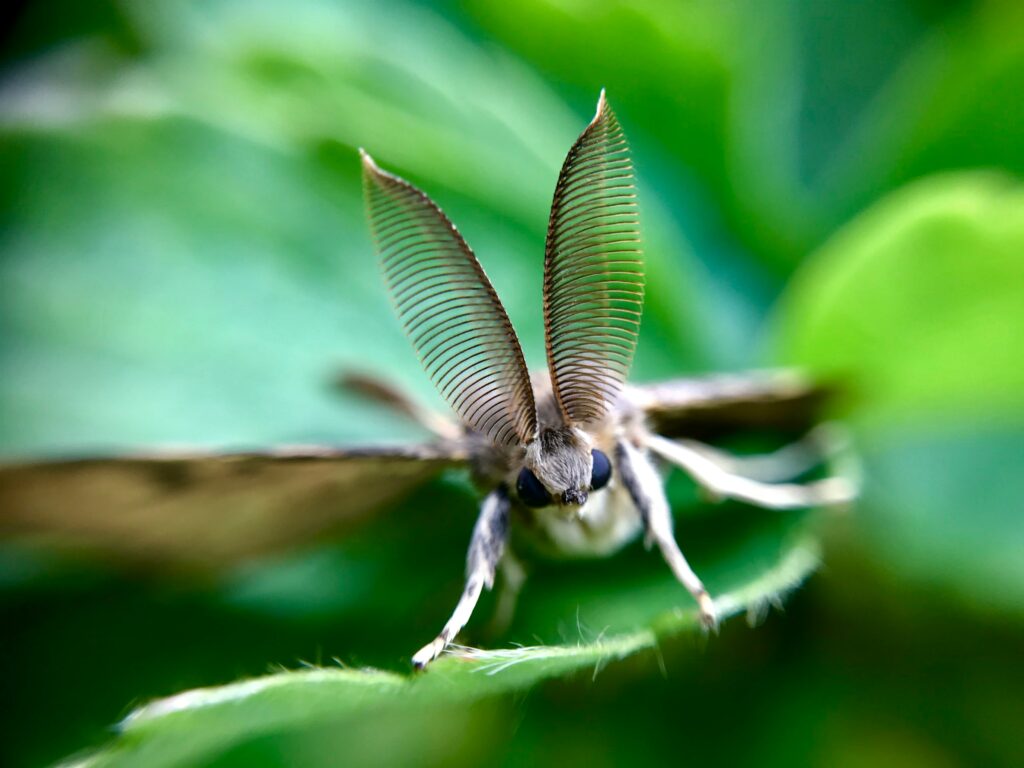
Warm, calm evenings between late spring and early autumn generally offer the best opportunities for moth watching. Moths tend to be most active after dusk, especially when temperatures remain mild throughout the night.
Cloudy nights can often produce better results than bright, moonlit evenings, as artificial lights are more attractive when there is less natural light competing for attention. If conditions are dry and there’s little wind, you’re likely to see a greater variety of visitors.
How to Observe Moths Responsibly
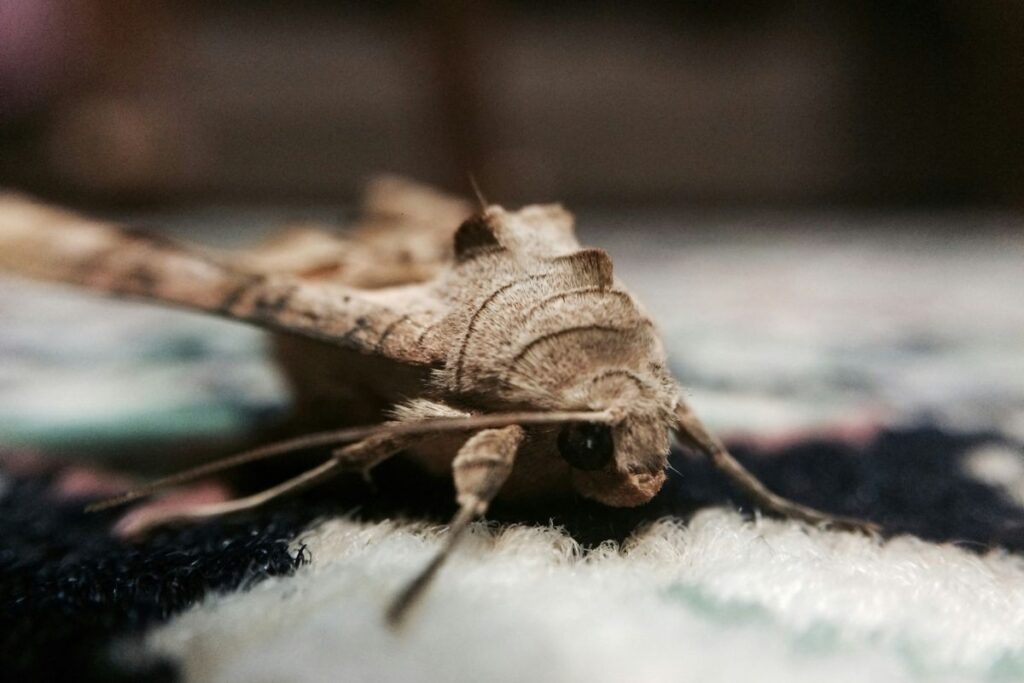
Respecting wildlife should always come first. If you’re using a light to attract moths, avoid handling them unless absolutely necessary. If you do need to move one for identification, handle it as gently as possible and release it where it was found.
Avoid leaving bright lights running all night unless you’re using equipment specifically designed for moth recording. Checking your setup early in the morning also helps ensure any moths can be released before temperatures rise and predators become more active.
Remember that the goal is observation rather than collection. Taking photographs is an excellent way to document your discoveries without disturbing the insects.
Identifying Your Finds
One of the most enjoyable aspects of moth watching is learning to recognise different species. Some moths are brightly coloured, while others rely on camouflage to blend into bark, leaves, or stone.
Start by focusing on larger, more distinctive species before moving on to smaller or more challenging groups. Comparing wing markings, body shape, and resting posture can all help narrow down an identification.
Over time, you’ll begin to notice seasonal patterns, with different species appearing throughout the year as their life cycles progress.
Turn Your Garden into a Wildlife Haven
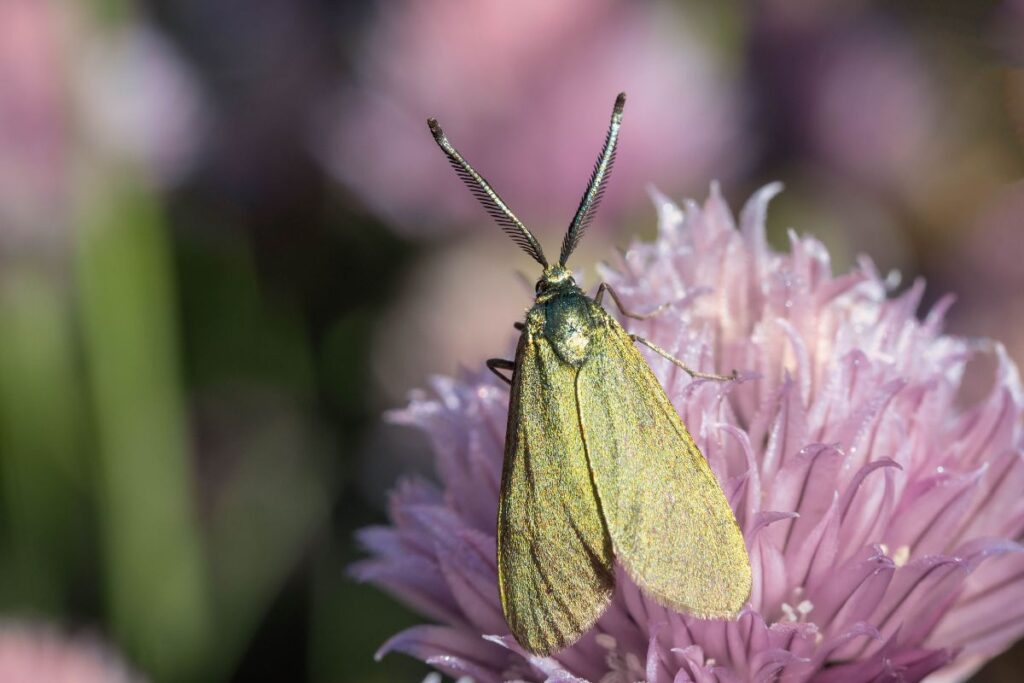
Creating a moth-friendly garden encourages even more species to visit. Planting native flowers, allowing small areas of longer grass to grow, and avoiding unnecessary pesticide use can all make a significant difference.
Shrubs, hedges, and flowering plants provide valuable food sources for caterpillars and adult moths alike, while also supporting a wide range of other beneficial insects.
Enjoy the Journey
Moth watching is a hobby that rewards patience and curiosity. Every evening offers something different, and even familiar gardens can reveal new surprises throughout the seasons. As your confidence grows, you’ll gain a greater appreciation for these remarkable nocturnal insects and the important role they play in supporting local wildlife. Before long, you’ll find yourself looking forward to every warm evening and wondering what fascinating species might appear next.
Images courtesy of unsplash.com and pexels.com