In a fast-paced world, our brains are constantly bombarded with information. New AI tools. Zoom meetings. Client emails. All this causes fatigue and mental exhaustion, which impacts productivity and concentration at work.
This is why it’s so important to take breaks and allow yourself to reset your brain. Here are some habits for when you can’t focus at work.
Master the “Micro-Habit” Reset
When you feel mentally jammed, it’s easy to fall into the habit of overexerting yourself and trying to push through it. However, what you really need is a break. A micro-habit reset, where you switch up your routine with some small daily habits, helps in many ways. For one, you feel a sense of accomplishment when you complete a small task you set yourself. When you keep up this habit, it tells your brain you are reliable.
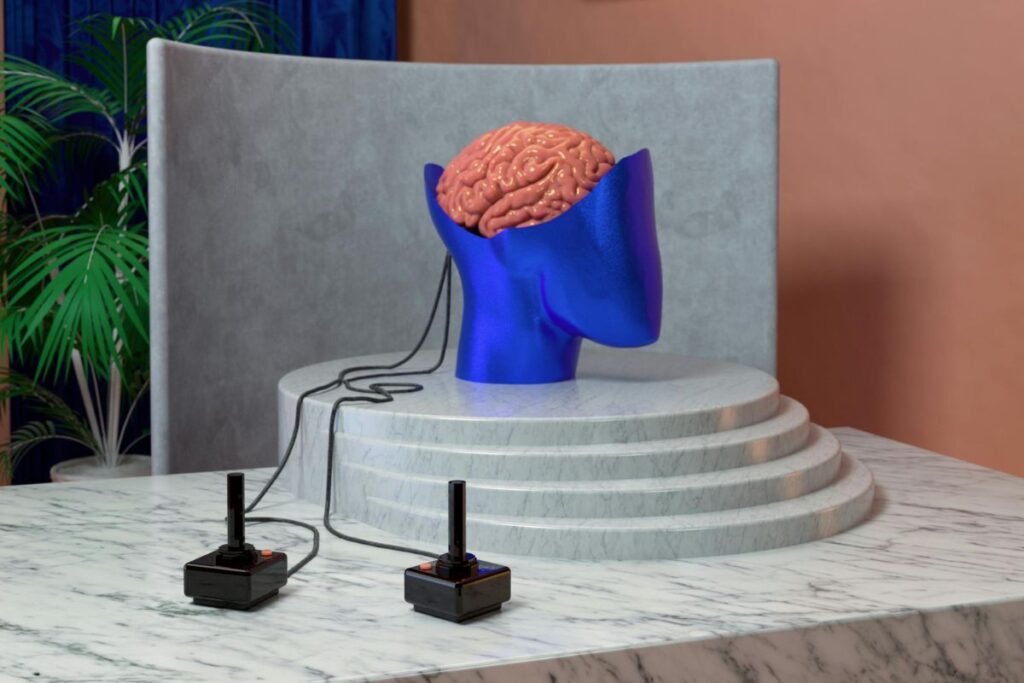
Choose something so small that you can complete it even on a flat day, then use it as a stepping stone. For example, if you’ve avoided a report, you might open the document and rename it clearly. Write one plain sentence that describes what the report needs to do.
That tiny move creates a visible change and reduces the sense of threat, which helps to reset your brain and stop treating the task like danger. Over a week, micro-habits also cut down on the mental effort of “gearing up”. You stop waiting to feel ready and start building readiness through repeatable starts.
Establish “Screen-Free” Tech Boundaries
Every glance at a notification pulls you out of the mental lane you just entered, and your brain then spends extra energy reloading context. Set a targeted, screen-free boundary. You might keep your phone in another room for the first 30 minutes, or you might avoid email until you’ve completed one meaningful piece of work.

This helps you stop feeding your brain tiny hits of novelty and give it a chance to settle. Even a short break from scrolling can make your thoughts feel less fragmented, so you return to work without the fuzzy irritation that comes from digital clutter. Create one daily screen-free pocket that lasts 20 minutes and protect it like a meeting.
Practice “Energy Management,” Not Just Time Management
Energy management means you match tasks to your actual capacity. If you feel sharp in the morning, you place the work that needs judgment there. Then, move the admin to a time when your focus naturally dips.

Many people work better in 60–90-minute blocks because attention tends to ebb after sustained effort. If you pair a block of focus with a deliberate recovery, you reduce the drained, wired feeling that fuels procrastination. This becomes especially useful during stressful periods, such as after an accident at work, when emotions and paperwork can tug attention in all directions and make concentration feel unreliable. Track your energy for two days by noting when you feel most alert, then schedule one demanding task into your best window.
Celebrate “Micro-Wins” to Combat Dread
Dread grows when progress stays invisible. Micro-wins help because they give your brain evidence that effort leads somewhere. This softens the fear that you’ll work all day and still feel behind. When you name those wins, you train yourself to spot movement instead of only noticing what’s unfinished.
Utilise Anonymous Support Systems

Sometimes you don’t need advice from someone who knows you; you need a low-pressure place to speak honestly. The fear of sounding dramatic, incapable, or “not coping” can stop you from reaching out. Anonymous support systems work in helping to reset your brain because they reduce the social worry that stops you from opening up. That might look like an employee assistance programme, an anonymous mental health chat line, a moderated forum, or a coaching service that allows privacy. The goal isn’t to offload everything; it’s to untangle the knot enough to take a useful next step.
Images courtesy of unsplash.com and pexels.com